
Introduction
Writing To Advocate for Children and Families
by Camille Cammack, UMass Amherst
In this WebQuest you will use internet resources to learn more about how to advocate, as an early childhood educator, for children and families.
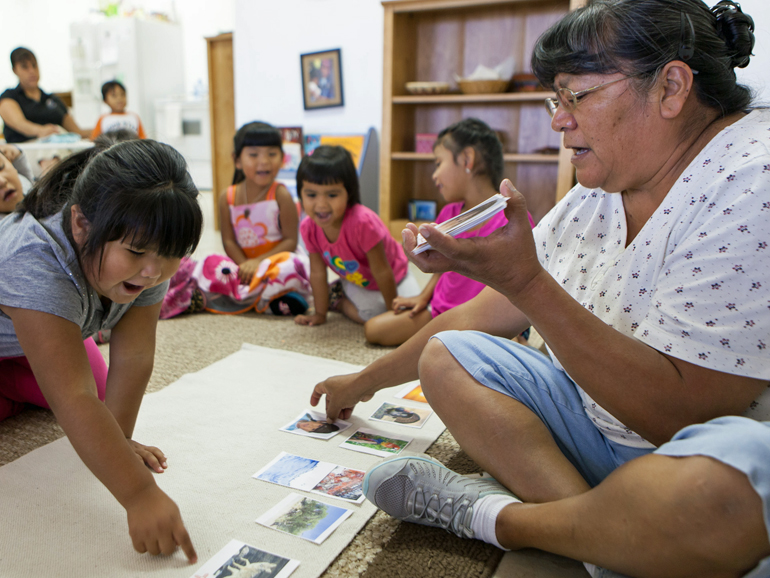
As an early childhood professional how do you stand up for children within the wider society? In your chosen profession you play a critical role in informing lay persons and policy makers about what is best for children and their families. Developing the skills of advocacy will help you protect and defend children. Through advocacy you will also begin to take part in the shaping of the field early childhood education.
Task
Task
In this WebQuest you will:
- Learn about different types of advocacy,
- Explore organizations that advocate for children and families,
- Identify current policy issues related to early childhood education and families,
- Write an email to a government official advocating for your position on an issue affecting young children and/or their families.
Process
Process
There are 3 parts to the process. In Part 1 you will learn more about what is meant by advocacy. In Part 2 you will learn more about some of the issues facing young children and their families. In Part 3 you will take some action by writing an email to a governnment official about an issue important to you.
PART 1
The first thing you need to do is learn more about is meant by the term advocacy. Click on the Early Childhood Advocacy Toolkit shown here and use it to understand:
- Case Advocacy
- Administrative Advocacy
- Legislative Advocacy
- Media Advocacy
Look at pages 7 and 8 of the pdf file.
Based on what you read, think about this example.
Your daycare includes many children and families from low income backgrounds. You know the strong relationship between good nutrition and learning. You believe that funding for WIC, the federally funded supplemental nutrition program for woman, infants and children, should not be cut. You decide to write your congressman to express your views. Which type of advocacy is this?

PART 2
There are a number of key national child and family advocacy organizations. Look at these 2 links to see some of the issues currently being addressed.


Find a discussion about:
- gun control
- play in school
- technology literacy
What other topics seem to be current issues? What issues do you have concerns about?
PART 3
The final step in this WebQuest is to Take Some Action!

Decide on an issues you'd like to speak to. The first part of getting your point across is to determine your message. The Advocacy Tool Kit includes useful information for ways to construct a message to share with key audiences that is clear and concise. Look at page 9 of the pdf file to learn about the EPIC format. Page 10 will show you a way to frame your message for lawmakers, early childhood practitioners or the business community.

Some on-line advocacy sites make it easy to participate in contacting lawmakers. One organization that facilitates this process through their website is United Way. Look at their website and find out how you can take action.

The Children's Defense Fund also makes it easy to submit an email to your representatives around current issues. If you don't know your representatives you can find their names and contact information. If you want to use an email they've constructed it's even easier to let one of your representatives know what you think. Look through these two websites, write an e-mail, and send it off!
Evaluation
Evaluation
You will find a worksheet to go along with this WebQuest on our course MOODLE site. Complete worksheets will earn you full credit for this assignment.
Conclusion
Conclusion
Remember that one of the NAEYC standards for Early Childhood Professionals is:
NAEYC Standard 6: Becoming a Professional
6e Engaging in informed advocacy for children and the profession

The goal of this exercise was to help you meet this standard.