Introduction
Discover Australia and New Zealand
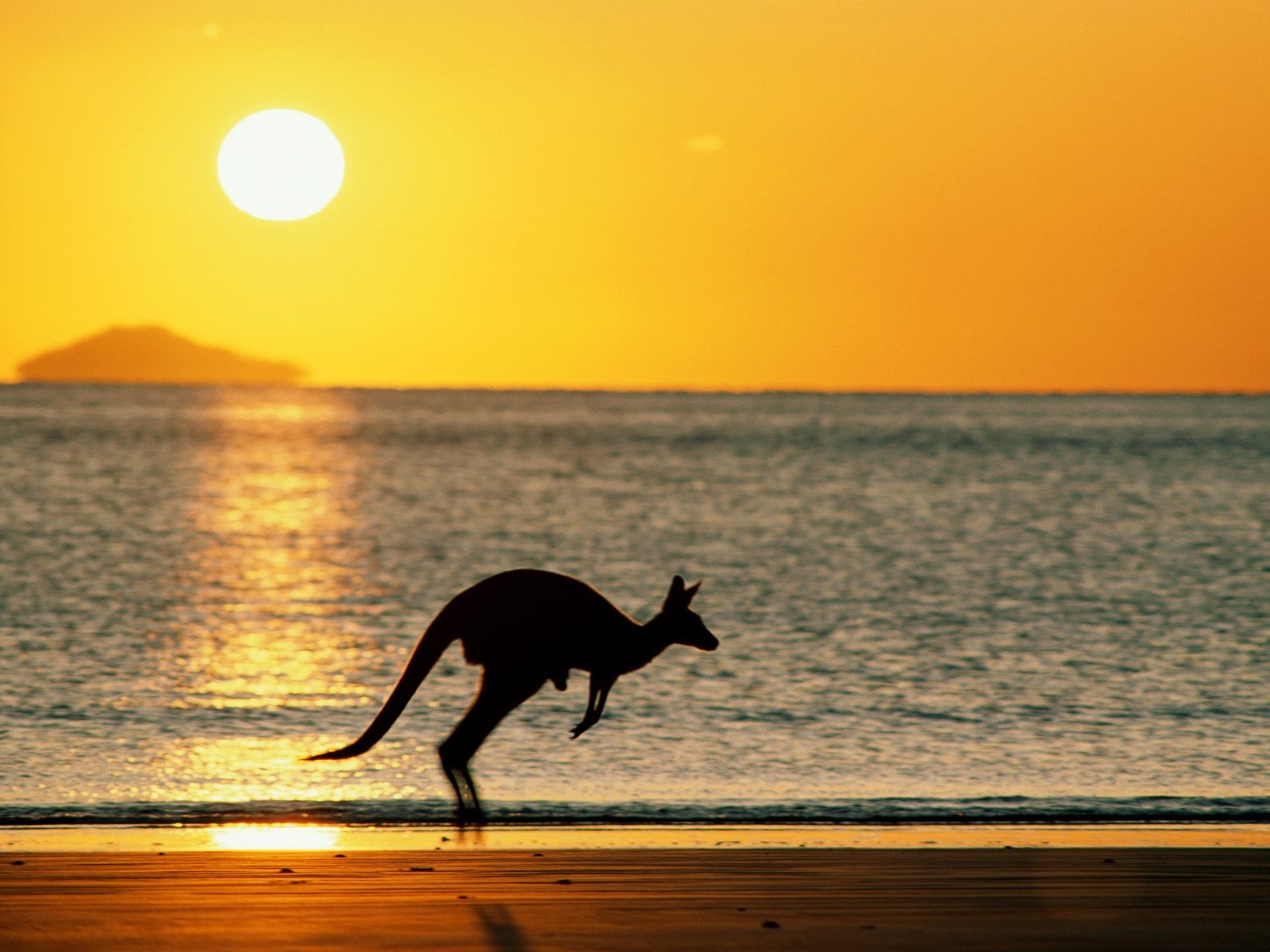
Discover Australia: a vast, beautiful country that is affluent, multicultural and laced with natural splendour.
Discover New Zealand: a breathtaking country with both man-made enticements and splendours of the natural realm.
During this lesson, you are going to explore these two beautiful countries!
You will work together in groups of three or four students.
You will all be tourist guides, specialised in Australia or New Zealand.
Let's get started!

Task
Group work about Australia and New Zealand
You will complete three different tasks during this lesson.
Part 1: Vocabulary exercise about Australian slang.
You have to link Australian slang to the correct meaning and check your answers online.
Part 2: Develop a promotional presentation.
You will look up interesting tourist information about one of the topics on your handout.
You will present at least four different reasons for tourists to visit Australia or New Zealand.
You can make a PowerPoint presentation with visuals for this presentation.
Part 3: Design a promotional poster.
You will make a catchy, convincing slogan for your poster, to persuade tourist to visit Australia or New Zealand.
You will look up attractive, intruiging visuals to include in your poster.
You will look up must sees, must dos and must visits in your poster.
Process
Group work about Australia and New Zealand
Part 1: Australian slang
Combine these Australian slang words on the left with the correct meaning on the right.
|
A bludger (noun, person)) |
A can of beer |
|
To pash (verb) |
To vomit |
|
Crook (adjective) |
To lose one’s temper |
|
Reg grundies (noun, plural) |
A lazy person |
|
Old fella (noun, person) |
Underwear |
|
Daks (noun, plural) |
A succesful person |
|
A tall poppy (noun, person) |
A dad or a granddad |
|
A tinny (a noun) |
Pants, trousers |
|
To spit the dummy (a phrase) |
An exclamation of annoyance |
|
To chunder |
To makeout with someone |
|
To strike a light (a phrase) |
Sick, ill |
Write your answers on your handout.
Check your answers by watching this BuzzFeed video online: https://www.youtube.com/watch?v=K6sn8u0GjQ0
Part 2: A promotional presentation.
Each group can choose a topic from this list.
Topics about Australia:
- Group 1: Australian nature
- Group 2: Sydney
- Group 3: The Great Barrier Reef
- Group 4: Australian wildlife
Topics about New Zealand:
- Group 5: New Zealand nature
- Group 6: Wellington
- Group 7: New Zealand wildlife
Make sure that every group makes a poster about another topic.
For your promotional presentation, you can look up information for your presentation online.
You can look for four different interesting facts, people, places, animals, cities etc that can be intriguing for tourists.
These four assets have to motivate your audience to travel to Australia or New Zealand.
Make sure that the four assets that you discuss in your presentation include information that you have found during your web quest.
Each person should come up with at least one asset for your topic.
Here are some websites you can use to find useful tourist information:
http://www.australia.com/en
http://www.lonelyplanet.com/australia
http://www.newzealand.com/
http://www.lonelyplanet.com/new-zealand
Write down the four different assets for your promotional presentation on your handout.
Each person should find one asset for your topic.
Make a PowerPoint presentation for your oral presentation.
Your PowerPoint presentation should include your four assets and visuals for each asset that you explain in your presentation.
Your oral presentation should have a clear structure with an introduction, outline, body and conclusion.
Each person in your group will present one of these four phases.
Here you can find more information about how to give an oral presentation:
How to give an oral presentation
Prepare your presentation in great detail.
Make sure that your presentation has the following structure:
1) Introduction
You introduce your topic. You tell your audience what you are going to talk about.
For example: “We are going to talk about the Great Wall of China”
2) Outline
You explain to your audience which aspects you are going to talk about. You explain this in chronological order.
For example: “First of all, we are going to explain to you the history of The Great Wall. Afterwards, we will show you some important sights on the Great Wall. Lastly, we are going to demonstrate our tour on The Great Wall.”
3) Body
You give your information in a structured way. For this presentation, you have to discuss your five reasons to travel to Australia/New Zealand in great detail in this part of the presentation. You use linking phrases such as “First of all, “Second of all”, “Thirdly”, “Lastly” etc. to link your information together.
4) Conclusion
You sum up the main parts of your presentation. At the very end of your presentation, you conclude with a convincing statement that will definitely persuade your audience. “So, we have showed you the history of the Great Wall, the most important sights to see and our tour on The Great Wall. However, in order to really experience the history, mystery and beauty of this architectural master piece, you shall have to visit China and feel the story there yourself.”
For your oral presentation, you are allowed to write down key words.
Each person from your group will present one of the four phases of the oral presentation.
Part 3: A promotional poster.
For your promo poster, you can look up interesting information (must see/must do/must visit etc.) and beautiful, attractive visuals (photographs, cartoons, drawings, etc.). Your poster should be made on a A3 sheet. Your teacher will give each group one empty A3 sheet.
Your promotional poster should include the following aspects:
A) A catchy slogan that will convince tourists to travel to Australia or New Zealand
B) An attractive, clear layout and type for your poster
C) At least three different visuals that are attractive to tourists and typical for your topic
D) At least three must see/must do/must visit tips for tourists that are linked to your topic. These could be assets from the promotional presentation.
Each person in your group is responsible for one of these four aspects.
You can check these websites for interesting visuals and tourist information for your poster:
http://www.news.com.au/travel/australian-holidays/australian-travel-des…
http://www.buzzfeed.com/simoncrerar/le-backpacker#.avnGN4oE6
http://www.statravel.co.uk/new-zealand-top-10.htm
http://mustdonewzealand.co.nz/
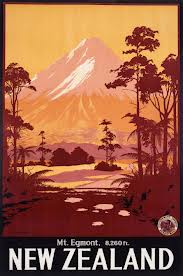
Here you can find some examples of promotional posters about Australia and New Zealand:

Evaluation
Evaluation of your group work
Part 1: Equal division of the tasks in your group work
You fill in the division of the tasks on your handout.
The division of the tasks for the group work
Group work topic: …………………………………………………
Part 1: The promotional presentation
Web quest:
Asset 1: Name: ………………………………………………………..
Asset 2: Name: ………………………………………………………..
Asset 3: Name: ………………………………………………………..
Asset 4: Name: ………………………………………………………..
Oral presentation: ………………………………………………………..
Introduction: Name: ………………………………………………………..
Outline: Name: ………………………………………………………..
Body: Name: ………………………………………………………..
Conclusion: Name: ………………………………………………………..
Part 2: The promotional poster
Slogan: Name: ………………………………………………………..
Lay-out & type: Name: ………………………………………………………..
Visuals: Name: ………………………………………………………..
Three must sees: Name: ………………………………………………………..
Each student should do one task from each category: the web quest, the promotional presentation and the promo poster.
Part 2: Peer feedback on the promotional presentation.
Each group will fill in the speaking rubric for your promotional presentation.
These are the criteria that are evaluated during the oral presentations;
1) Delivery
2) Content and organisation (structure)
3) Enthusiasm and audience awareness
Here you can find the speaking rubric that will be used to evaluate the oral presentations on your handout.
Part 3: Promotional poster
These are the criteria that will be used to evaluate your promotional poster:
A) A catchy slogan that will convince tourists to travel to Australia or New Zealand
B) An attractive, clear layout and type for your poster
C) At least three different visuals that are attractive to tourists and typical for your topic
D) At least three must see/must do/must visit tips for tourists that are linked to your topic. These could be assets from the promotional presentation
Good luck with your group work!
You can do it!

Conclusion
Group work about Australia and New Zealand
After you have given your own oral presentation and have listened to the presentation of the other groups, you now should have learned some interesting facts about Australia and New Zealand!
During this lesson about Australia and New Zealand, you have learned many new useful skills!
1) You have learned how to look up relevant information online
2) You have learned how to select information for a presentation and a poster
3) You have learned how to give a promotional presentation
4) You have learned how to use PowerPoint to illustrate your presentation
5) You have learned how to structure an oral presentation
6) You have learned how to work together as a group and divide the tasks equally
7) You have learned how to design an attractive promotional poster
8) You have learned some Australian slang
Well done, everyone!
I hope you enjoyed your journey to Australia and New Zealand!