
Introduction
VOLUME/CAPACITY
Throughout this webquest you will be exploring different units of measurement that we can use to measure the inside of objects with.
In order to be able to complete this webquest you need to be refreshed on some of the important terms, they are listed below.
You can come back to this page at anytime to look up the definitions!

Terms:
Millilitres: One thousandth of a Litre.
Millilitres may also been written shorter and look like this mL. 250 mL means 250 millilitres.
 Millilitres are used for small amounts of liquid, measurements under 1 litre.
Medicine and cans of drink are some things that are measured in millilitres.
Litre: 1000 millilitres = 1 Litre
Litres may also be written short by using a L. 60 L means 60 litres.
Litres are used for medium amounts of liquids. 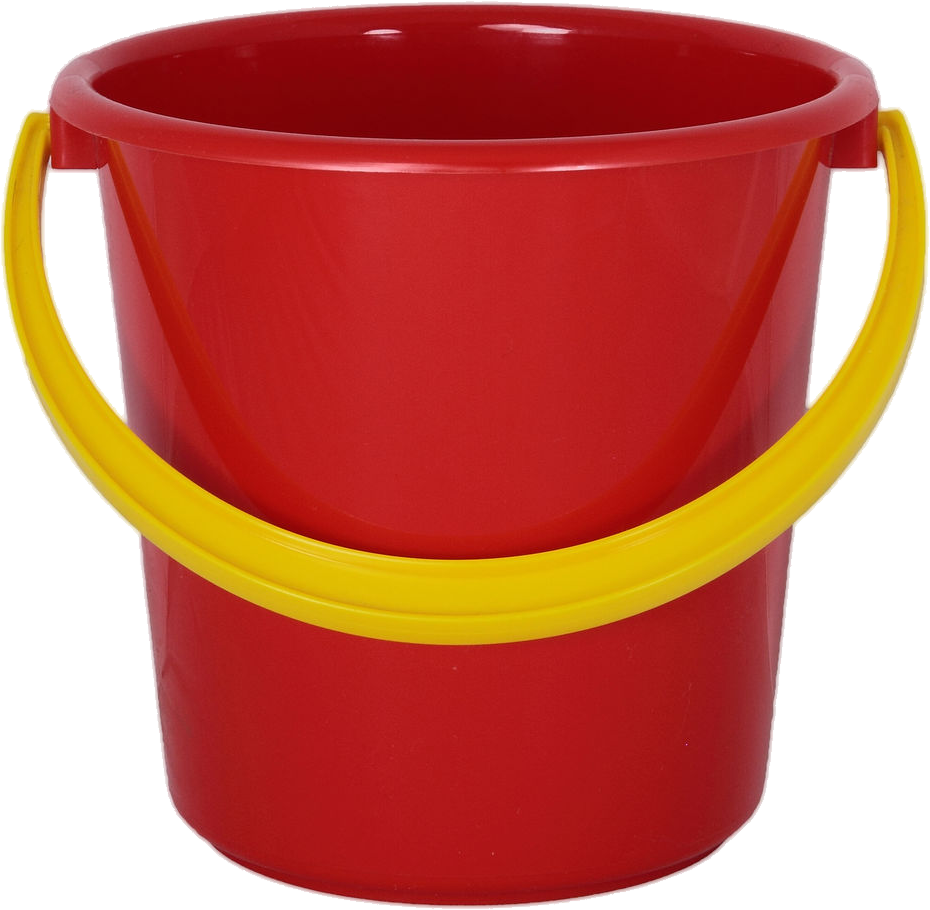
Milk, bottles of drink and buckets are usually measured in Litres.
Kilolitre: 1000 Litres = 1 Kilolitre
Kilolitres may also be written short like kL. 50 kL means 50 Kilolitres. 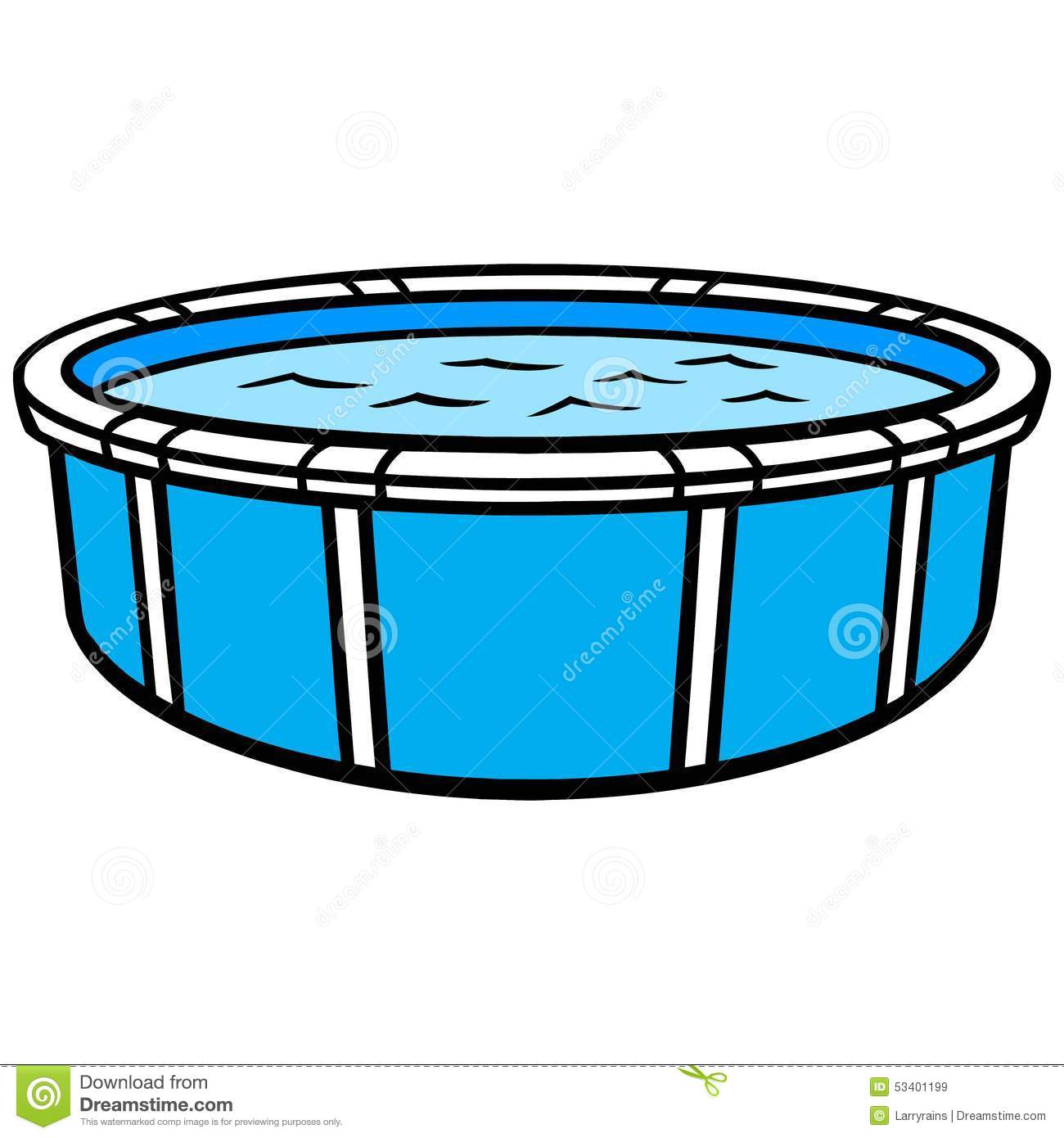
Kilolitres are used for large amounts of liquids.
Swimming pools and tanks are measured in Kilolitres.
Cubic centimetres (cm³): Is a cube that is 1 centimetre (cm) on each side.
1cm³ = 1 millitre.
Cubic metres (m³): Is a cube that is 1 metre (m) on each side.
1m³ = 1000 Litres
If you still do not understand explore this link https://www.mathsisfun.com/definitions/volume.html
Task
Work through the questions on the 'process' page and record your answers on your worksheet.
Ask questions when you need! Remember to look back on the introduction page at the terms if you need.
** This symbol means extra tasks that you can do if you finish early.
When you get to the end of each lesson, if you still have time, visit the 'conclusion' tab and follow a link to explore.
Make sure you record your answers and hand up the sheet at the end of the lessons - make sure your name is on the top.
Process
Task 1: Put the following objects in order from smallest volume to biggest volume by labelling them 1-5.

Find 4 objects around the classroom and put them in order from smallest volume to biggest volume. Take a photo on class camera.
** Measure the volume of each object, and check that your items are in the correct order.
Task 2: Look at the boxes labelled 1-4 at the front of the classroom, record how many centi-cubes you think can fit in each box, then test how many can.
| Estimated number of base cubes | Correct number of base cubes | |
| Box 1 | ||
| Box 2 | ||
| Box 3 | ||
| Box 4 |
Evaluate your predictions. Discuss with class if your predictions were close or not. How can they be improved next time?
**Place the boxes from highest volume to lowest volume, then find 2 other boxes in the classroom and measure them and place on the scale.
Task 3: Which box is bigger? List all the ways you could measure which box is bigger in your work sheet.
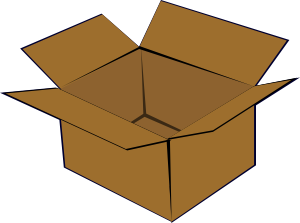
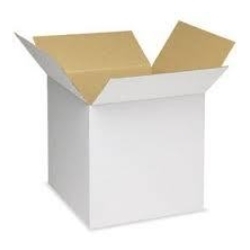
Do you think the boxes will be measured in millilitres, litres, cubic centi-metres, or cubic metres?
and discuss why?
Task 4: A jug can hold 2 litres, half of 2 litres is 1 litre, what measurements can occur between 0 and 1 litre and 1 litre and 2 litres? You can use the jug in the classroom to help you record the measurements.
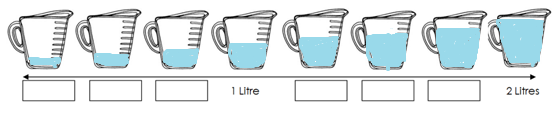
**What other measurements can occur between 0- litres? List 3 other measurements.
**What other measurements can occur occur after 2 litres? list 5 different measurements.
Task 5: Look at the containers below. Convert the measurements to be measured in the most appropriate form of measurement (millilitres or litres).
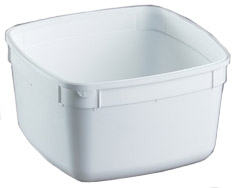
3000 millilitres (ml) or ________ Litres (L).
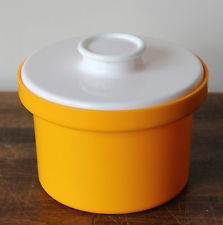
.25 Litres (L) or ___________ millilitres (mL).
.02 Litres (L) or _______ milliitres (mL).
6000 millilitres or __________ Litres (L).
Task 6: Look at the images below. Choose the most appropriate form of measurement cubic centimetres or cubic metres. (cm³ or m³) Cirle the most appropriate answer.
 cm³ or m³
 cm³ or m³
 cm³ or m³
 cm³ or m³
**Place 4 images in order from what you think is lowest cubic- centimetres and to highest cubic metres.
**Name 3 other things that would be measured in cubic-centimetres and 3 other things that would be measured in cubic-metres.
Evaluation
|
Evaluation Rubric |
||||||||||||||||||||||||||||||||||||||||
|
|
||||||||||||||||||||||||||||||||||||||||
|
Conclusion
Well done! You've completed the WebQuest.
If you want to explore more, follow these two links:
https://www.mathsisfun.com/definitions/volume.html
http://nrich.maths.org/public/leg.php?code=150
Congratulations and keep learning!
Credits
All images accessed from Google images.
Australian Curriculum.
Teacher Page
This is a learning investigation suitable for Middle to Upper primary students (Year 4-5). The activities are based around the Mathematical concept of volume and will require students to problem solve and interact with their peers.
Prior knowledge includes:
-Compare objects directly by packing or pouring from one container to another to see which one holds more or less
-Use suitable language ‘holds more’ and ‘holds less’
- Understands that in order to compare objects , the unit of measurement must be the same
- Compare capacity using a range of containers
- Use informal measurements to measure capacity
- Estimate volume and capacity and improve estimates
Tasks will require them to follow a series of questions and record the answers on a task recording sheet.
The learning sequence will be relevant to the:
Measure, order and compare objects using familiar metric units of capcity (ACMMG061).
- Recognising the importance of using common units of measurement
- Recognising and using millilitres and litres.
- Students use metric units for capacity.
Compare objects using familiar metri units of volume (ACMMG290)
-Compare volume using centicubes.
Convert between common units of measurement for volume (ACMMG108)
-Recognise that some measurements are better suited for some tasks than others.
-They use appropriate units of measurement for volume and capacity.
The duration of this WebQuest is approximately 4-5 lessons, with extra resources provided for the students to explore.