
Introduction
- In this WebQuest you will be investigating how Canadian Indigenous women have been much more prone to violent death than non-native women for decades. This investigation will build on your knowledge in Family Studies by working on issues dealing with Personal Decisions and Community, and Diversity in Society to identify and discuss cultures and lifestyles in various situations. By bringing awareness to this issue, we become more aware of how to look out and speak up for others.
Task
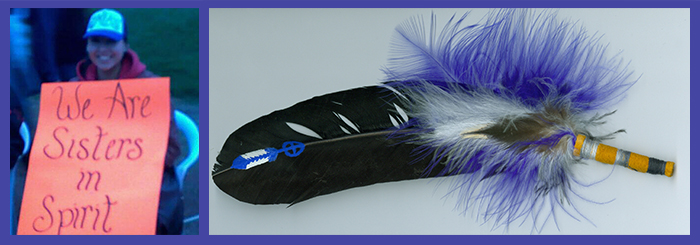
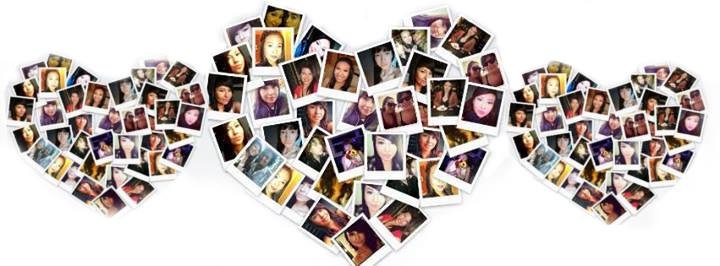
http://www.itstartswithus-mmiw.com/bella
In this Webquest, students will analyse and compare the perspectives in various media texts, related to missing and murdered Aboriginal women through written work and class presentations.
Process
 Adapted from http://www.edu.gov.on.ca/eng/aboriginal/strategygr08lanperspectives.pdf
- Then view this fact sheet: http://www.onwa.ca/upload/documents/missing-and-murdered-fact-sheet.pdf
- Divide the class into small groups.In your groups, view this video:https://www.youtube.com/watch: v=vqpsoEuQEjUcontent/uploads/2015/05/Fact_Sheet_Missing_and_Murdered_Aboriginal_Women_and_Girls.pdf
- Have each group examine a different print or online media text produced by various media outlets, ensuring that each text is different.
Three examples are:
http://www.thestar.com/news/canada/2014/05/01/1000_native_women_murdere… ssing_in_canada_over_30_years_rcmp.html
http://america.aljazeera.com/articles/2014/8/21/femicidesdisappearances…
http://www.ammsa.com/publications/ravens-eye/families-look-answers-abou…- murdered-relatives (or access to the internet)
3. Have the groups analyse the text, telling them to support their analyses with information about the text’s creators and publishers and with examples from the text.
- Who produced the text?
- Where are they located?
- What is the mission statement or purpose of the media text?
- Who is the intended audience?
- How do you know?
- Whose interests are reflected in the text?
- Is a political viewpoint evident in the text?
- Is more than one evident?
- What cultural information is evident in the text?
- What artistic expression is evident?
4 .Have the groups exchange the media text they have analysed with one studied by another group and have them analyse the second text as they did the first one.Have the groups compare what they learned about the viewpoints expressed in each text and present their findings to the class, citing supporting evidence.
- What similarities and differences in perspective did you discover?
- How do you account for these differences?
- Do the media texts meet the needs and interests of the intended audience?
- If so, how do they meet them?
- If not, how are they not meeting them?
Evaluation
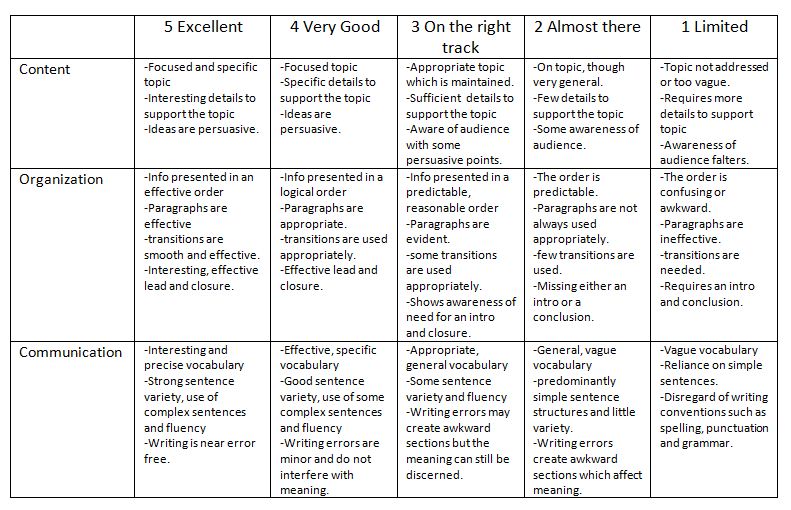
ASSESSMENT AND EVALUATION: Written work
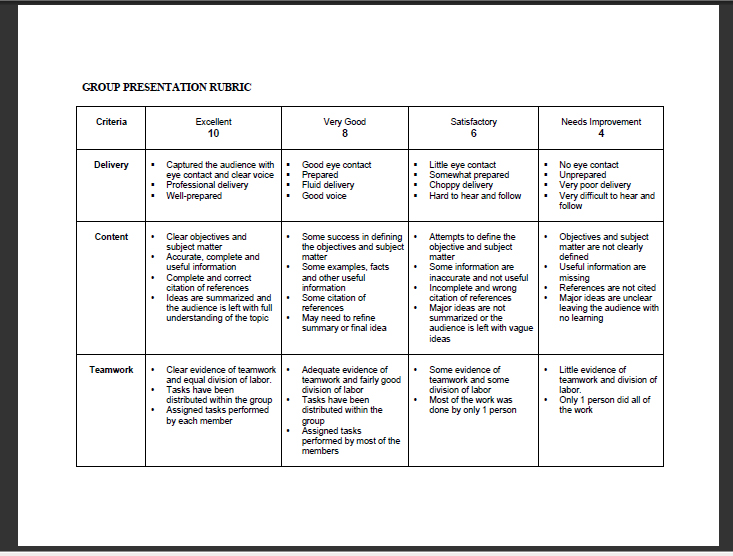
Class presentations
Conclusion
It is hoped that this WebQuest will help to shed light on the struggles of Indigenous Women in Canada. It is hoped that the students will gain knowledge with regards to Personal Decisions and Community, and Diversity in Society to identify and discuss cultures and lifestyles in various situations. Family Studies is about supporting our diverse community and seeking solutions to issues of domestic family violence. By bringing awareness to this issue, we become more aware of how to look out and speak up for others.
What you can do:
To spread awareness, check out this website: http://www.nwac.ca/wp-content/uploads/2015/05/2013_Paper_Doll_Template_…

Credits
america.aljazeera.com/articles/2014/8/21/femicidesdisappearancesaboriginalwomencanada.html
ammsa.com/publications/ravens-eye/families-look-answers-about-their- murdered-relatives
edu.gov.on.ca/eng/aboriginal/strategygr08lanperspectives.pd
itstartswithus-mmiw.com/bella
Manitoba Senior Years Family Studies Curriculum
thestar.com/news/canada/2014/05/01/1000_native_women_murdered_mi ssing_in_canada_over_30_years_rcmp.html
youtube.com/watch: v=vqpsoEuQEjUcontent/uploads/2015/05/Fact_Sheet_Missing_and_Murdered_Aboriginal_Women_and_Girls
Teacher Page
A WebQuest usually includes sections for Introduction, Task, Process, Evaluation, Conclusion, and Credits.
The Introduction describes the nature of the lesson and the essential question(s) that will be answered through completion of the exercise.
The Task section describes the expected results for the WebQuest. This would include a description of the final work product.
The Process tells students how they should go about accomplishing the end result. This section would include your links to Web sources.
The Evaluation provides a concrete explanation of how performance will be evaluated. This is usually accomplished through the creation of a rubric.
The Conclusion provides a summary and ties it all together. This section may also include additional Web links for further study.
The Credits section provides links and citations for any sources of information, including media, that you have used while completing the WebQuest.