
Save Our Species

Introduction

During our visit to Melbourne Zoo we learned about many animals that are endangered. In many cases the animals are threatened because they are unable to survive the threats in their environments. Many threats have been the result of human activity.

These animals need your voice to save them from extinction. However, saving animals is an expensive job! We need to think very carefully about which animals MOST need our voices.

For this task you are learning how to think like a scientist to make an informed choice about which animal we should save.

Before you begin, write the name of the animal you think you might save and why.

Task

Scientists often make claims. A claim is a statement that includes a particular point of view about a topic or an issue. An example of a claim is:

"I claim that the resources at Melbourne Zoo used for 'Saving Our Species' should INSTEAD be invested in a 'Saving The Horses' campaign."

How can we have confidence in a claim?

Scientists use evidence to argue their claims. Sometimes the evidence is gathered from experimental investigations. Evidence can also be gathered from research as information or data.

  • Your challenge is to gather information about the different animals at Melbourne Zoo that need our attention.
  • You will create a table and use it to represent your information.
  • You will then make a claim about which animal REALLY needs our support.
  • You will support your claim using the evidence gathered from your research.
Process

Step 1: Create your table using these headings: Animal, Group (the animal belongs to), Threats, Status, Where it is found, Facts.

Step 2: Use the following websites to gather your information.

http://www.zoo.org.au/melbourne/animals/southern-corroboree-frog

http://www.zoo.org.au/melbourne/animals/australian-fur-seal?__utma=146597695.290540804.1424043185.1432514424.1440547521.4&__utmb=146597695.17.10.1440547521&__utmc=146597695&__utmx=-&__utmz=146597695.1440547521.4.4.utmcsr=google|utmccn=(organic)|utmcmd=organic|utmctr=(not%20provided)&__utmv=-&__utmk=142650421

http://www.zoo.org.au/werribee/animals/eastern-barred-bandicoot?__utma=146597695.290540804.1424043185.1432514424.1440547521.4&__utmb=146597695.2.10.1440547521&__utmc=146597695&__utmx=-&__utmz=146597695.1440547521.4.4.utmcsr=google|utmccn=(organic)|utmcmd=organic|utmctr=(not%20provided)&__utmv=-&__utmk=181536679

http://www.zoo.org.au/melbourne/animals/philippines-crocodile?__utma=146597695.290540804.1424043185.1432514424.1440547521.4&__utmb=146597695.7.10.1440547521&__utmc=146597695&__utmx=-&__utmz=146597695.1440547521.4.4.utmcsr=google|utmccn=(organic)|utmcmd=organic|utmctr=(not%20provided)&__utmv=-&__utmk=155316027

http://www.zoo.org.au/melbourne/animals/sumatran-orang-utan?__utma=146597695.290540804.1424043185.1432514424.1440547521.4&__utmb=146597695.9.10.1440547521&__utmc=146597695&__utmx=-&__utmz=146597695.1440547521.4.4.utmcsr=google|utmccn=(organic)|utmcmd=organic|utmctr=(not%20provided)&__utmv=-&__utmk=243376901

http://www.zoo.org.au/melbourne/animals/asian-elephant?__utma=146597695.290540804.1424043185.1432514424.1440547521.4&__utmb=146597695.21.10.1440547521&__utmc=146597695&__utmx=-&__utmz=146597695.1440547521.4.4.utmcsr=google|utmccn=(organic)|utmcmd=organic|utmctr=(not%20provided)&__utmv=-&__utmk=210471701

http://www.zoo.org.au/healesville/animals/helmeted-honeyeater?__utma=146597695.290540804.1424043185.1432514424.1440547521.4&__utmb=146597695.11.10.1440547521&__utmc=146597695&__utmx=-&__utmz=146597695.1440547521.4.4.utmcsr=google|utmccn=(organic)|utmcmd=organic|utmctr=(not%20provided)&__utmv=-&__utmk=177261733

http://www.zoo.org.au/werribee/animals/koalas?__utma=146597695.290540804.1424043185.1432514424.1440547521.4&__utmb=146597695.15.10.1440547521&__utmc=146597695&__utmx=-&__utmz=146597695.1440547521.4.4.utmcsr=google|utmccn=(organic)|utmcmd=organic|utmctr=(not%20provided)&__utmv=-&__utmk=177261605

http://www.zoo.org.au/melbourne/animals/lord-howe-island-stick-insect?__utma=146597695.290540804.1424043185.1432514424.1440547521.4&__utmb=146597695.19.10.1440547521&__utmc=146597695&__utmx=-&__utmz=146597695.1440547521.4.4.utmcsr=google|utmccn=(organic)|utmcmd=organic|utmctr=(not%20provided)&__utmv=-&__utmk=177275813

http://www.zoo.org.au/werribee/animals/lion?__utma=146597695.290540804.1424043185.1432514424.1440547521.4&__utmb=146597695.23.10.1440547521&__utmc=146597695&__utmx=-&__utmz=146597695.1440547521.4.4.utmcsr=google|utmccn=(organic)|utmcmd=organic|utmctr=(not%20provided)&__utmv=-&__utmk=155902907

Evaluation

It's decision time!

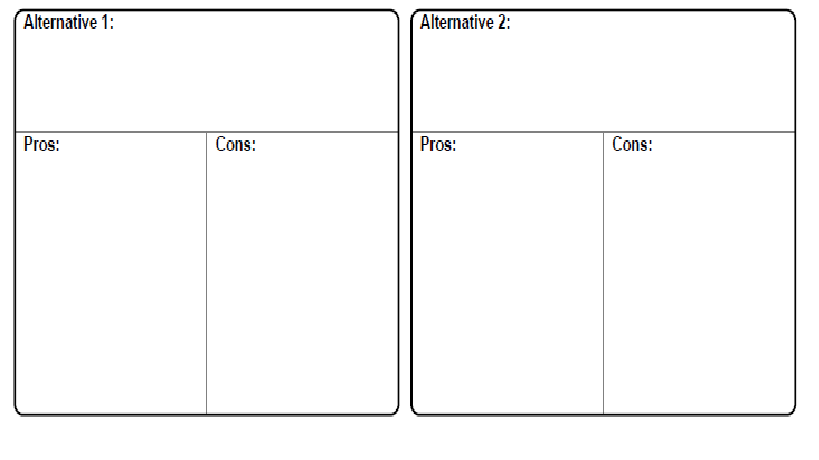
Select TWO animals you 'claim' should be saved. Then complete the decision making chart that explores the alternatives. Make sure you think like a scientist and list pros and cons based on the evidence you collected from research.
Conclusion

Claims, claims, claims!

  • What is your claim for the Save Our Species Challenge?
  • Which of the animals do you claim we should we be spending our money and time?

Complete the claim using this sentence stem:

I claim that...

Reasoning

Now it's time to give your reasoning!

  • Summarise the evidence that informs the reasons for this choice.
  • You may use dot points in developing your argument.

Collaboration

We will share our ideas and vote on our preferred animal.

Credits
Teacher Page

Your are successful when:

  • You show the use of scientific knowledge of the animals to inform your decision. (SHE)
  • You show an understanding that the survival of animals is affected by the conditions in their environment. (SKU)
  • You correctly construct a table of data to represent all relevant information about each animal. (SIS: P & A data)
  • You compare the data for each animal and use it as evidence for your reasoning. (SIS: P & A data)
  • You communicate your ideas as a claim and use scientific language for your reasoning. (SIS: Communicating)
  • You reflect on how your thinking about the problem might have changed after investigating the animals. (SIS: Q & P; Evaluating)