
Introduction
The Paralympics are put on by the IPC, who's vision is "To Enable Paralympic Athletes to Achieve Sporting Excellence and Inspire and Excite the World". They want to focus on building athlete empowerment through determination and developement through practice. Their goal is to be a sports-centered organization.
So who qualifies as a para athlete? the IPC has 10 disabilities that meet this standard, which are listed here: http://www.paralympic.org/classification
These are further broken down into classifications, who can do which sports and to which level. They do this to provide equal opportunity to all people with disabilities. Watch the video below to find out more about the Paralympic focus on athletics.
https://www.youtube.com/watch?v=6RMOSDynkw8
Task
There are over 4.5 million parathletes in over 170 countries. While poking around on the internet, I found an article regarding how to interview a para athlete and was astonished with how similar the tips were to our lectures this week. Basically, the athletes just want to be treated as regular athletes, just as people with disabilities want to be treated exactly the same as people without disabilities. Here are the rules that were given: http://www.rio2016.com/blog/en/how-interview-paralympic-athlete
Below is a link to an interview with a cyclist named Sarah Storey, who has a really cool story. She switched sports in her mid 20's from swimming to cycling, and was successful in both! You will notice that her disability is brought up casually, the same way an injury would be in a non-disabled athlete, and almost all of the questions were focused around being an athlete.
Process
So what happens if a para athlete wants to try his/her hand on the olympic stage? In 2011, Oscar Pistorius decided just that, after wining 3 gold medals in the paralympics. His decision was highly controversial, and both paralympians and olympians were split on the topic. Some were convinced that his prosthetics gave him an unfair advantage, while others think that although the prosthetics may be lighter, there are a lot more advantages for those without the prosthetics.
Read the full article here: http://www.theguardian.com/sport/2011/jul/31/oscar-pistorius-should-he-compete
Evaluation
When Oscar was interviewed, he says that his success has nothing to do with the prosthetics, but rather with the way he trains. He also describes the tests on his prosthetics and who tested them.
Watch his interview here: http://www.theguardian.com/sport/video/2012/may/09/london-olympics-2012-oscar-pistorius-video
Given this information, do you think that Oscar, as well as other para athletes, should be able to compete in the olympics if they meet standard requirements?
Conclusion
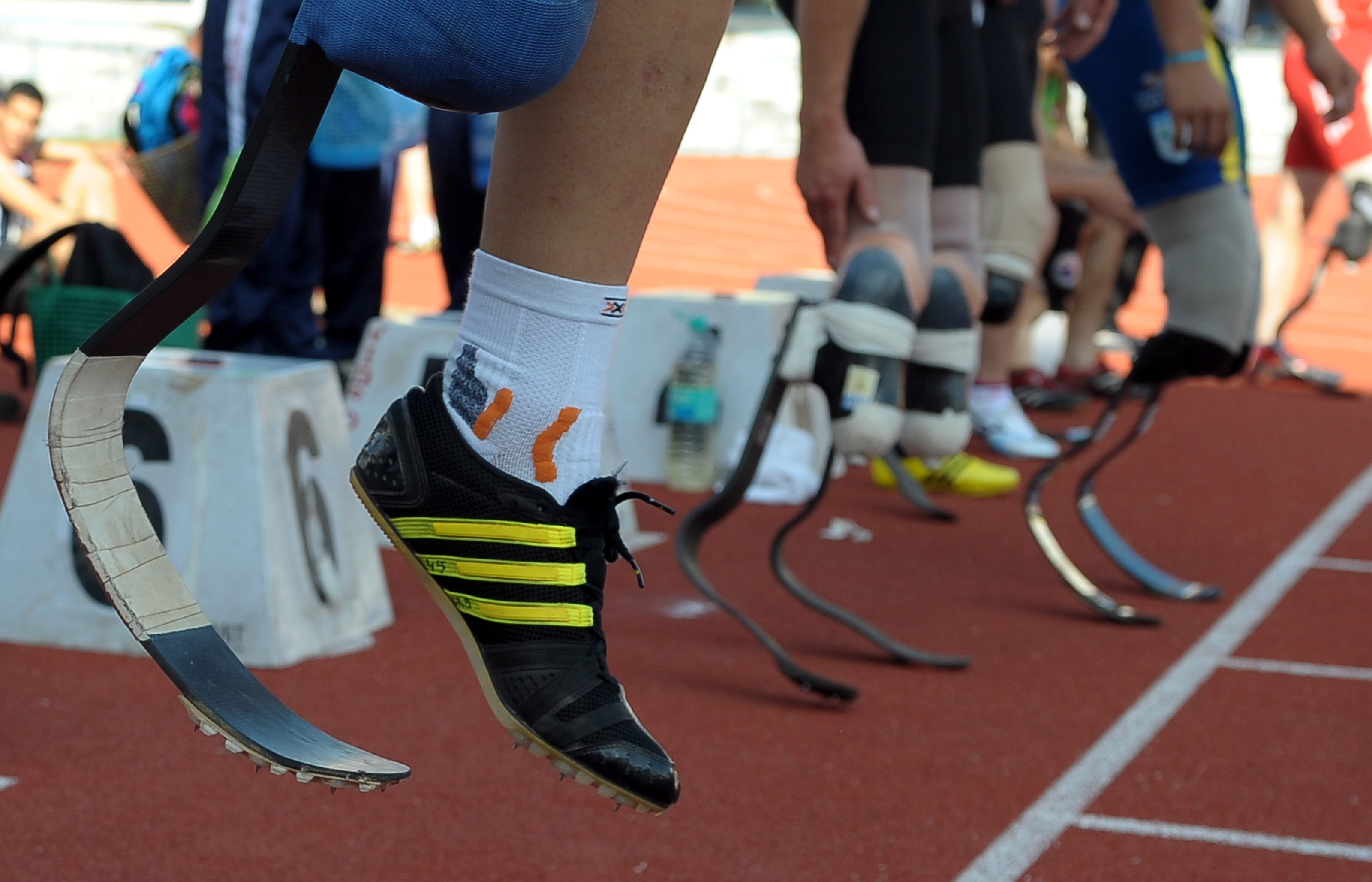
The most important thing to note is that para athletes, as well as all people with disabilities, want equal opportunities and to be treated normally. They don't want their disability to be seen as a handicap, but as something that's just part of their daily lives. The wonderful thing about sport is that it provides an opportunity to fulfill those needs, whether through organizations such as the IPC and Paralympic games or even the Olympics.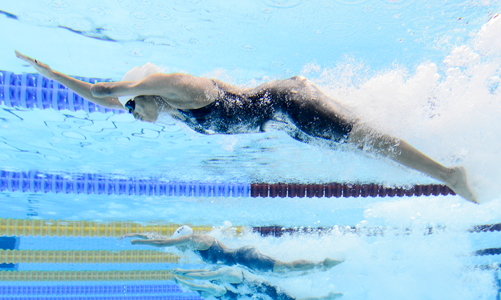
Credits
IPC website: http://www.paralympic.org/classification
Paralympics Mission and Vision Statement:
http://www.paralympic.org/sites/default/files/document/120203111830492_…
Paralympic Athlete Video: https://www.youtube.com/watch?v=6RMOSDynkw8
Oscar Controversy: http://www.theguardian.com/sport/2011/jul/31/oscar-pistorius-should-he-…
Disabled Athlete Interview: http://www.rio2016.com/blog/en/how-interview-paralympic-athlete
Sarah Storey Interview: http://www.nhs.uk/Livewell/olympics/Pages/sarah-storey.aspx
Oscar Interview: http://www.theguardian.com/sport/video/2012/may/09/london-olympics-2012…