
Introduction
The topic of this WebQuest is our solar system. This WebQuest will include links to websites with information about each of the planets that make up our solar system, including information about the distances from the Sun, period of rotation, period of revolution, surface temperature, atmospheric conditions, and many other interesting facts. The Florida Sunshine State Standard this will accompany is: SC.8.E.5.7: Compare and contrast the properties of objects in the Solar System including the Sun, planets, and moons to those of Earth, such as gravitational force, distance from the Sun, speed, movement, temperature, and atmospheric conditions. It will include eight exhibits on the tour through the solar system, including the planets of Mercury, Venus, Earth, Mars, Jupiter, Saturn, Uranus, and Neptune.
For students....
Hello! Welcome to the Solar System WebQuest, created to provide you with an interactive, engaging experience through our solar system's planets. Get into your imaginary space ships and get ready to take off! The fun is right around the corner.....
Be sure to collect valuable information from each stop on this tour. Specific topic to focus on for each are:
- Distance from the Sun.
- Period of Rotation
- Period of Revolution
- Surface Temperature
- Atmospheric Conditions
- At least two more interesting facts
When you are done collecting information from the WebQuest, you will create a PowerPoint or other multimedia tool to display your discoveries. You will share this with the class.
Task
Blasting off in 3..... 2..... 1.....
Don't forget to collect the following information for each planet....
- Distance from the Sun.
- Period of Rotation
- Period of Revolution
- Surface Temperature
- Atmospheric Conditions
- At least two more interesting facts
First stop, MERCURY!!
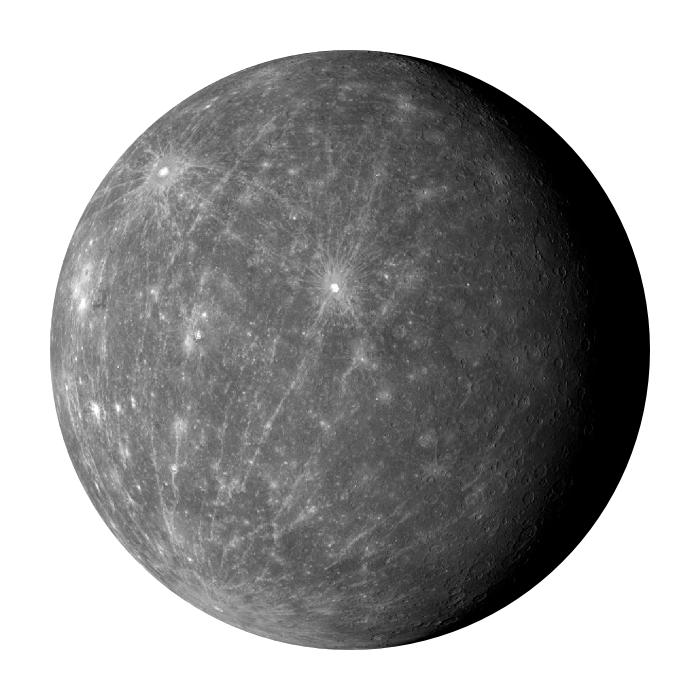
- http://space-facts.com/mercury/
- http://www.sciencekids.co.nz/sciencefacts/planets/mercury.html
- https://pds.jpl.nasa.gov/planets/special/mercury.htm
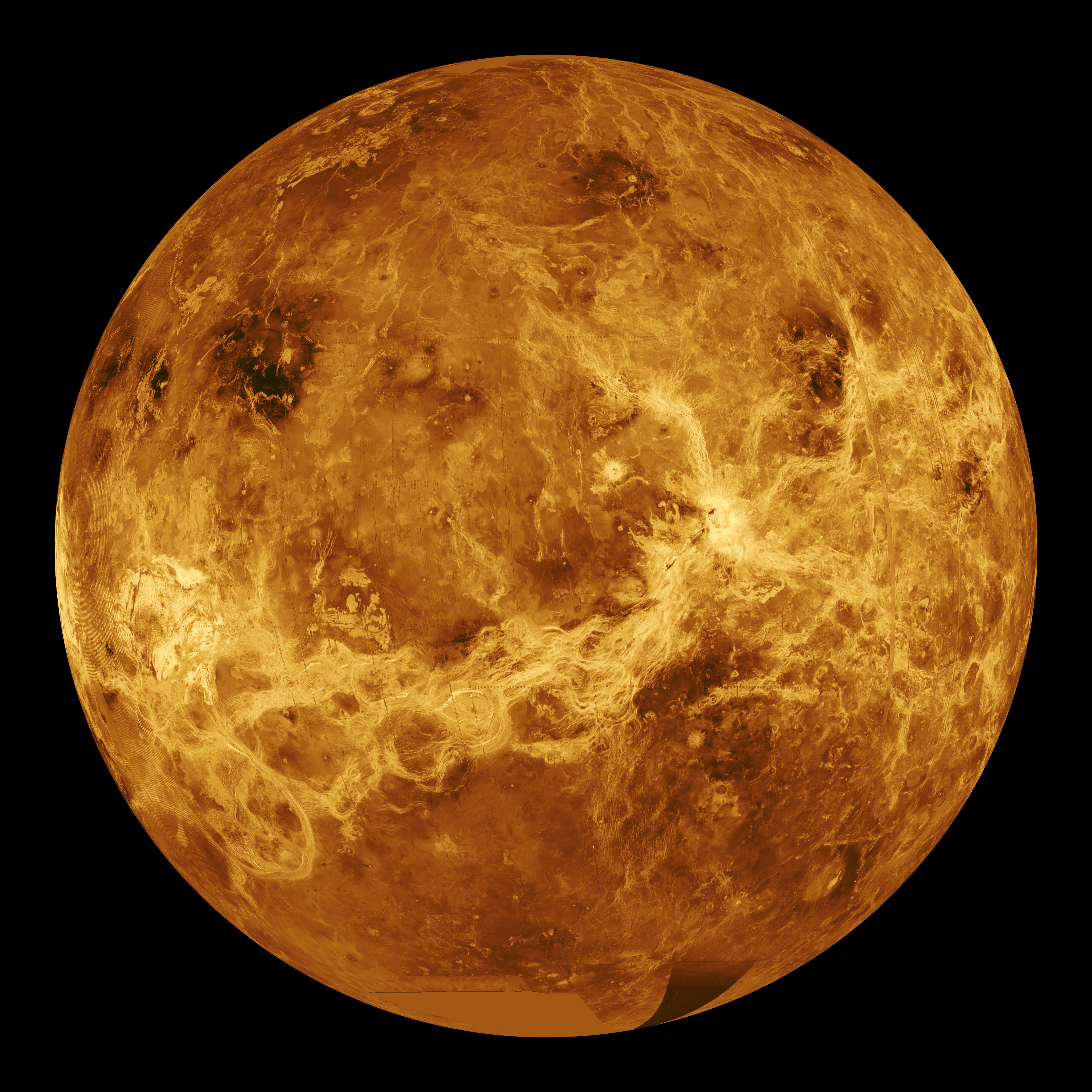
Second, Venus!!
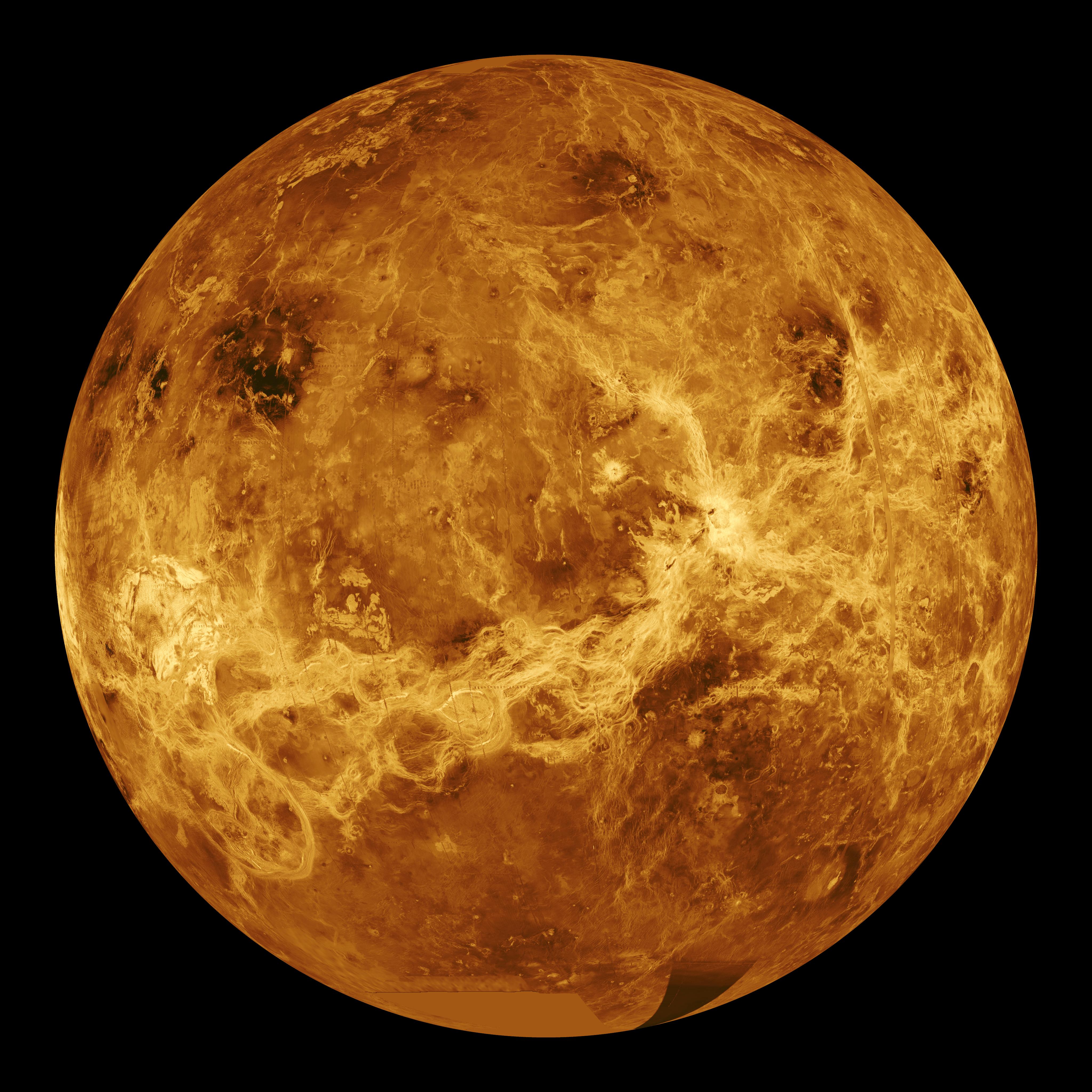
- http://space-facts.com/venus/
- http://www.planetsforkids.org/planet-venus.html
- https://pds.jpl.nasa.gov/planets/special/venus.htm
Next on our quest, Earth!!
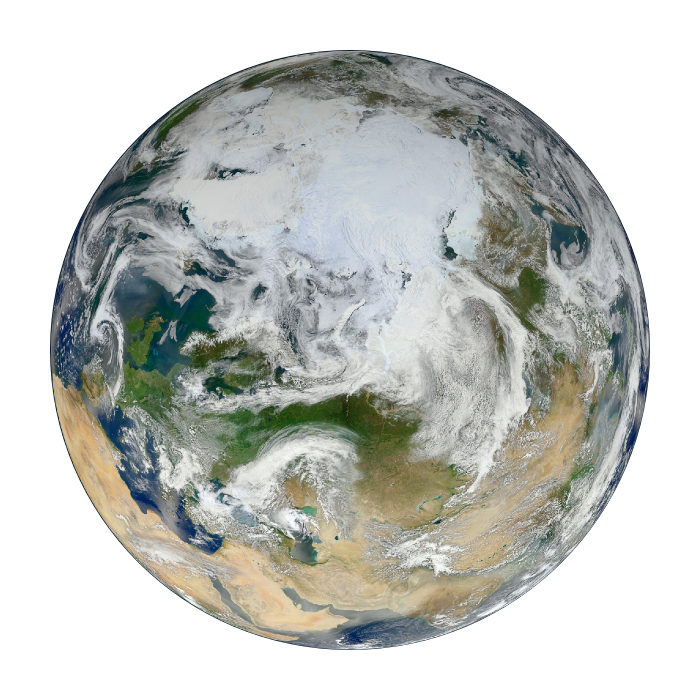
- http://space-facts.com/earth/
- http://www.planetsforkids.org/planet-earth.html
- https://pds.jpl.nasa.gov/planets/special/earth.htm
Now we are at Mars!!
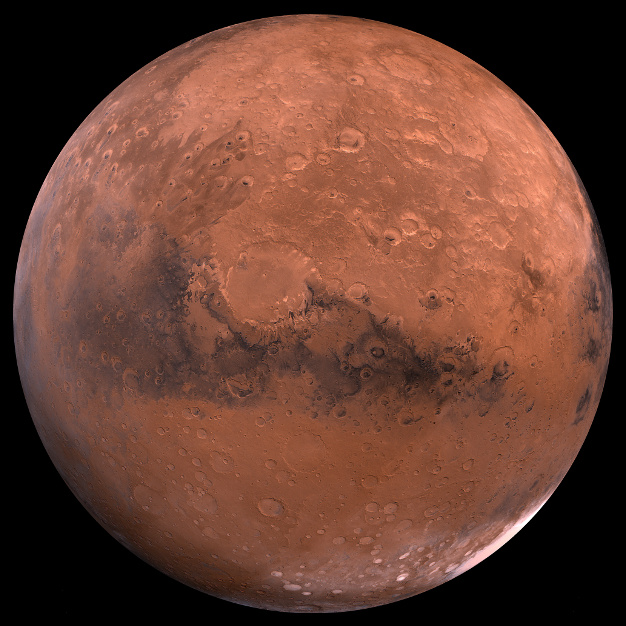
- http://space-facts.com/mars/
- http://www.planetsforkids.org/planet-mars.html
- https://pds.jpl.nasa.gov/planets/special/mars.htm
Venturing further, we reach Jupiter!!
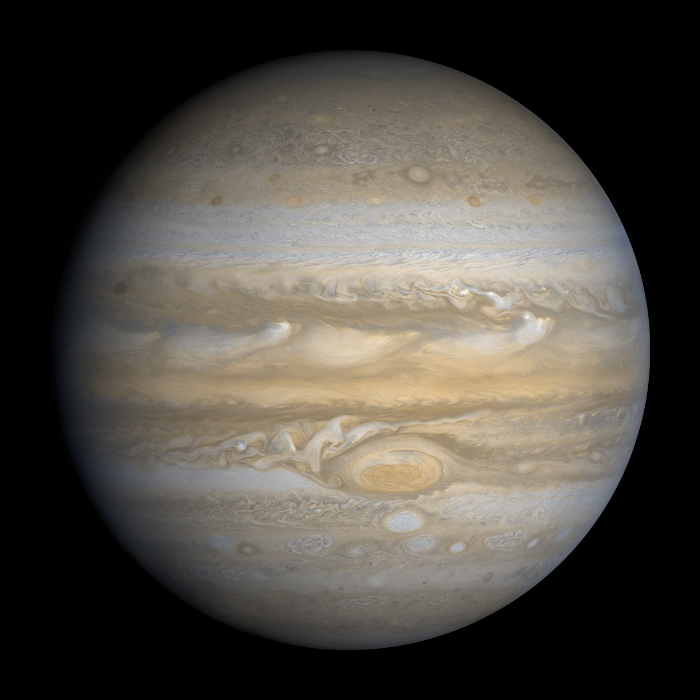
- http://space-facts.com/jupiter/
- http://www.sciencekids.co.nz/sciencefacts/planets/jupiter.html
- https://pds.jpl.nasa.gov/planets/special/jupiter.htm
Saturn is our next destination!!
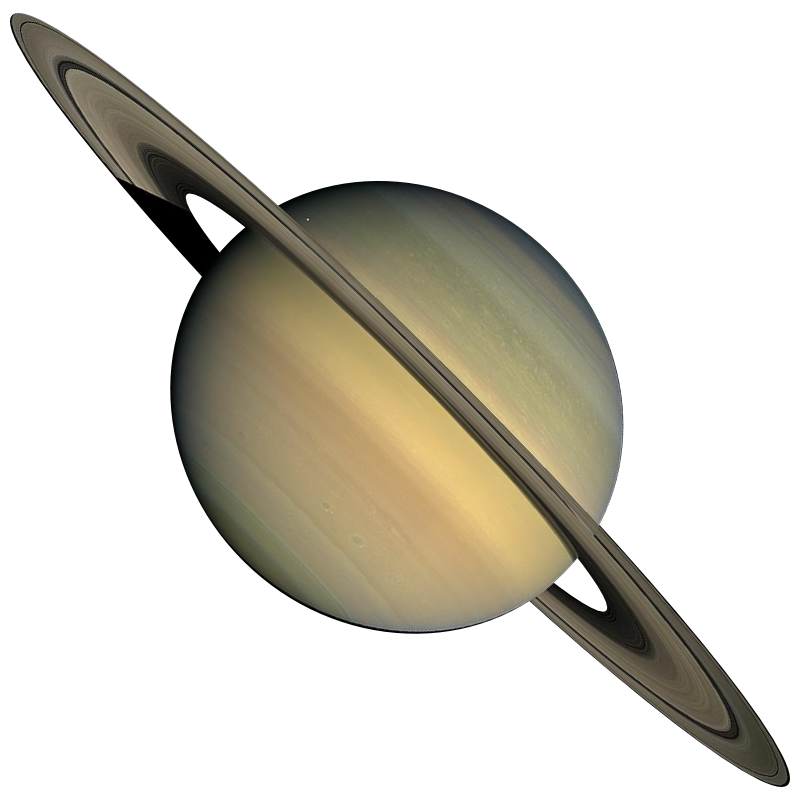
- http://space-facts.com/saturn/
- http://www.sciencekids.co.nz/sciencefacts/planets/saturn.html
- https://pds.jpl.nasa.gov/planets/special/saturn.htm
Next, we are venturing to Uranus!!
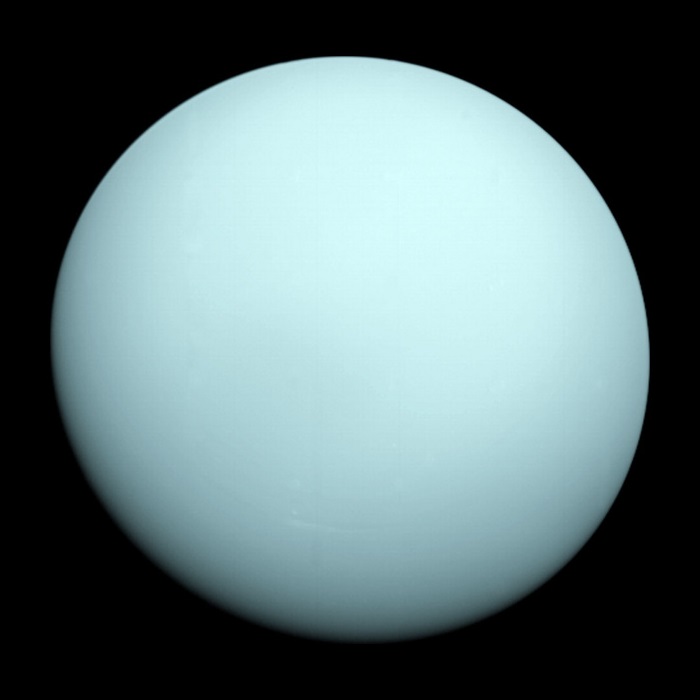
- http://space-facts.com/uranus/
- http://theplanets.org/uranus/
- https://pds.jpl.nasa.gov/planets/special/uranus.htm
Last stop, Neptune!
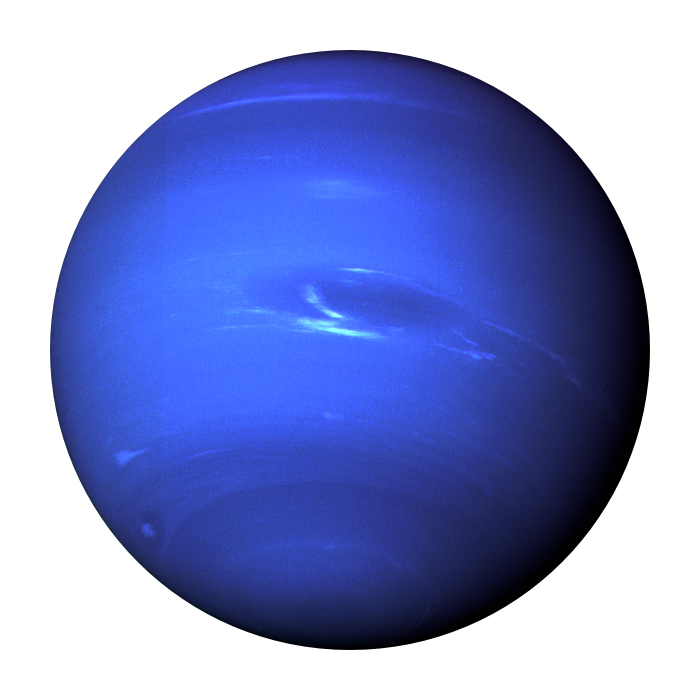
Evaluation
After you have conducted your research of the planets, you will create a PowerPoint or other mutlimedia tool to show what you learned in your research. You will present this to the class. Be sure that:
- You display at least three facts about each planet.
- Include at least one picture of each planet.
- Compare the properties of each planet with that of Earth.
Total point value = 15 points
|
|
5 |
3 |
1 |
|
Facts and Pictures |
Presentation piece includes at least three facts and one picture. |
Presentation piece includes two facts and one picture or three facts and no picture. |
Presentation piece includes one fact and one picture or two facts and no picture. |
|
Comparison |
Each planet was compared with Earth. |
Five to seven planets were compared with Earth. |
Two to four planets were compared with Earth. |
|
Presentation |
Each planet was discussed in the presentation. |
Five to seven planets were discussed in the presentation. |
Two to four planets were discussed in the presentation. |
Credits
In addition to the amazing planet websites mentioned throughout this presentation, photos were taken from the following websites:
- http://space-facts.com/wp-content/uploads/mercury.png
- http://upload.wikimedia.org/wikipedia/commons/8/85/Venus_globe.jpg
- http://space-facts.com/wp-content/uploads/earth.png
- http://space-facts.com/wp-content/uploads/mars.jpg
- http://space-facts.com/wp-content/uploads/jupiter.png
- http://space-facts.com/wp-content/uploads/saturn.png
- http://space-facts.com/wp-content/uploads/uranus.jpg
- http://space-facts.com/wp-content/uploads/neptune.png



I would also like to acknowledge createwebquest.com for making the creation of this WebQuest as simple as it was.