
Introduction
Introduction
Ceramics are one of our oldest and most fundamental art forms, and some of the most beautiful and treasured objects taking pride of place in palaces, churches, and even family homes in almost every culture around the world. Whether for celebrating birth, marriage and death, eating and drinking, or showing social status, ceramics reveal much about people’s taste and habits through the ages. They become, in effect, snapshots in clay.
This webquest will send you on a journey to explore ceramic vessels from different time periods and cultures. On this journey, you will develop an understanding of different meanings and functions, as well as techniques and styles involved in the art of pottery, and discover what pots can tell us about how generations before us lived and how they saw themselves.
Task
Task
On this journey, you will research eight specific pots from across the ages in order to place them on a timeline, understand their respective historical and cultural contexts, the relationship between form and function, and form your own opinions about them.
By the end of this lesson, you will be able to:
- identify ceramic artworks from different historical and cultural contexts.
- discuss how ceramic artworks reflect specific concerns and intentions of an artist and his or her culture.
- identify and interpret expressive properties of ceramics and speculate on the maker's intent.
- analyze similarities and differences between ceramic objects from different cultures.
- form opinions about value, meaning, form, and function.
Process
Process
On this journey of discovery, we will explore the following concepts as they apply to ceramic works of art. So as homework before the class, please prepare possible definitions and assessment criteria for each one:
- quality craftsmanship
- rarity
- beauty
- sacredness
- historical significance
Stages to follow in class:
1. Form teams of four or five people and decide who will take notes of your discussions.
I will give you images of ceramic pots from the collection at the Victoria & Albert Museum in London, a world map, and a timeline. The world map will identify only the countries where the pots originated from. The timeline will also highlight only the dates for the objects you will be studying.
2. In your groups, and for each of the pots, you will have to answer the following questions which will be on the classroom board. You are not expected to know the correct answers, but rather speculate together based on what you see in the photograph. This will help you develop an eye for detail and critical thinking skills. The note-taker will record your answers to the questions.
The questions to answer are:
- What country or region do you think the work came from?
- What culture do you think it might be from?
- When do you think it was created? Speculate.
- What do you see in the work that leads you to these conclusions?
3. Each group will guess the relative age of the objects by placing them chronologically on your timeline, using the highlighted periods as clues.
4. Once the above stages are complete, follow the links below to find more information about each piece. In the process, please also look at other pieces from each period and observe the variety of styles and influences throughout the ages.
5. In your groups, you will reconsider the objects in the light of the information you have found. If necessary, you can adjust your timelines and maps. You should then answer the following questions for each object:
- Looking back at your previous answers, were you correct or incorrect about where and when the object was made?
- What were some of the things you saw in the works that led you to correct conclusions?
- What were some of the things you saw in the works that led you to incorrect conclusions?
- Were you surprised by the correct answers?
6. Once you have finished, we will continue the discussion as a class. The note-takers from each group will explain the assumptions you made about the pots, and the visual clues you used to speculate about their origins and ages. You will also highlight the visual features which you only noticed after reading about each piece.
7. The next stage is to compare and contrast the similarities and differences between each piece, based on construction techniques, surface decoration, form and function.
8. Finally, all together, we will discuss why these objects are important enough to be in a museum. We will explore the concepts you prepared and generate a list of criteria for each.
- quality craftsmanship
- rarity
- beauty
- sacredness
- historical significance
Ceramic pieces to explore:
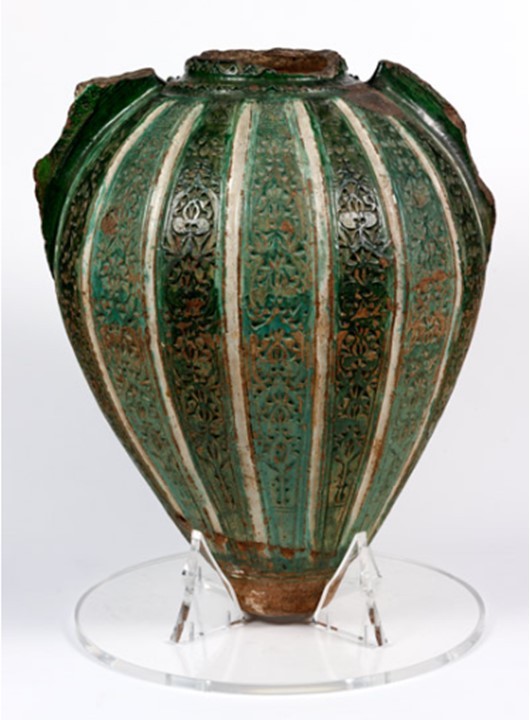
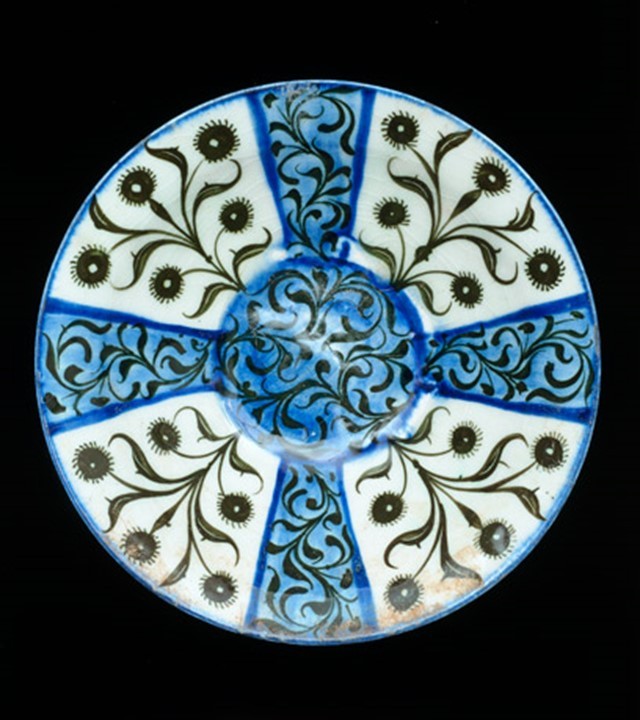
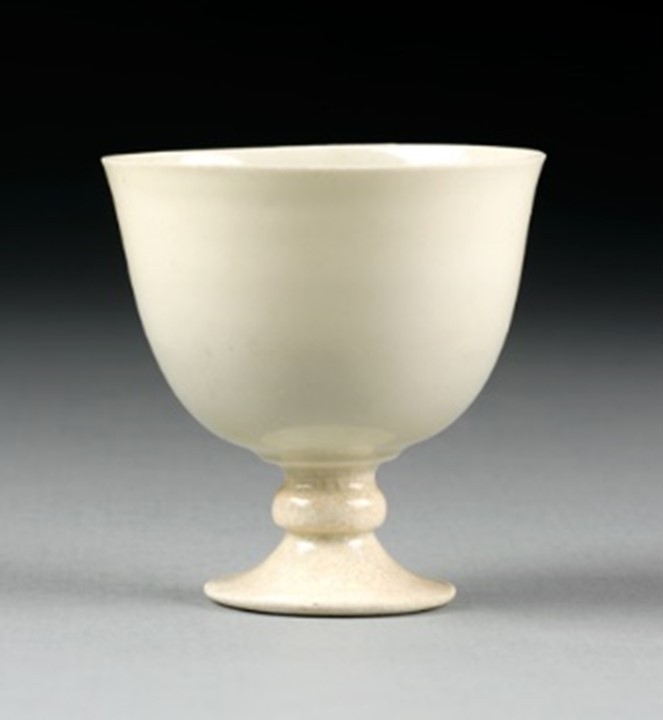
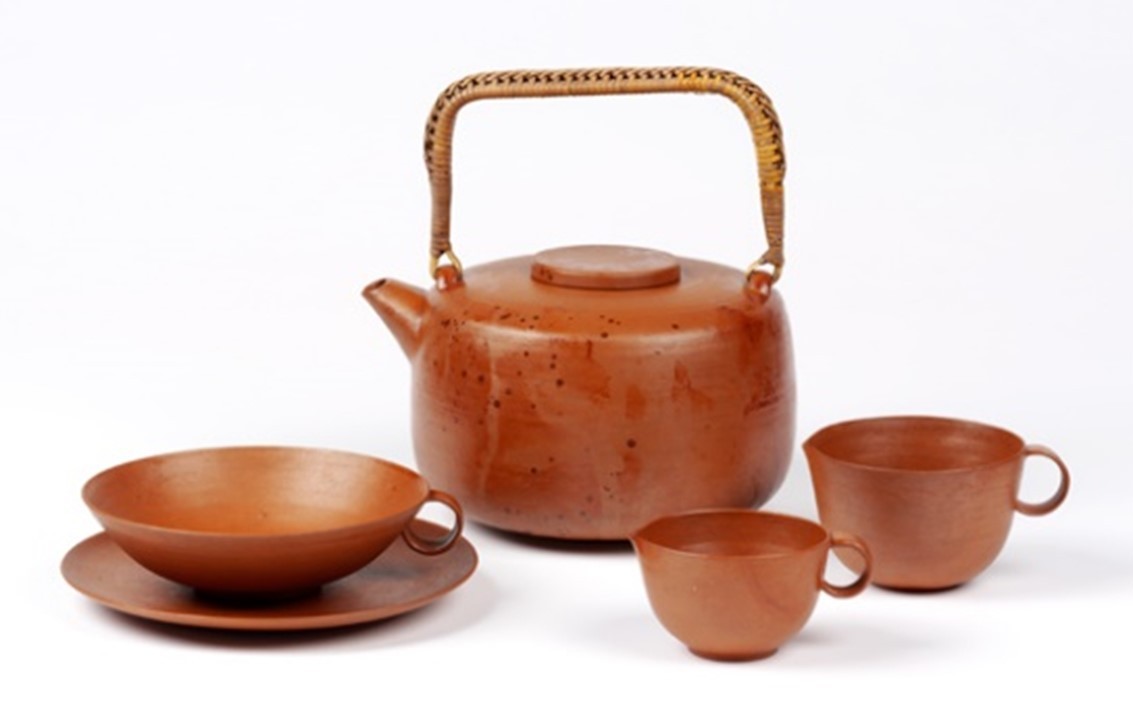
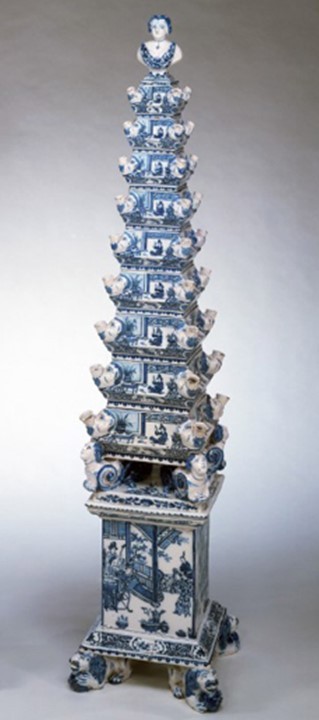
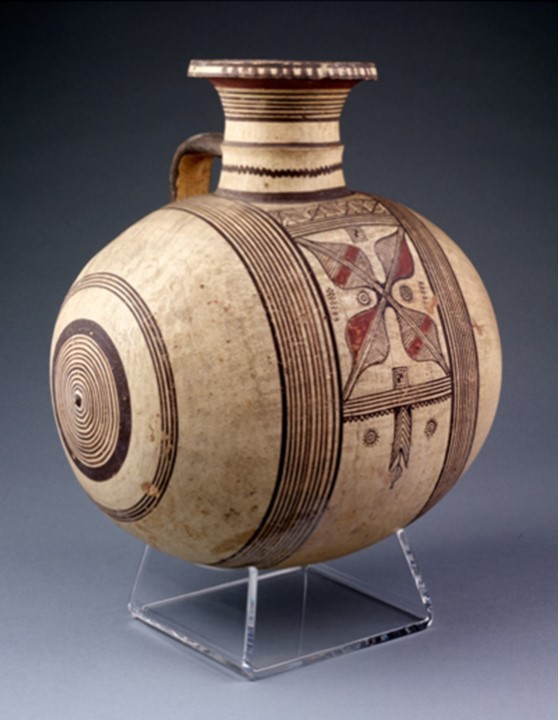
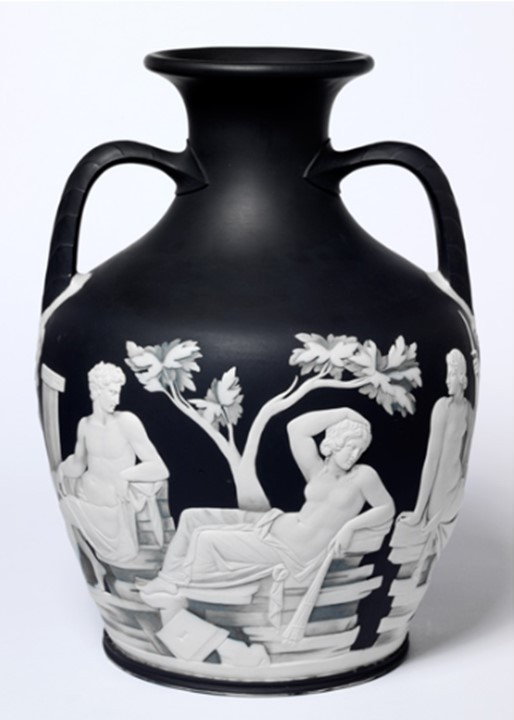
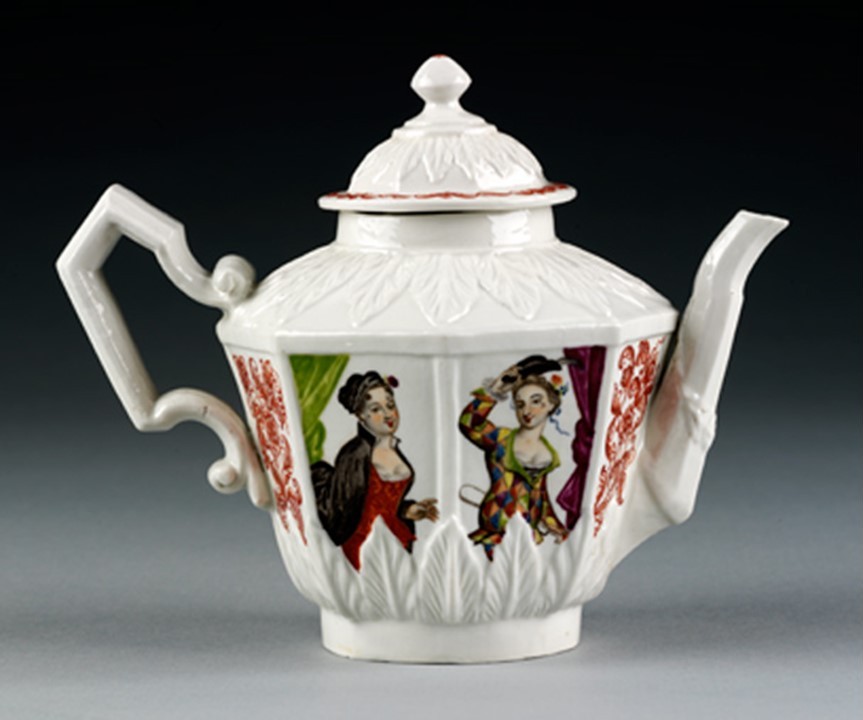
Link for stage 4 will be provided once stage 3 is complete.
Additional pages to explore:
General historical overview:
https://en.wikipedia.org/wiki/Ceramic_art
Major ceramic cultures
Pottery in Antiquity: http://www.ancient.eu/pottery/
Greek pottery: http://www.ancient.eu/Greek_Pottery/
Chinese pottery: https://global.britannica.com/art/Chinese-pottery
http://hubpages.com/art/history-of-pottery-and-ceramics-earthenware-porcelain-china-ware
http://www.christies.com/features/Chinese-Ceramics-Collecting-Guide-7224-1.aspx
Spanish pottery: http://hubpages.com/education/spanish-pottery-early-spanish-ceramic-ware
Iranian pottery: http://www.iranicaonline.org/articles/chinese-iranian-xi
https://en.wikipedia.org/wiki/Persian_pottery
Dutch pottery / Delft: http://hubpages.com/education/dutch-ceramics-delft-pottery-ceramic-art
http://www.delftpottery.com/history.html
UK pottery: http://hubpages.com/education/pottery-early-english-ceramic-ware
https://www.wedgwood.co.uk/history
Roman pottery: https://en.wikipedia.org/wiki/Ancient_Roman_pottery
German pottery/ Meissen: http://www.meissen.com/en/art-works-figurines
Main techniques
https://pottery.netfirms.com/assignments/assign/terms/glossary.htm
- Coiling
- Wheel throwing
- Sculpting
- Slab building
- Slip casting
- Inlay
- Incising
- Stamping
- Painting
- Applied reliefs
Well known potters
Joachim Kändler - https://en.wikipedia.org/wiki/Johann_Joachim_K%C3%A4ndler
Lucie Rie - https://en.wikipedia.org/wiki/Lucie_Rie
Evaluation
At the end of this journey, you should be able to:
|
|
Master |
Skilled |
Developing |
Needs improvement |
|
Describe and analyse images of works of art. |
|
|
|
|
|
Develop criteria for subjective concepts such as beauty, rarity, etc. |
|
|
|
|
|
Express informed opinions regarding the significance and value of a work of ceramic art. |
|
|
|
|
Conclusion
Conclusion
On this webquest, you will have developed an understanding of ceramic vessels, and the influences across historical periods and cultures. You will have laid the foundation for understanding different ceramic forms, functions, historical significance, and critical appreciation of the pieces we have explored.
Credits
Credits
Webquest inspired by:
J. Paul Getty Museum Lesson Plan: ‘Ceramics: A Vessel into History’
Victoria & Albert Museum: Masterpieces of ceramics through the ages
http://www.vam.ac.uk/content/articles/m/masterpieces-of-ceramics-timeline/
Additional pages to explore:
General historical overview:
https://en.wikipedia.org/wiki/Ceramic_art
Major ceramic cultures
Pottery in Antiquity: http://www.ancient.eu/pottery/
Greek pottery: http://www.ancient.eu/Greek_Pottery/
Chinese pottery: https://global.britannica.com/art/Chinese-pottery
http://hubpages.com/art/history-of-pottery-and-ceramics-earthenware-porcelain-china-ware
http://www.christies.com/features/Chinese-Ceramics-Collecting-Guide-7224-1.aspx
Spanish pottery: http://hubpages.com/education/spanish-pottery-early-spanish-ceramic-ware
Iranian pottery: http://www.iranicaonline.org/articles/chinese-iranian-xi
https://en.wikipedia.org/wiki/Persian_pottery
Dutch pottery / Delft: http://hubpages.com/education/dutch-ceramics-delft-pottery-ceramic-art
http://www.delftpottery.com/history.html
UK pottery: http://hubpages.com/education/pottery-early-english-ceramic-ware
https://www.wedgwood.co.uk/history
Roman pottery: https://en.wikipedia.org/wiki/Ancient_Roman_pottery
German pottery/ Meissen: http://www.meissen.com/en/art-works-figurines
Main techniques
https://pottery.netfirms.com/assignments/assign/terms/glossary.htm
- Coiling
- Wheel throwing
- Sculpting
- Slab building
- Slip casting
- Inlay
- Incising
- Stamping
- Painting
- Applied reliefs
Well known potters
Joachim Kändler - https://en.wikipedia.org/wiki/Johann_Joachim_K%C3%A4ndler
Lucie Rie - https://en.wikipedia.org/wiki/Lucie_Rie