Introduction
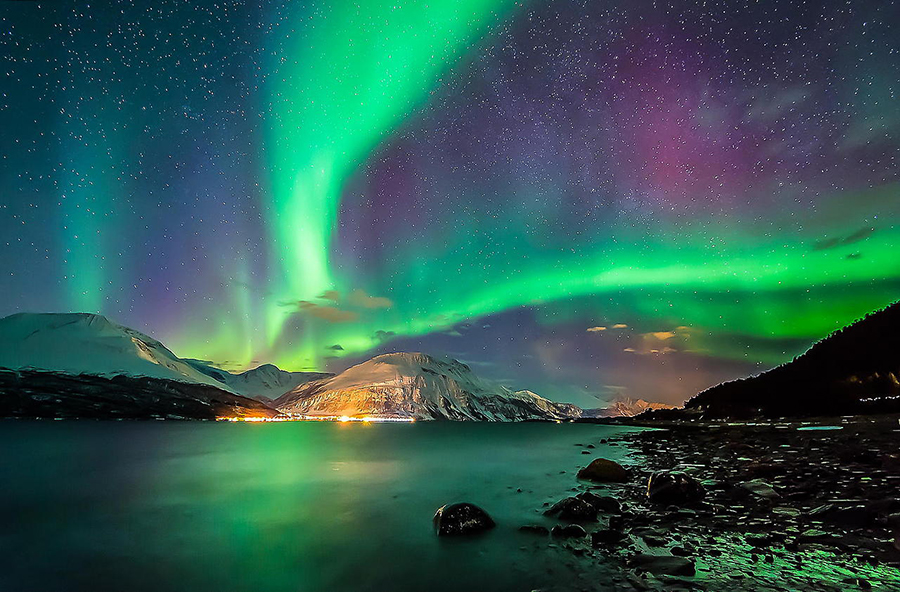
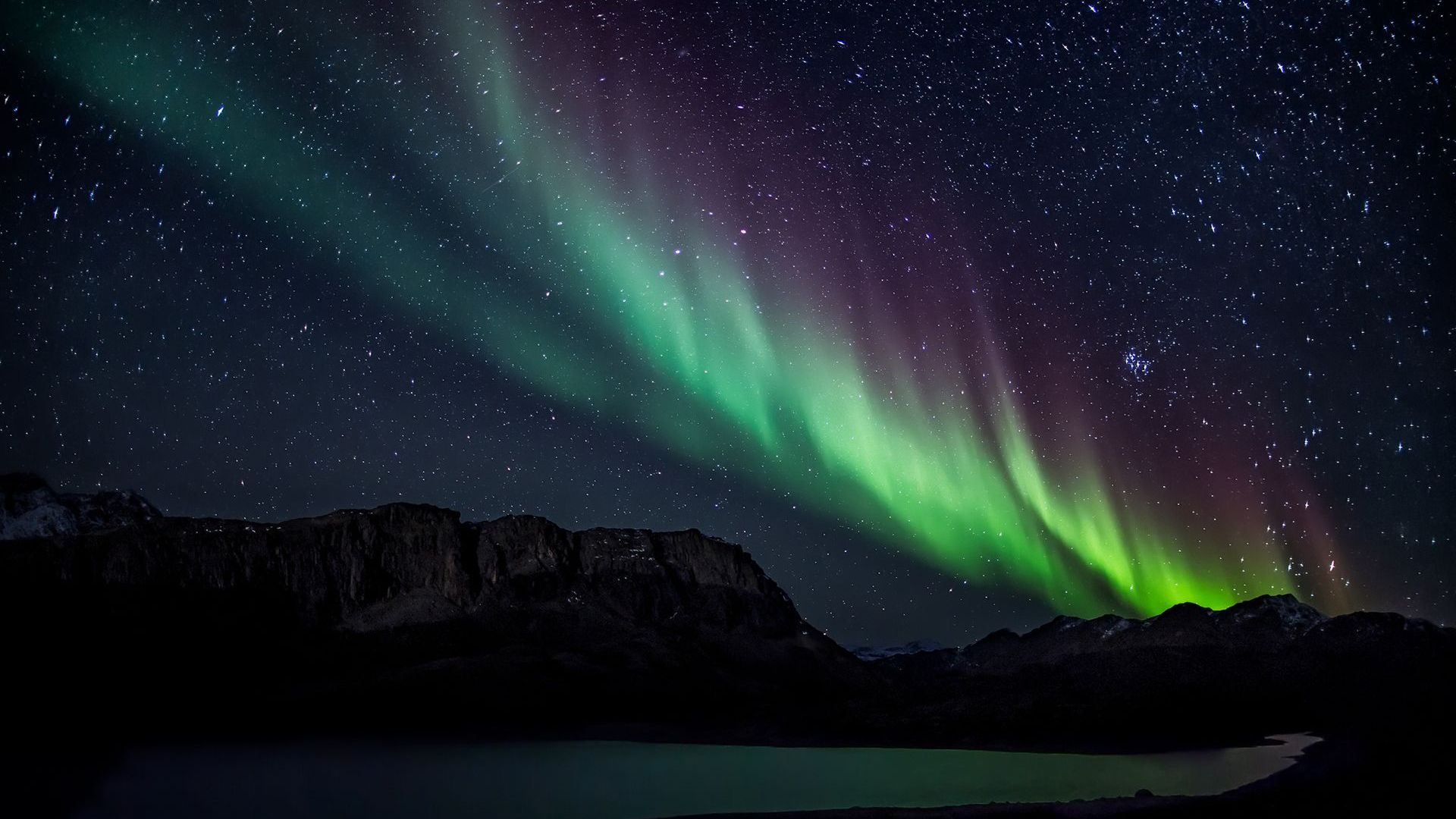
The northern lights (or aurora borealis/aurora australis) is a phenomena that occurs at the northern or southern poles. Dancing lights of different colors appear in the sky during the night near the northern and southern poles.
Task
With a partner, you will write a report that answer the following questions about the auroral lights.
You will also fill in (with colors: be creative) the locations which the auroral lights are most likely to occur on the global map that has been provided to you.
Lastly, you will create your own picture of the auroral lights. You may use any tools that you like, as long as it is your original work and not a photograph off of the Internet. These will be displayed in the classroom.
Process
Here are several websites/videos that are packed with great information to help you:
http://www.visitnorway.com/things-to-do/nature-attractions/northern-lights/
http://www.northernlightscentre.ca/northernlights.html
https://www.youtube.com/watch?v=fVsONlc3OUY
http://www.space.com/15139-northern-lights-auroras-earth-facts-sdcmp.html
https://www.loc.gov/rr/scitech/mysteries/northernlights.html
http://www.geo.mtu.edu/weather/aurora/
http://www.telegraph.co.uk/news/science/11920002/What-causes-the-Northern-Lights-phenomenon.html
http://asahi-classroom.gi.alaska.edu/aurfaq.htm
What causes the auroral lights?
What is the difference between auroral borealis and auroral australis?
What colors can the auroral lights be?
Where do they usually occur?
At what time of day do the auroral lights occur?
Is there a pattern to how often they occur? And if so, what is it?
Is there a link between sun spots and auroral lights?
Why do the auroral lights happen where they do and not all over the world?
What is the link between auroral borealis and auroral australis?
Are the auroral lights more visible when it is warm or when it is cold? Why?
Evaluation
| Content |
10 Clearly answered all questions |
5 Failed to completely answer some questions |
0 Did not answer questions |
| Spelling/Grammar |
10 No spelling/grammar errors |
5 Very few spelling/grammar errors |
0 Many spelling/grammar errors |
| Map |
10 Map is complete and shows understanding of the material |
5 Map is partially complete but is missing several details |
0 Map is incomplete |
| Picture |
10 Picture is creative and demonstrates that the student understands the northern lights |
5 Picture is vague and shows moderate to little effort from the student |
0 No picture or picture fails to demonstrate that the student understand the material |
Conclusion
Hopefully you have learned quite a bit about the phenomena that is the northern lights! Not only are they a scientific phenomena, but they are also a common attraction for tourists and a beautiful sight! Perhaps you will get to experience them in-person one day, if you haven't already!