
Introduction
Animals are all around us. Learning about animals is important for understanding our world. Knowing about the foods, habitats, body coverings and movements of animals can help us care for and protect the animals of our world.
To get started:
Click on each animal and watch the video about them, then answer these ten questions:
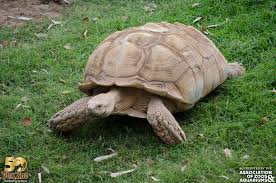
1. What is the "official name" of the huge turtle?
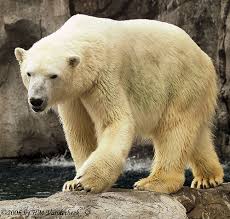
2. What animal lives in Snow and super cold weather?
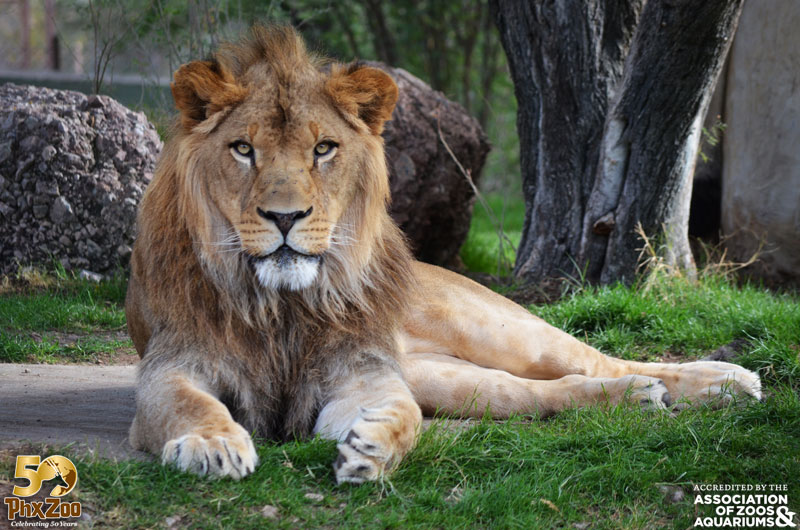
3. Up to how many hours do lions snooze?
4. What animal is the fastest land animal on the planet?
5. How fast can a cheetah run?
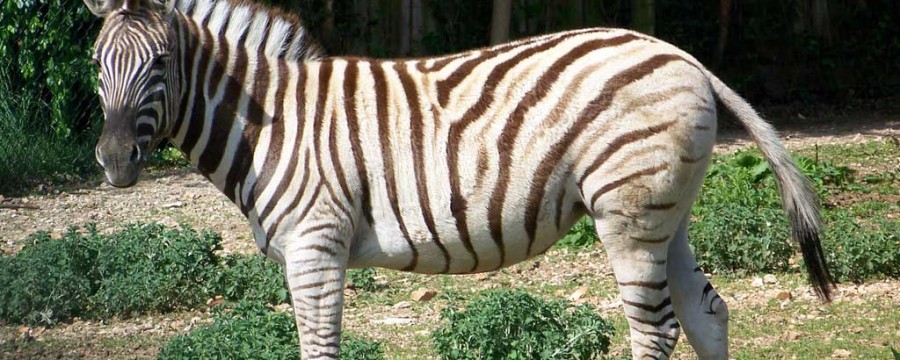
6. Are all zebras stripe patterns a like?
7.Do they think zebras a black with white stripes? yes or no?
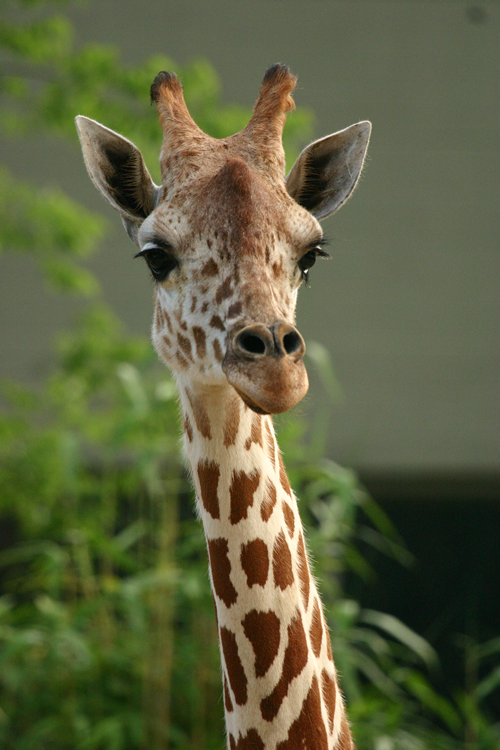
8. What color are giraffes spots?
9. What are there big eyes good for?
10. What do giraffes love to eat?
Task
Your assignment is to help choose the animals for our new school zoo.
You will work with a team of classmates to learn about the different types of animals that we should have in our zoo.
Each group member will search for information about one of the types of animals.
You will use the information you learn about your animal to create a model zoo exhibit.
You should also be ready to convince your classmates that your animal must be in the zoo.
Watch this VIDEO and learn about zoo animals (it may help you decide on one for ur zoo):
Process
- See Miss Fowler for your group assignment.
- Meet with your group to decide what animal type each member will investigate (Arctic, Desert, Rainforest, Ocean, and Woodland).
- Check out the animals in your type using the internet links I have on the introduction page and books if it is a different animal.
- Decide on one animal from your type for the school zoo.
- Complete the Zoo Quest Record Sheet using the internet and books for your animal type.
- Create a diorama, poster, or other model of your animal in its new zoo habitat.
- Meet with your group members to share your animal choice.
- With your group, write a speech to convince your classmates that your group's animals are the best for the zoo. Each group member should have a part to say.
- Display your project and Zoo Quest Record Sheet with the rest of your group's projects.
- Share your project and speech with the class.
Evaluation
Evaluation
|
Webquest Rubric |
4 | 3 | 2 | 1 |
| information on record sheet | At least 5 correct fact are recorded | 4 correct facts |
3 correct facts |
2 or less facts are recorded |
| information displayed in project | The project shows all required information plus more | The project shows all of the required information | The project shows all but one of the pieces of information | the project is missing 2 or more pieces of information |
| use of class time | Used class time well & focused on getting the task done | Used class time well & focused most of the time | Used class time well, focused some of the time | didnt use classs time to focus on project |
| Sharing Time | You always spoke clear, loud and gave 3 reasons to have your animal in the zoo | You mostly spoke slow,loud, and clear. You gave at least two reasons to have your animal in the zoo. | sometimes you spoke slow, loud, and clear. You gave one reason to have your animal in the zoo. | rarely spoke slow, loud and clear, you didnt give any reasons to have your animal in the zoo. |
| Work Quality | work shows your best effort | work shows a strong effort | Work shows some effort from you. | work reflects little effort on your part. |
Conclusion
Learning about animals and their needs is important for all people. When we know about the food and homes that animals need we can help protect them. I hope you enjoyed working on this WebQuest. I also hope you learned about some new and interesting animals.
Standard:
Standard 2.L.5: The student will demonstrate an understanding of how the structures of animals help them survive and grow in their environments.
2.L.5A. Conceptual Understanding: There are many different groups of animals. One way to group animals is by using their physical characteristics. Animals have basic needs that provide for energy, growth, reproduction, and protection. Animals have predictable characteristics at different stages of development.
Credits
Youtube.com
Discoverykids.com