
Introduction
Katie Root
3rd-4th grade
Subject area: mathematics
The purpose of this webquest is to teach students how to use and understand fractions. It will allow students to be able to spot fractions during everyday life. Fractions can be challenging especially when adding and subtracting them. Hopefully this exercise will help ease the difficult that fractions cause.
Task
For this assignment, students are required to view different websites to figure out how to visualize how fractions are composed. At the end, I would like each student to write a paragraph explaining their understanding of each resource provided.
Process
Students will need to view the resources provided to gain and understanding of how fractions are composed. They then should compare and contrast images to see how they differ. Images/websites show fractions in different ways to hopefully assist students understand.
Classroom Resources
These resources provide 2 websites where fractions are explained in detail. There are various images of fractions. If students read through websites they will get a review of what they should already know from the first link and then go a little more in depth on the second. The other links have pictures of fractions in different forms.
https://sites.google.com/a/penncharter.com/grade3/mifchapter14
http://learn.e-limu.org/topic/view/?c=50
https://cdn.brainpop.com/math/numbersandoperations/reducingfractions/screenshot1.png

http://lewamplerlab.weebly.com/uploads/1/9/0/0/1900544/2152607_orig.jpg
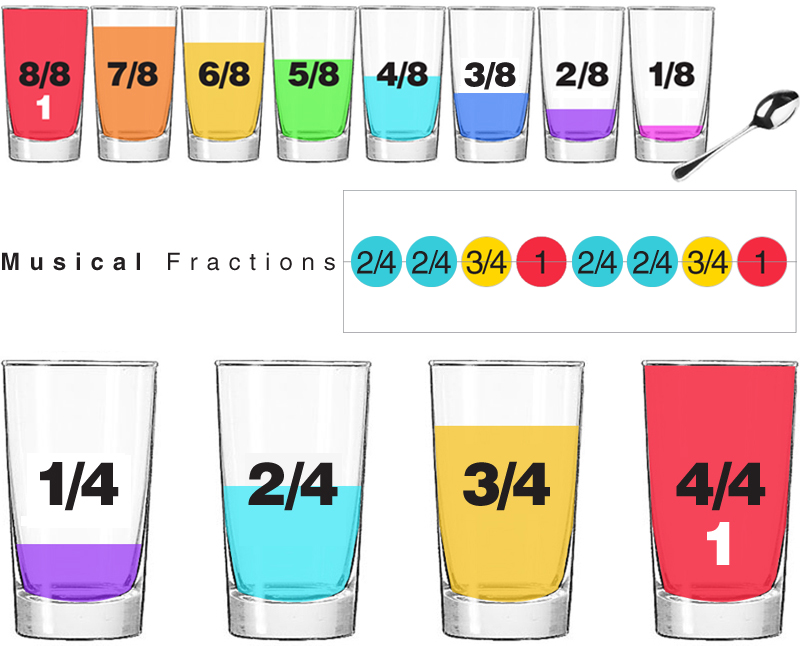
http://www.creteschools.com/vimages/shared/vnews/stories/54da57251ae33/1_maths-fractions.gif


Evaluation
|
|
Beginning 1 |
Developing 2 |
Qualified 3 |
Exemplary 4 |
|
Does student understand how fractions are composed. |
Student does not display any sort of understanding of fractions. |
Student is beginning to grasp the understanding how fractions are made up. |
Student displays satisfactory understanding of fractions. |
Student shows an above and beyond understanding of fractions. |
|
Student would be able to pick out a fraction in everyday life. |
Student was confused by the concept of real life items being fractions. |
Student somewhat understands how items are fractioned. |
Student can explain how everyday items are divided into fractions. |
Student displays a very good understanding of real life items in relation to fractions. |
|
Can student distinguish between equal fractions that have different denominators? |
Student did not show awareness of multiple fractions being equal to one another. |
Student could understand simple fractions equating to simple fractions. |
Student for the most part understood why and how different fractions equal each other. |
Student fully understands when and why fractions with different denominators equal one another. |
Conclusion
Students should have gained a better understand of how fractions work and seen fractions in different forms. Hopefully students will see how fractions are presented in real life.