
Introduction
"It's a sin to kill a mockingbird" ~Atticus Finch
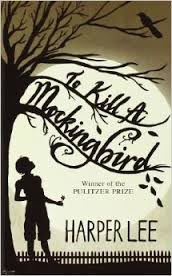
The purpose of this webquest is to introduce you to a quick overview of some of the historical content occurring during the time of the setting of our upcoming novel, To Kill A Mockingbird by Harper Lee. Although the novel was written in 1960, it is set in 1930's America in the small town of Maycomb County, Alabama. This information will not only set up background knowledge, but will help us in our comprehension of the characters and their conflicts. Although the novel is fictional, it is based on real historical events during this time period. With this knowledge in place, we will be better able to analyze and evaluate one of (if not the) most notable American classic of all time.
Task
You will be reading through articles, watching videos and syntehsizing information in order to become an expert on your particular topic area. Your task is to be able to share information with your peers in order to create a comprehensive idea of what America looked like in the 1930's.
Process
Step 1: In your groups of 4, you will be select a specific section in which you will read the articles, watch any videos, and complete the comprehension questions; these will be shared with you on a Google Doc. You will find more detailed instructions for your specified section on that document. Also, there are links under "Interesting Facts" that you may want to take a look over to give you a better idea of the topic--includes statistics, photos, etc.
Groups:
1. Scottsboro Boys/Trial
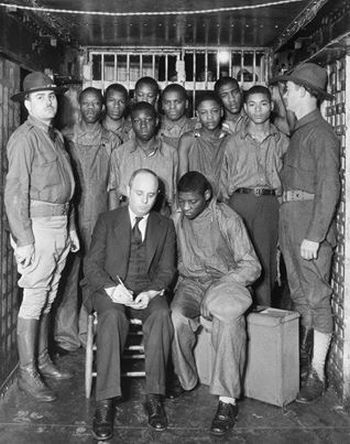
http://www.blackpast.org/aah/scottsboro-boys-trial-and-defense-campaign-1931-1937
Interesting Facts: http://law2.umkc.edu/faculty/projects/ftrials/scottsboro/scottsb.htm
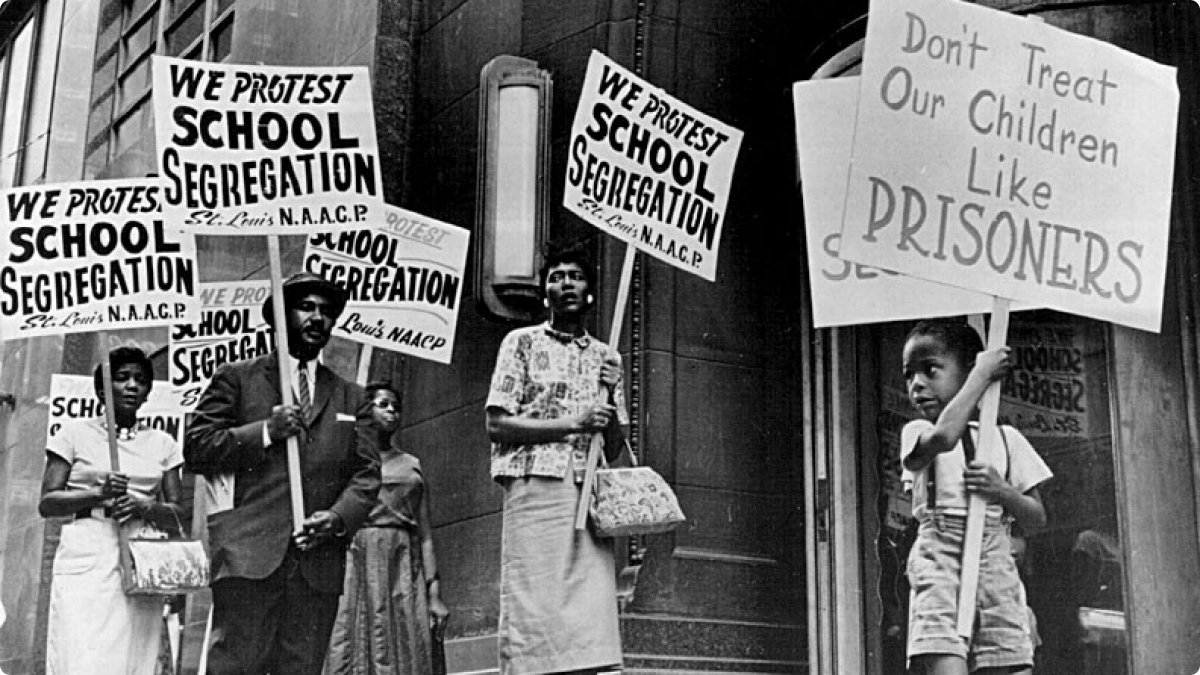
2. Jim Crow Laws
http://www.pbs.org/wgbh/americanexperience/freedomriders/issues/jim-crow-laws/
http://www.ferris.edu/jimcrow/what.htm
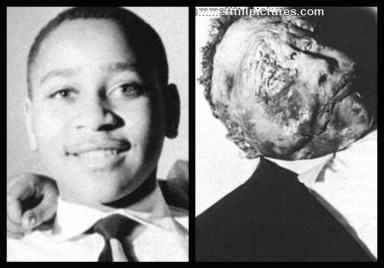
Emmett Till's death was highly profiled during the time and creation of the Jim Crow Laws. See the link below for his story and interesting facts surrounding his death, which ultimately lead to the U.S. Department of Justice reform.
http://www.pbs.org/wgbh/amex/till/
3. The Great Depression
http://www.history.com/topics/great-depression
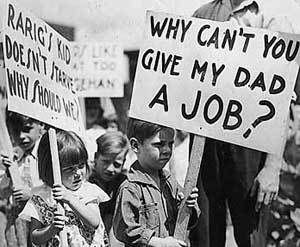
Interesting Facts: http://great-depression-facts.com/
4. Harper Lee
Interview from 1964: http://web.archive.org/web/20070630230531/www.chebucto.ns.ca/culture/HarperLee/roy.html
Bio: http://www.biography.com/people/harper-lee-9377021#synopsis
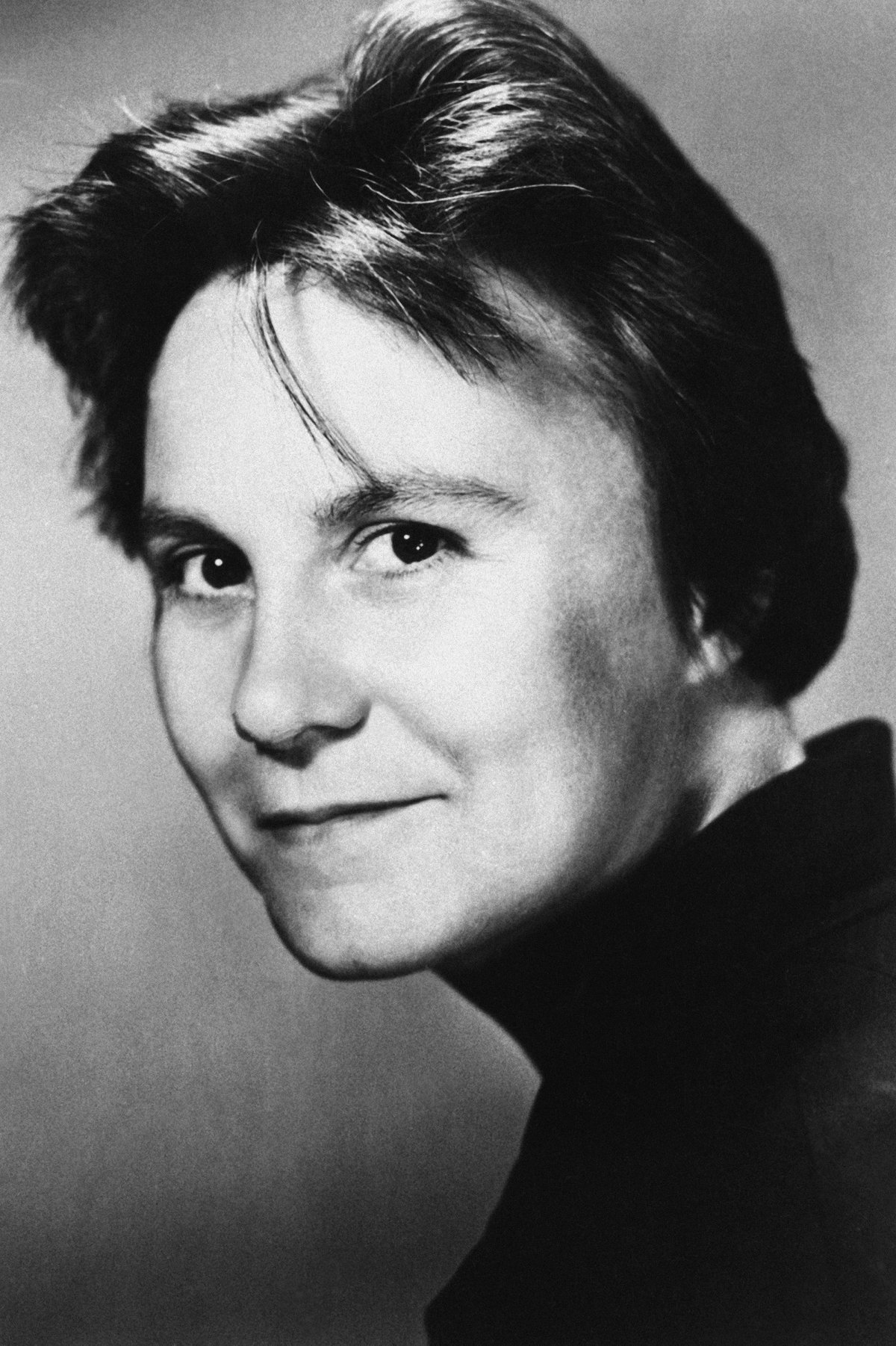
Interesting Facts: http://www.harperlee.com/bio.htm
Step 2: You will then be jigsawed out into new groups in order to share and dissect the information so that each member of your new group has the necessary information.
Evaluation
You will be expected to share this information with the members of your new group. This information will serve as background information for the context of our novel. You will be graded on the completion and accuracy of your responses.
Quick Rubric:
1. Your specified section questions: _____10
2. Interpretation and comprehension of other groups' content:_______10
3. Inferencing and critical thinking questions answered appropriately: _______10
TOTAL: ______/30
Conclusion
Be prepared to connect these topics and/or overarching ideas to the content of To Kill A Mockingbird. We will see evidence of racism, segregation, hardships, the effects of the Great Depression and our author's overall perspective of society within the novel.
Here are some quick statistics about our upcoming novel:
~ sold over 30 million copies worldwide
~Oscar winning film (1962)
~In 2008 voted the "greatest novel of all time." Below is the list of the top 10:
1. To Kill A Mockingbird - Harper Lee
2. Lord of the Rings - JRR Tolkien
3. The Lion, the Witch and the Wardrobe - C.S Lewis
4. Pride and Prejudice - Jane Austen
5. The Da Vinci Code - Dan Brown
6. Wuthering Heights - Emily Bronte
7. Animal Farm - George Orwell
8. Great Expectations - Charles Dickens
9. Harry Potter and the Prisoner of Azkaban - JK Rowling
10. Lord of the Flies - William Golding
~Most widely read book in grades 9-12
~In 2006, British librarian society named it the #1 book to read "before you die"
~After being published, Lee expected her novel to have a "quick merciful death" and be received poorly by critics
~Took her 2-3 years to write and finish editing; began writing when she was 15
~Won multiple awards, including the Pulitzer Prize
~Honored with the Presidential Medal of Freedom
~Themes of: Courage, Confidence, Loss of Innoncence and Coming of Age
Credits
-Google Images
-NyTimes, The Telegraph
-PBS.org
-All websites credited as sources