
Introduction
 Welcome to the world of FOSSILS!!
Did you know that our small planet that we call "Home" is full of all sorts of fossils from big to small ones, and we need young explorers like you to come and help us discover the hidden fossils that are yet to be found!!!
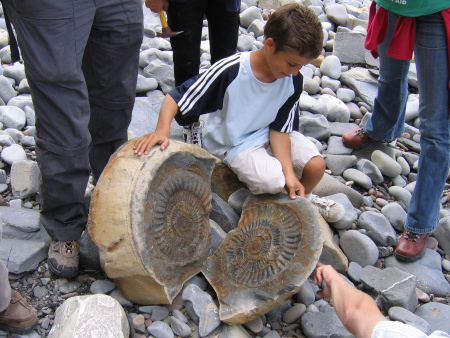
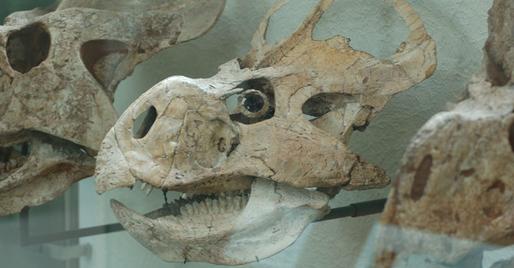
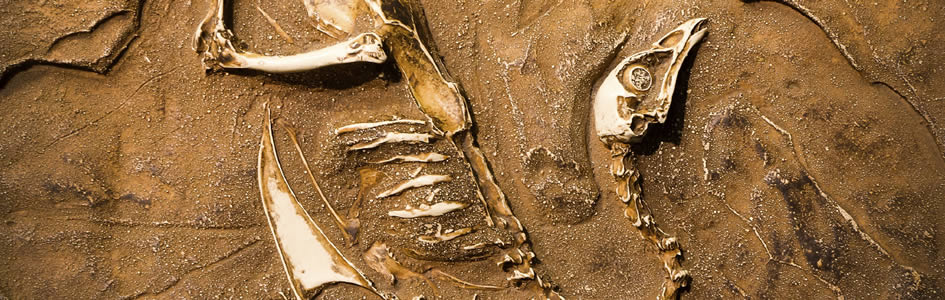
LET THE FOSSIL HUNTING BEGIN!!
Task

This is a call to ALL the young explorers out there! Today we are exploring the world of FOSSILS.
By completing this Webquest you on your way to becoming a top notch archeologist, but before you begin we need you to follow a few steps.
1)The class will split into two groups and answer questions in respect to their group's category. Group 1 will be Group Herbivore and Group 2 will be Group Carnivore.
2)Take a piece of paper and assign a group leader, you will then answer the quesions provided in respect to your particular group
3) Once answered both groups will come together to SHARE their findings as well as educate the opposing group; How are the fossils, processes of identifying etc. for herbivores and carnivores different or similar?
4)Once you share the findings, as a group fill in the answers the opposing group discussed with you on your group paper.
5)Grading will be based on the two group papers turned into your instructor as well as collaboration in each group so PARTICIPATION is key.
Now it is time to begin your quest in becoming a pro archeologist! proceed to the process to access the questions.
Process
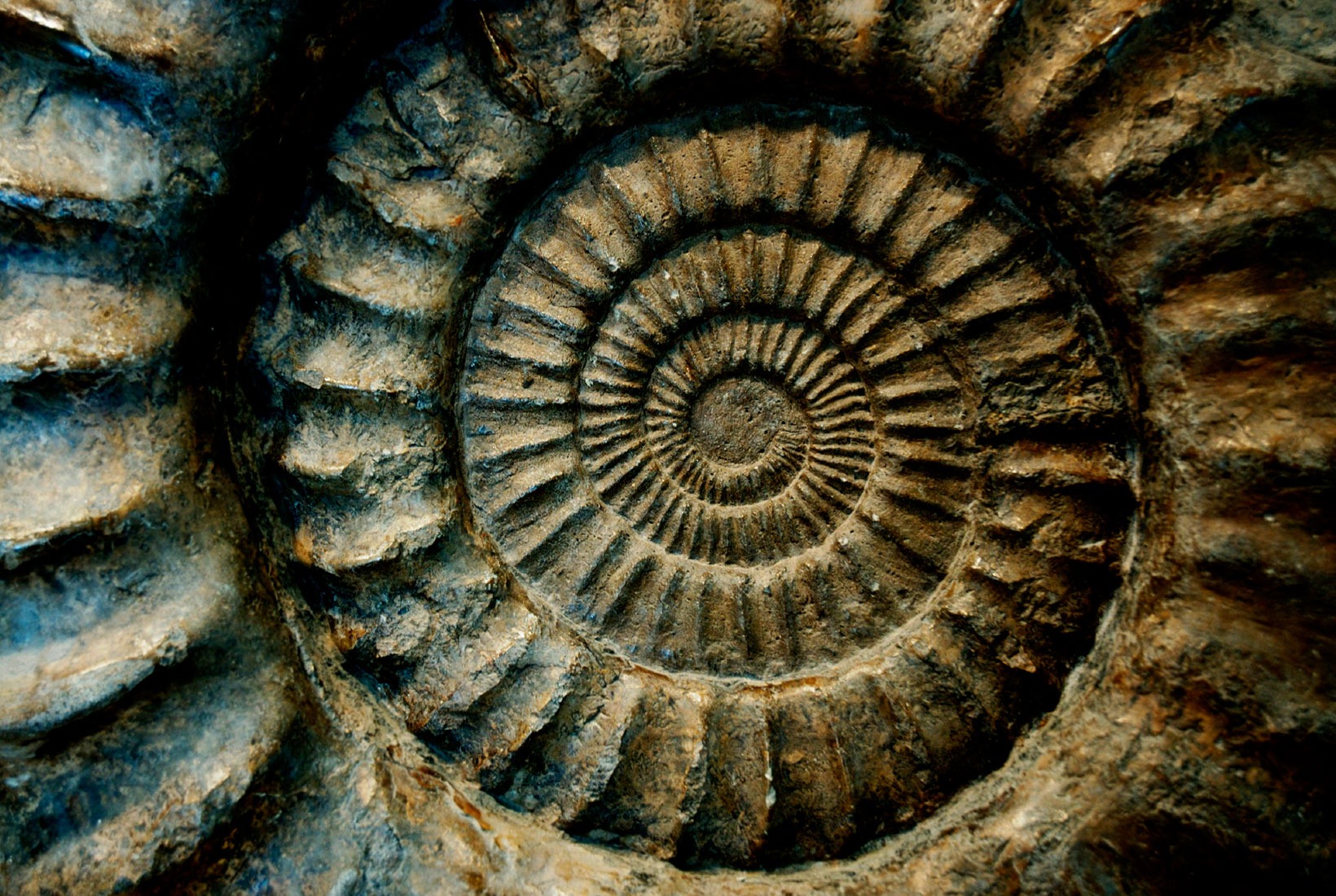
Use the links found below each question to help you solve them!
1. How many types of fossils are there?
https://pubs.er.usgs.gov/publication/70010183
-----------------------------------------------------------------------------------------------------
2. How are fossils formed?
http://australianmuseum.net.au/how-are-fossils-formed
-----------------------------------------------------------------------------------------------------
3. How are fossils found?
http://australianmuseum.net.au/how-are-fossils-found-and-excavated
----------------------------------------------------------------------------------------------------- 
4. Why do most living things not leave fossils behind?
http://www.k5geosource.org/2activities/1invest/fossils/pg2.html
-----------------------------------------------------------------------------------------------------
5. How do scientists determine the age of fossils?
http://naturalhistory.si.edu/exhibits/backyard-dinosaurs/questions-answers.cfm?know=a24
-----------------------------------------------------------------------------------------------------
6. How do you determine what type of species a fossil is?
http://www.k5geosource.org/1content/1sc/fossils/pg10.html
-----------------------------------------------------------------------------------------------------
7. What is the longest and heaviest set of bones ever discovered?
http://www.bbc.com/news/science-environment-27441156
-----------------------------------------------------------------------------------------------------
8. Where was this speciman found?
http://www.bbc.com/news/science-environment-27441156
-----------------------------------------------------------------------------------------------------
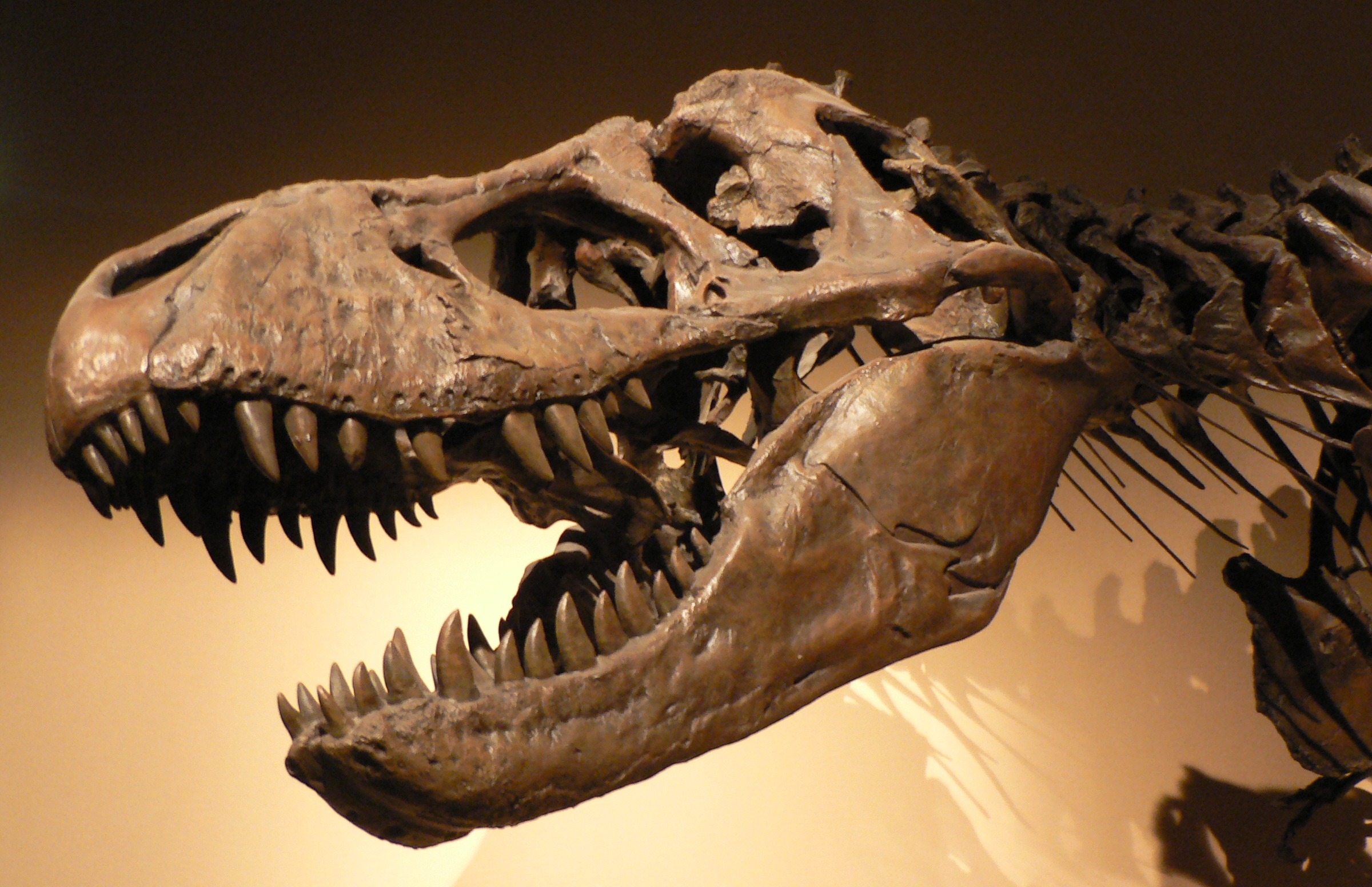
Sources:
- Top Image: http://thefossilshop.com/
- Bottom Image: https://en.wikipedia.org/wiki/Fossil
- http://www.clker.com/clipart-26473.html
Evaluation
There are 8 questions that must be answered. You will be graded on 2 categories: The answers you give and how they are given; and Grammar, spelling, and punctuation. Each question will be worth up to 5 points each, for a possible total of 80 points. Additionally, after completing your group’s questions (on either herbivores or carnivores), you will join up with the other group to complete the questions about their type of dinosaur. This class participation portion will be worth 20 points, bringing the total possible score to 100 points. This is a group project, so every group member will receive the same grade. Furthermore, each group leader will be responsible for making sure each answer given has been thoroughly researched. The idea is to learn to work as a team and if someone is struggling with one of the questions, help them out, even if you have already answered your question.
Grading Scale: Answers to group questions
Excellent – 5 points – Answer is clear, concise, correct, and is answered in complete sentences
Good – 4 points – Answer is correct, but a little more information would be helpful. Complete sentences are used.
Fair – 3 points – Answer is correct, but only minimal information is given; Answer is not given in complete sentences
Poor – 2 points – Answer is incorrect; Answer is not given in complete sentences
Incomplete – 0 points - No attempt was made to answer the question
Grading Scale: Grammar, Spelling and Punctuation
Excellent – 5 points - Answer is grammatically correct, and there are no punctuation or spelling errors
Good – 4 points – Answer is mostly correct grammatically; There are minimal punctuation and spelling errors (1-2 errors)
Fair – 3 points – A little more care could have been taken to check grammar, punctuation, and spelling (3-5 errors)
Poor – 2 points – There are many errors in grammar, punctuation, and spelling. With so much technology available today, this is unacceptable. However, an attempt was made to answer the question, so that counts for something (6+ errors)
Incomplete - No attempt was made to answer the question
Conclusion

Congratulations on completing the assignment! Now you are a JUNIOR ARCHEOLOGIST and is ready to hit the fields!
You have learned:
- How Archaeologists determine the age and species of a fossil.
- How many types of fossils thier are.
- How fossils are formed.
- How are fossils found.
Through completing this fossil hunt you have acquired significant knowledge of Fossils!
Now go and discover some of your own fossils!
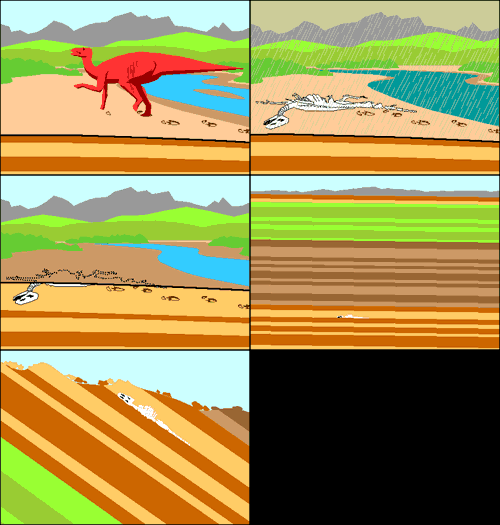
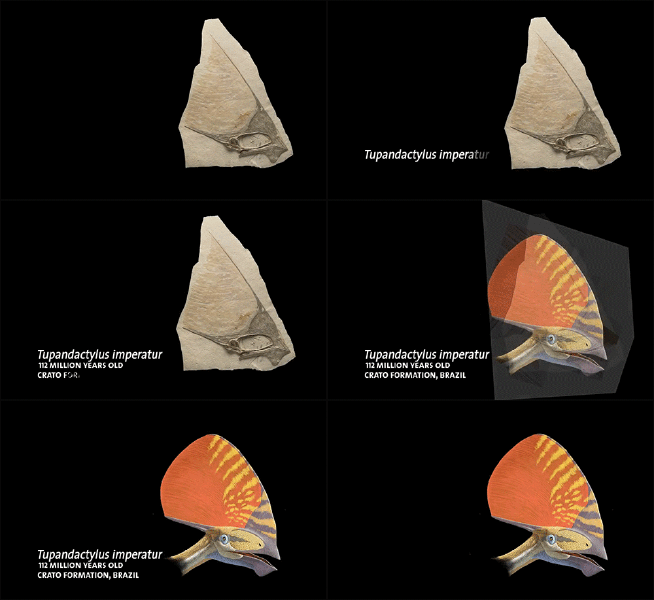
- Picture 1 shows you what dinosaur bones goe through.
- Picture 2 shows what the dinosaur would have looked like.
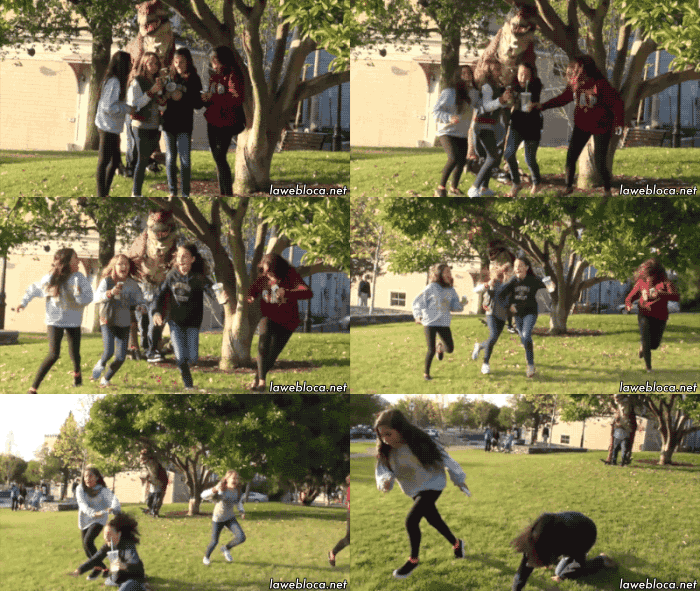
- Picture 3 shows that even though dinosaurs are not around that they are still scary!!
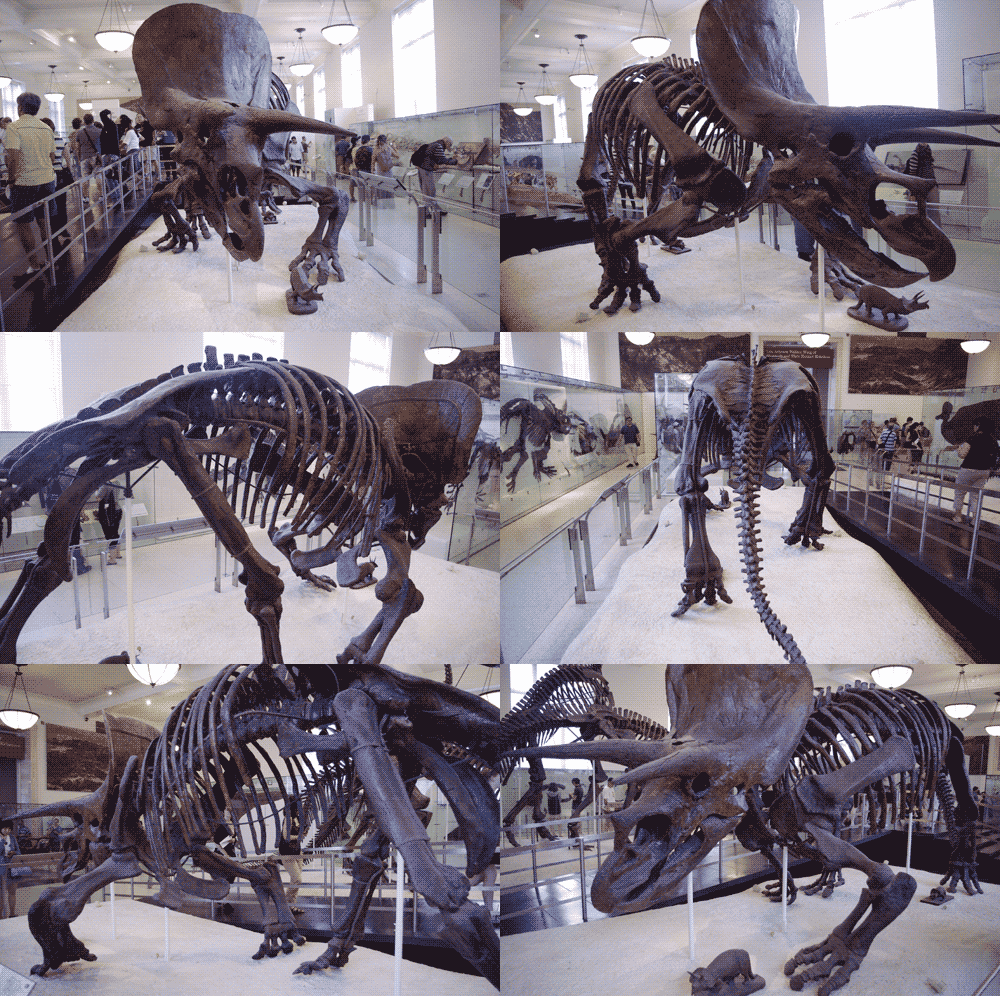
- Picture 4 show a Triceratops! Did you know? The Triceratops is the state dinosaur of Wyoming!