
Introduction

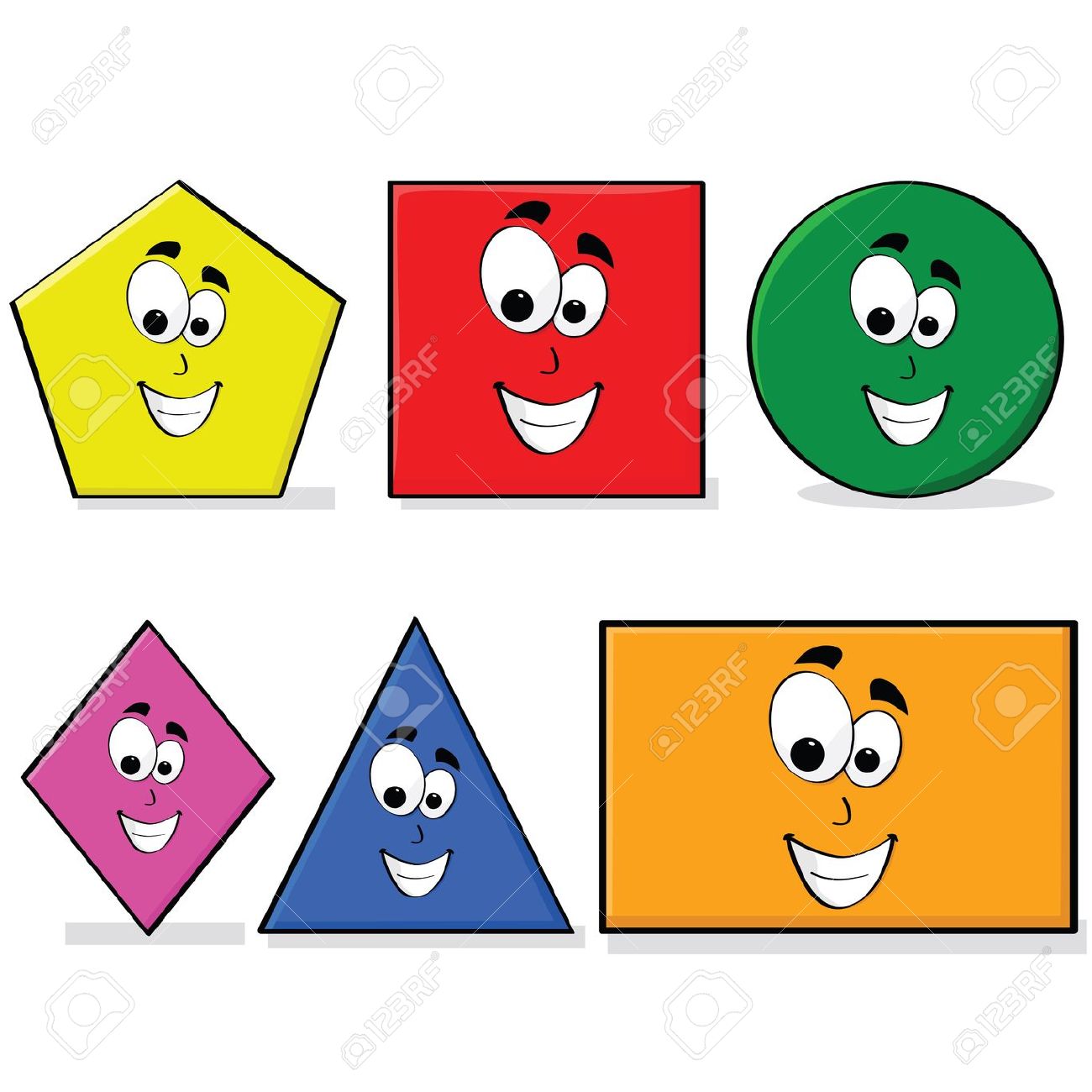
Students will read, watch videos, and examine pictures, to learn new shapes. Once they have learned new shapes, students will learn to find shapes in everyday life. From bowling balls, to stop signs, to their books. They will be learning the following shapes:
- Circle
- Square
- Triangle
- Rectangle
- Oval
- Diamond
- Pentagon
- Hexagon
Task
Students need to get into partners.
First we will learn a few different shapes. Lets start with basic shapes. This is a Circle.  We can find circles everywhere. Look around the classroom and try to find a circle around you. This is an orange slice. Do you see how the circle has not beginning and no ending. Also how there are no flat sides. A circle is one continuous round line.
  This is an Oval.
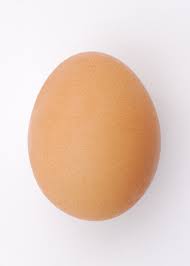
 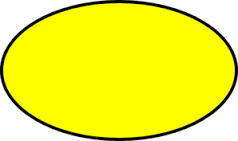 Do you see any ovals in the classroom?An egg is an oval. Ovals look very similar to circles, just stretched out a little. The biggest difference between a circle and an oval is that an oval isn't perfectly round. Ovals are a bit longer on two sides.
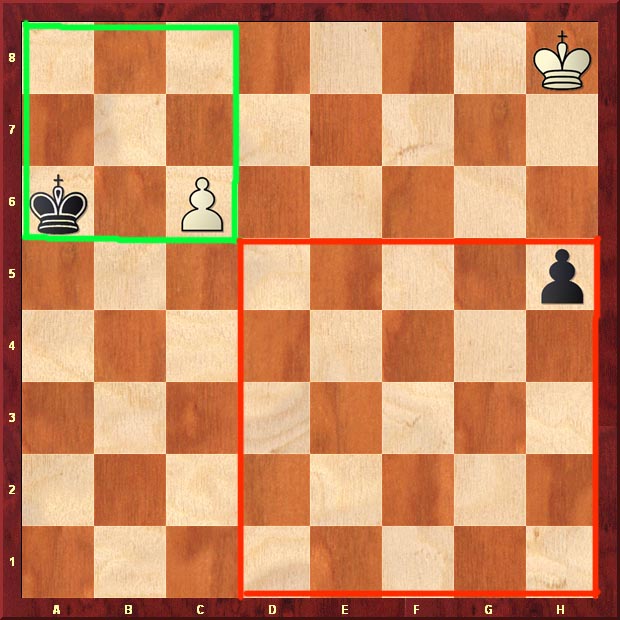
  This is a Square.
 Look around the classroom and see what squares you can find. A chess board is an example of a square that we use frequently. Do you see how the chess board has four flat sides, and four corners. The four sides of a square are all the same size.
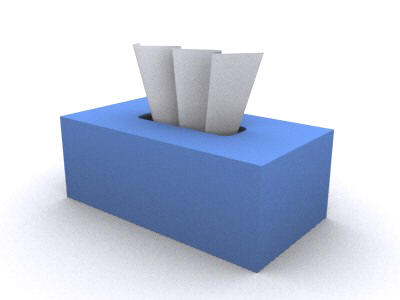
  This is a Rectangle.
  Do you see any rectangles around you?This is a tissue box. Do you see how the tissue box has two long sides and two shorter sides? That's what makes it a rectangle. Rectangles look very similar to squares, but instead of all the sides being the same length, there are two shorter and two longer. Both square and rectangle have four corners and four sides.
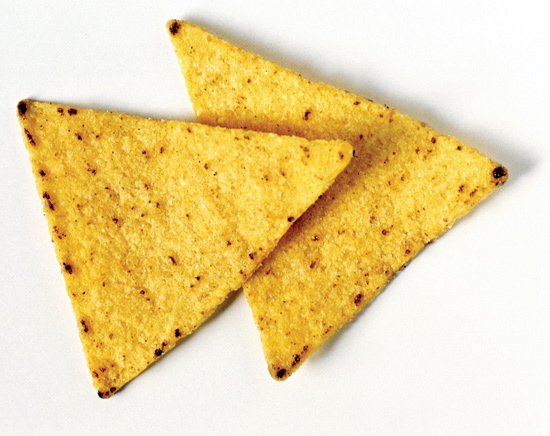
  This is a Triangle.
 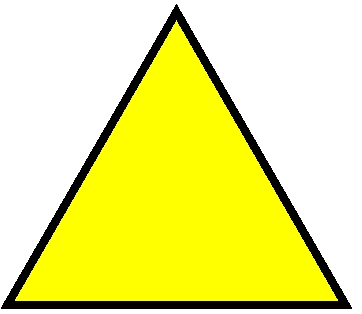 You and your partner should look around the room and see if you can find a triangle.These chips are triangles. There are four different types of triangles. Isosceles, right, scalene, and equilateral. Both the triangle and the chips I've showed you are equilateral triangles. All triangles have three sides, and three corners.
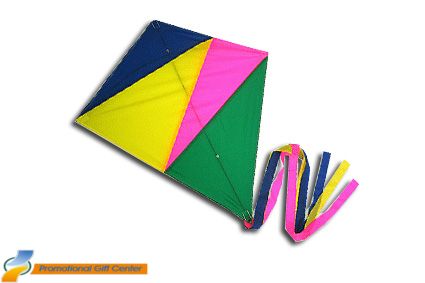
  This is a Diamond.
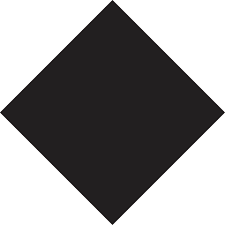 These next few shapes might be a little bit harder to find the in the classroom. Your partner and you should still try and look for them.. This Kite is a diamond. Diamond have four sides, and four corners. The four sides are the same length.
  This is a Pentagon.
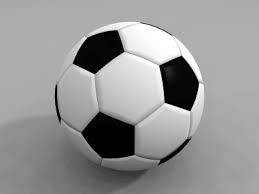
 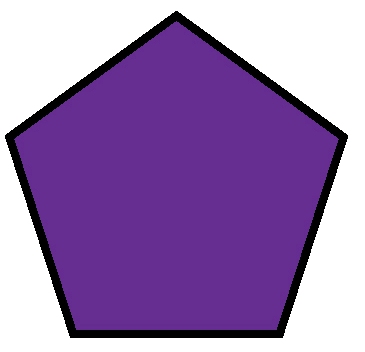 This soccer ball is covered with pentagons. Even though the soccer ball is round, it's covered in pentagons. Pentagons have five sides, and five corners.
  This is a Hexagon.
 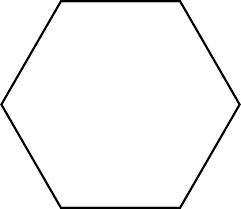 This stop sign is an example of a hexagon, which we see everyday. Hexagons have six even sides, and six corners.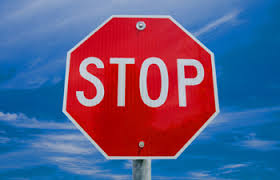
Process
Now we will use our new knowledge about shapes to play some shape bingo.
The class will come back together as a class. Everyone will get a shapes bingo board. The teacher will cll out shapes and you need to cross them off until you get three across. When you get three in a row you will yell bingo.
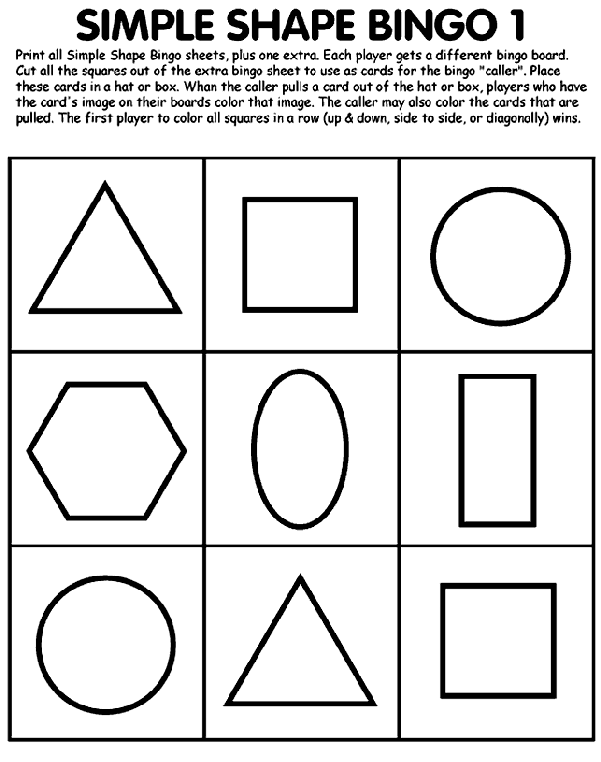
Now for the last step. Watch this video for a final bit of practice.
[video:https://www.youtube.com/watch?v=w6eTDfkvPmo width:320 height:320 align:left]
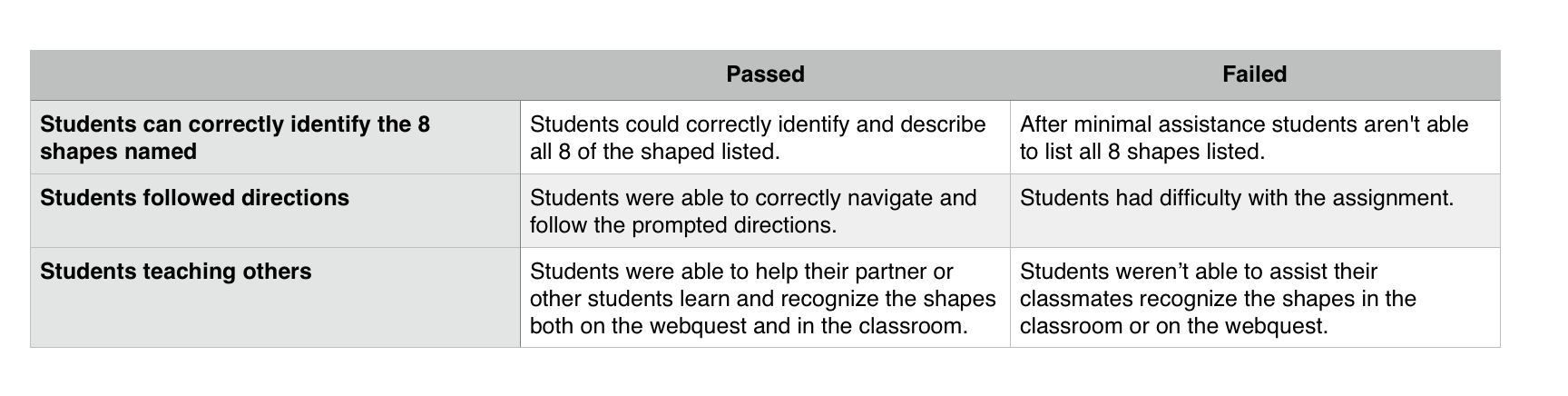
Evaluation
Conclusion
Congratulations
You now know 8 more shapes and where to find them everyday. You learned the differences between a circle and oval, a square and rectangle, and triangle and diamond.
Make sure you can find an example of each shape in the classroom around you.
-Circle
-Oval
-Square
-Rectangle
-Triangle
-Diamond
-Pentagon
-Hexagon
Now everyday look and identify the shapes around you.