
Process
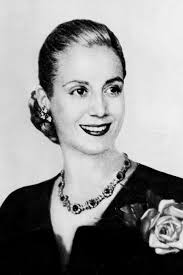
¡Bienvenidos al Webquest sobre Eva Perón! En este Webquest, vas a aprender sobre Eva Perón (Evita). ¡Vamos!
Vocabulario
Define las palabras de vocabulario en el papel. Sugiero que uses http://www.spanishdict.com/
En este parte, usa las enlaces (links) para contestar las preguntas en el papel.
Los raíces de Evita
http://www.me.gov.ar/efeme/evaperon/infancia.html
Sueños a ser una actriz
Juan Perón y Evita se conocen
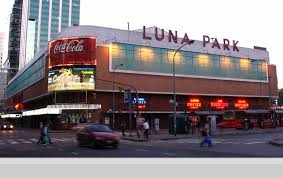 http://www.elciudadanoweb.com/cuando-juan-conocio-a-eva/
The Politics of Evita (preguntas 17-20)
http://www.telesurtv.net/english/opinion/Eva-Peron-at-the-Heart-of-Womens-Vote-in-Argentina-20141110-0041.html
Breve historia de la Cuidad Evita (preguntas 20-22)
Los terrenos que hoy conforman Ciudad Evita tuvieron diversos dueños desde el siglo XVII hasta su delimitación definitiva, situación que llegaría recién cuando el presidente Juan Domingo Perón por Decreto 33221 del año 1947 expropia las tierras para erigir en ellos una ciudad que debería contar con 15.000 viviendas. La gran cantidad de viviendas ameritó también la inclusión en el proyecto de bibliotecas, escuelas, centros deportivas y templos, todo lo cual convirtió a este proyecto más en una ciudad que en un típico barrio obrero de la época. Este hecho se ve reflejado en el nombre mismo dado a la urbanización; el culto a la personalidad de Eva Duarte quedó claramente reflejado en que el diseño elegido para la circunscripción original, el cual proporciona el perfil de Eva Duarte de Perón, con su clásico rodete. Hasta 1963 estuvo administrada por el Banco Hipotecario Nacional, el cual cubría todas las actividades administrativas, salvo algunos servicios públicos que eran prestados por el Municipio de La Matanza.
En 1963 la administración pasa a manos de la Municipalidad de La Matanza, la cual comienza la subdivisión de lotes y apertura y nomenclatura de las calles. En 1960 se comenzó a construir el barrio Vemme, cuyas casas se entregaron entre 1963 y 1967. El siguiente barrio en construirse fue el barrio Alas, a instancias del Cuerpo de Suboficiales y Oficiales de la Brigada Aérea de Morón. Finalmente entre 1973 y 1974 en la sección 2ª se habilitan las primeras viviendas del barrio U.P.C.N.
El nombre de la localidad fue cambiado en tres ocasiones por los gobiernos militares, habida cuenta de que hace referencia a Eva Duarte, esposa del Presidente Perón, cuyo gobierno fue derrocado en dos ocasiones por regímenes militares. En el primer cambio se la denominó Ciudad General Belgrano, luego recuperaría su nombre original; en el tercer cambio volvió a llamársela Ciudad General Belgrano, y luego nuevamente en Ciudad Evita. El último y definitivo cambio lo vivió con el retorno de la democracia en 1983, el cual anularía el nombre de Ciudad General Martín Miguel de Güemes impuesto en 1977 por otro régimen militar.
En 1997 los terrenos ocupados por esta localidad fueron declarados lugar histórico nacional.
Su muerte
No hay enlace... Lee este articulo a bajo
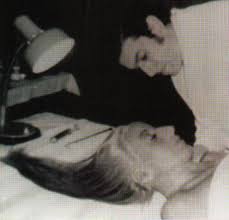
Carted thousands of miles and kept on her husband's dinner table: How the remarkable story of Evita carried on after her death
by: Steve Myall
IF Madonna ever makes a sequel to her movie Evita, it will be one of the most bizarre films to hit cinema screens.
For the death of Argentine folk heroine Eva Peron 60 years ago this month was not the end of the fairytale story of the poor farmer’s daughter who became one of the most powerful women on earth.
While the legend of Evita continued to grow around the globe, Eva’s embalmed body was being carted around the world for two decades.
Even in the 70s, when Tim Rice and Andrew Lloyd Webber were writing Don’t Cry For Me Argentina, the most famous song from their musical Evita, her body was on a 14,500-mile adventure.
Her political opponents feared Evita’s grave would become a shrine and focus for revolt so they hatched a plan to spirit her body out of the country.
What followed was a macabre grand tour round Europe before finally ending up in Madrid, on the dining room table of her exiled husband’s mansion.
Stories abounded of soldiers dancing with it, shrines appearing wherever it was hidden and the magical powers it held.
When Eva died at just 33 on July 26, 1952 from cervical cancer, her popularity was stronger than ever.
Her death was announced on all radio stations, shops closed, restaurants, bars and cinemas emptied and national mourning began.
Such a crowd gathered outside the presidential palace that eight people were killed in the crush and 2,000 needed hospital treatment.
The mass outpouring of grief for “the spiritual leader of the nation” continued around the state funeral before the body of the former actress was prepared for public display in capital Buenos Aires.
Her hair was dyed blonde and her nails painted one last time and then two million people filed past her open coffin.
Specialist Spanish embalmer Dr Pedro Ara was tasked with preserving Eva better than Lenin, ready for her body to be placed in a mausoleum which would be bigger than the Statue of Liberty.
For two years Ara worked painstakingly until his incredibly lifelike work was complete.
But all the plans for a monument to Evita came to nothing when, in 1955, her husband President Juan Peron’s regime was overthrown by the military and the president fled to Spain.
Fearing Evita’s body would become a rallying point for the opposition, it was seized by soldiers.
Expert Dr John Kraniauskas, of the University of London, says: “Eva’s body stood for power, iconic political power, and she also represented women.
"So her body was something people wanted to get their hands on. They had it in a box hidden in an office by military personnel at one point.
"The rumours were they’d take the body out and dance with it.”
Initially the army commandant charged with guarding the corpse refused to have it on his base.
So, hidden in a wooden crate marked “radio equipment” it was left in a van parked in Buenos Aires, at the city’s waterworks, behind a cinema and in the attic of military intelligence.
But somehow, at every location the news leaked out and shrines of burning candles and flowers would appear.
Dr Kraniauskas says: “She represented welfare to the poor, so she was loved.
"She had a past as a model and actress and a little bit like Princess Diana there was a sexualising, glamorous side to all this.”
About this time the coffin is said to have been stored in the home of an army major.
Some stories say he shot his wife when she became jealous of the time he was spending with Eva’s body.
Eventually it was decided nowhere in Argentina was a safe place to keep the body and the military junta ordered it to be transported to Europe.
It was shipped to the West German capital Bonn and buried in the garden of the ambassador’s residence.
Next it was whisked to Milan and buried in a cemetery under the name Maria Maggi.
Finally in 1971 Argentina’s new military leader, General Alejandro Lanusse, struck a deal with Juan Peron, where the exiled president would give his blessing to the military regime as long as Eva’s body was returned to him.
When the body arrived in Madrid with Peron and his new wife Isabel, he is supposed to have cried: “She is not dead. She is only sleeping.”
The coffin was kept at the Peron mansion, usually in a bedroom, but often on the dining room table.
There are reports Isabel used to lie inside the coffin with the body, “to soak up Evita’s magic vibrations”.
Juan Peron returned to power in 1973 but Eva did not come home until a year later when he died and was succeeded as president by Isabel.
Another military junta overthrew Isabel in 1976.
The remains of Eva Peron now lie in a family crypt in the Recoleta Cemetery in Buenos Aires, the tomb still a shrine to her many acolytes.
And so good an embalmer was Dr Ara, it is believed that inside her tomb Eva does not look a day older.
That’s certainly an act Madonna would love to recreate.