
Introduction
Communication is key in everyday interactions between a child and their educator and/or family members. Children with autism, speech delays or who may be non verbal need extra resources to help express themselves. This WebQuest has been designed for preschool aged children to identify emotions that they may be feeling, emotions of others, express how they feel about their daily routines in the classroom and begin letter recognition.
As a former educator, I have always believed that at child's social/emotionals skills and/or needs must be met before they have the ability to focus on academics.
Because children with autism, speech delays or those that are non verbal, I would also like to sugget using Picture Exchange Communication System. According to Bondy (2012), "Not only can picture symbols be used for communication for students with autism sprectrum disorders, but also picture symbols are commonly used to create picture schedules," (Gargiulo, p.353).
Task
As a group at circle time or with individual children at center time, discuss feelings, routines and letters of the alphabet.
Ask the child(ren) how they feel during a particular time of the day, which is their favorite part of the day..etc.
Use photos, colors/crayons as a form of communication.
Sing songs; For example...'If your happy and you know it,' 'This is the way we.....' ' A is for apple, a a apple'
Promote effective communication while building relationships between educator and child
Process
First, (educator and child) watch the video below. Encourage the child to match the emotion with the correct face!
http://www.do2learn.com/games/feelingsgame/index.htm
Second, Share the emotions below with the child and ask them to point to the face that describes how they are feeling. Ask them how the above activity made them feel.
Worried, Sad, Shy
Sad, Suprised, Happy
Angry, Ok, Nervous

Next, you will need several crayons (blue, pink, yellow, red, green, orange and purple). First talk about your classroom schedule and the things that are done throughout the day. Using the crayons, ask the child to show the color of crayon that corresponds to the activity that makes them happy, sad, tired, angry..etc. You can also ask which part of the day they like best, and which is their least favorite.
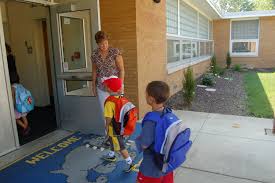
1 Arrival
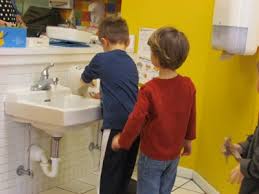
2 Wash Hands
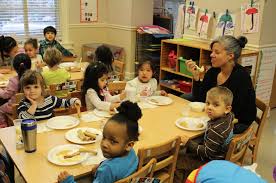
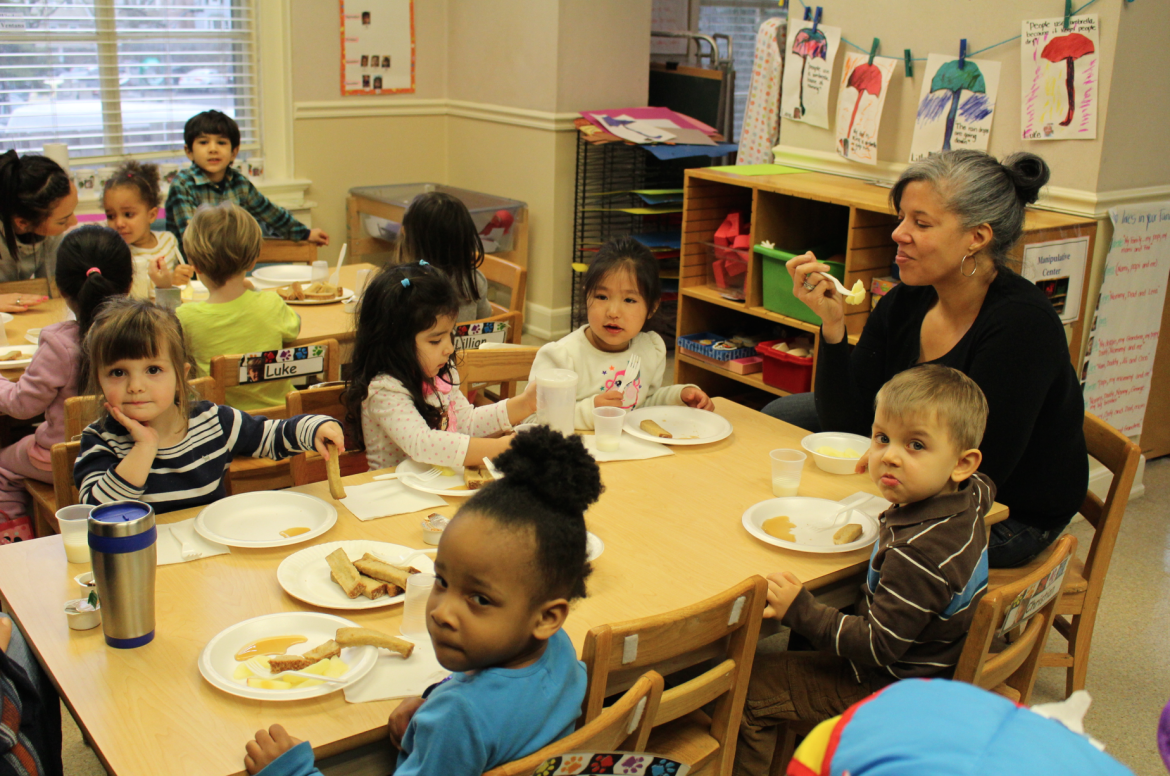
3 Breakfast
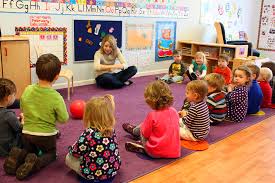
4 Circle Time
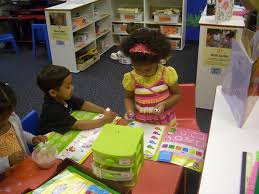
5 Center Time
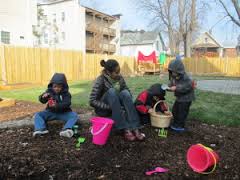
6 Outside Time
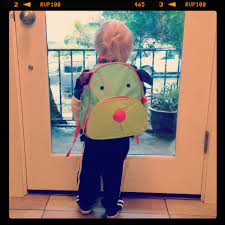
7 Departure
Next, Click on the link below for a little music fun to help express feelings!
http://pbskids.org/daniel/games/feel-the-music/
And last!
Once the child has explored the above social/emotional activites with emotions and routines, you can encourage them to explore letters of the alphabet. There are pictures that correspond to every letter that will help the child identify letters! The link below will take you to a set of interactive vides for each letter of the alphabet.
http://www.freevideosforautistickids.com/Alphabet_Videos.php
Evaluation
The children can be evaluated based on their interest of the Webquest. Due to their age and/or delay or disability they cannot be expected to formally evaluate the Webquest. Educators can determine if the children are demonstrating the skills used throughout the quest.
They can also ask the child to point to the large blue Y for yes, they liked it or the red N, for no they did not.
Y
N
Conclusion
Schedules are a foundational visual support for students with language and comprehension challenges. They help create a structure that allows a student to anticipate what will happen next. They are foundational for students who have a difficult time understanding spoken words and directions. The consistency they give helps to create a secure and comfortable atmosphere. They can also motivate your students to work toward a fun activity or recess.
http://www.nationalautismresources.com/visual-schedules.html
These skills do not only have to take place at school! Encourage your families to use this website or provide them with the websites in which they can become familiar with what they are learning in school.
Credits
Feelings chart
https://mcdn1.teacherspayteachers.com/thumbitem/Kids-in-Action-Faces-2-…
Individual schedule pictures:
Arrival
https://ofalls.files.wordpress.com/2010/08/e-atkinson-welcome-students1…

Circle Time
http://www.labpreschool.udel.edu/wp-content/uploads/2009/01/shopping.jpg

Outside
http://adamjlewispreschool.org/wp-content/uploads/2013/12/IMG_0981-300x…

Breakfast
http://greenwichfreepress.com/wp-content/uploads/2015/04/Screen-Shot-20…
Wash hands
http://www.teachpreschool.org/wp-content/uploads/2011/03/science-and-Dr…

Center Time
http://www.tutortimecongers.com/images/dynamic/46/albumPhoto/3111287574…

Departure
https://mytoddlerpeedinthefridge.files.wordpress.com/2013/02/img_8991.j…

Interactive videos
http://www.do2learn.com/games/feelingsgame/index.htm
http://pbskids.org/daniel/games/feel-the-music/
http://www.freevideosforautistickids.com/Alphabet_Videos.php
Text
Gargiulo, R (2015) Special Education in Contemporary Society 5e, p. 353
Teacher Page
It is my hope that after going through the activities, children will feel comfortable in expressing their needs, feelings and being aware of their daily happenings.
Below is a great tool in utilizing the Picture Exchange Communication System.
The Six Phases of the Picture Exchange Communication System Are:
- PECS PHASE I: How to Communicate
The child with autism learns to exchange single pictures for items or activities they really want. - PECS PHASE II: Distance and Persistence
Still using single pictures, the child with autism learn to generalize this new skill by using it in different places, with different people and across distances. They are also taught to be more persistent communicators. - PECS PHASE III: Picture Discrimination
The child with autism learns to select from two or more pictures to ask for their favorite things. These are placed in a communication book, a ring binder with Velcro strips where pictures are stored and easily removed for communication. - PECS PHASE IV: Sentence Structure
The child with autism learns to construct simple sentences on a detachable sentence strip using an "I want" picture followed by a picture of the item being requested. - PECS PHASE V: Answering Questions
The child with autism learns to use PECS to answer the question, "What do you want?" - PECS PHASE VI: Commenting
Now the child with autism is taught to comment in response to questions such as, What do you see?, What do you hear? and What is it? They learn to make up sentences starting with I see, I hear, I feel, It is a, etc.
http://www.nationalautismresources.com/picture-exchange-communication-s…