
Introduction
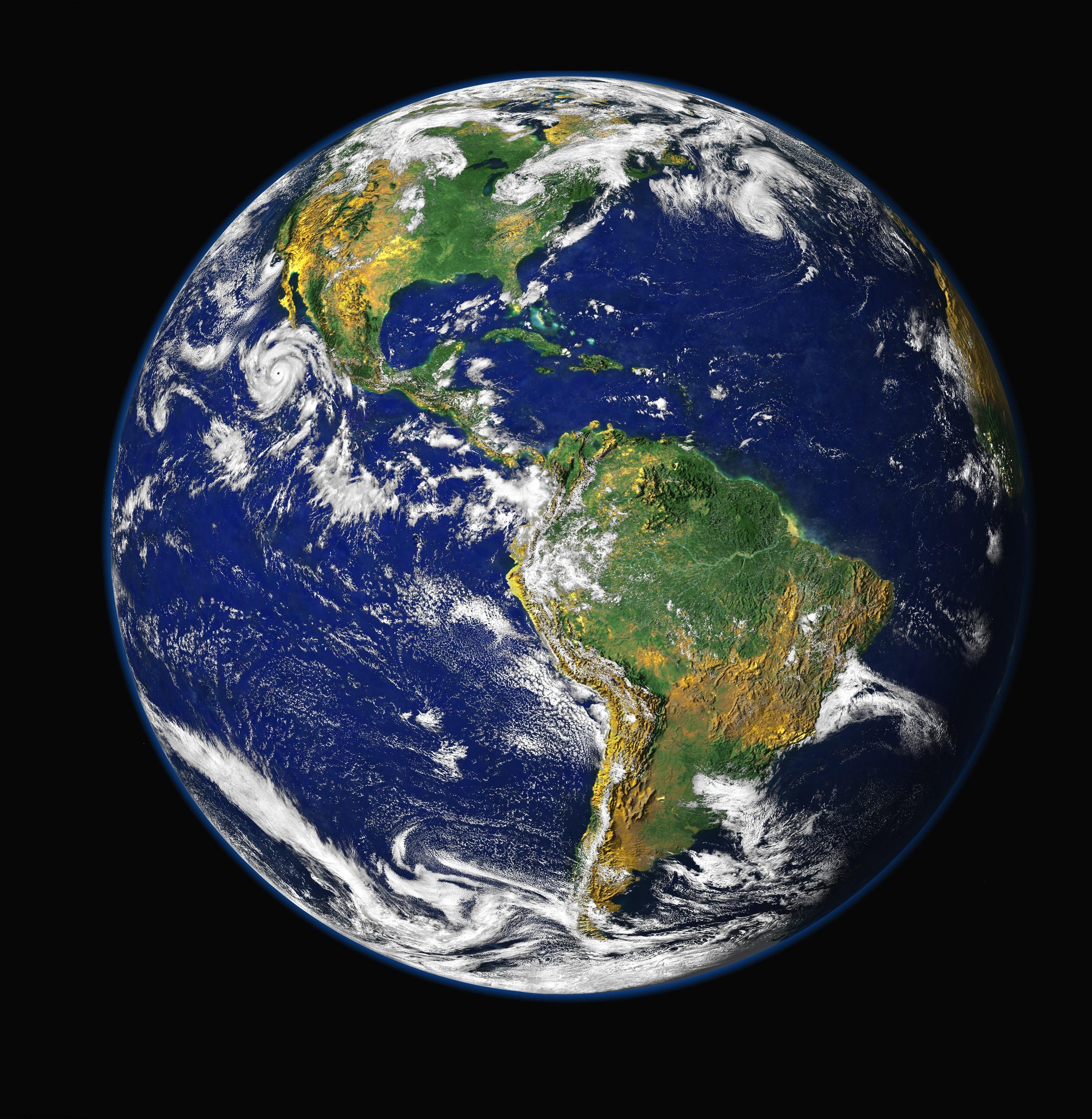 The Earth’s surface temperature is controlled mainly by solar heating which turns on at dawn and then off at sunset. During the typical day the surface heats and during the night it cools.
Changes in the surface temperature heat or cool the air above, which leads to air movement (wind).
The sun provides a remarkably steady flow of energy to the outer atmosphere. This flow is absorbed, transmitted and scattered by the atmosphere below, and then the transmitted part gets reflected, absorbed or scattered.
The Earth’s surface is about 71% water and 29% land. There are big differences in way the sun heats water and land.
Watch the video below to begin your quest!
[video:https://www.youtube.com/watch?v=7vTfyAMu6G4]
Task
Ever sitting in class and feel bored? Wish you could be the teacher for the day? Well, today is your lucky day! You will be divided into five teaching teams, each with a unique task. Watch the timer, becuase you will only 75 minutes to complete your task!!! Your presentation may not be any longer than 5 minutes so make it good.

Team 1: Vocabulary
Team 2: Heating and Cooling
Team 3: Ocean Currents
Team 4: Weather
Team 5: Climate
Process
Team 1: Vocabulary
Your task is to create student friendly definitions for the terms listed and any other essential vocabulary. You may present your terms in any way you see fit. However, you must also include hand gestures!
(hydrosphere, geosphere, biosphere, climate, ocean currents, sea breeze, land breeze, weather, cold front, warm front, occluded front, high pressure, low pressure, weather satellite, weather radar, El Nino, monsoon, global warming)
Team 2: Heating and Cooling
Your task is to explain answers to the following questions. You may present the information in whatever way you see fit. Remember, you will only have five minutes with your peers so make it count! Use the following link to begin your process.http://www.kidsgeo.com/geography-for-kids/0077-land-and-water-effect-temperature.php
1. How does solar energy affect Earth's atmosphere and surface?
2. What is convection?
3. How does convection affect Earth's weather patterns?
4. How does convection affect Earth's climate patterns?
Team 3: Ocean Currents
Your task is to explain answers to the following questions. You may present the information in whatever way you see fit. Remember, you will only have five minutes with your peers so make it count! Use the following link to begin your process.http://www.kidsgeo.com/geography-for-kids/0079-our-oceans-transfer-heat.php
1. What are ocean currents?
2. What causes ocean currents?
3. How do ocean currents affect weather?
4. How do ocean currents impact climate?
Team 4: Weather
Your task is to explain answers to the following questions. You may present the information in whatever way you see fit. Remember, you will only have five minutes with your peers so make it count! Use the following link to begin your process.http://www.kidsgeo.com/geography-for-kids/0043-gases-effect-weather.php
1. How is weather data collected?
2. How does the process of convection play a role in weather patterns?
3. How does differential heating affect weather paterns?
4. How does solar energy affect weather?
Team 5: Climate
Your task is to explain answers to the following questions. You may present the information in whatever way you see fit. Remember, you will only have five minutes with your peers so make it count! Use the following link to begin your process.http://www.kidsgeo.com/geography-for-kids/0053-climatic-controls.php
1. How is climate different from weather?
2. How does convection affect climate?
3. How does the process of differential heating affect climate?
4. How do ocean currents affect climate?
Evaluation
Each group member is responsible for taking a part in creating the presentation.
Each group member is expected to present part of the information.
Presentation is no longer than 5 minutes.
The information presented is clear and to the point.
Conclusion
In your notes:
- The Eath's tilt, daily rotation and revolution around the sun result in uneven heating of the planet.
- The uneven heating causes circulation patterns, or convection, of heat and water in the geosphere, hydrosphere and biosphere.
- The uneven heating of the surface cause wind which affects the climate and weather of regions around the globe.
- The heating and cooling of ocean waters cause ocean currents which also affect the weather and climate of regions around the globe.