
Introduction

Photo: http://earthobservatory.nasa.gov/Experiments/Biome/Images/mission.jpg

Teacher Introduction
This lesson is intended for 6-8 graders to teach them about biomes and why they are important.
Goals for the lesson
The student will be able to describe at least one type of biome after completing research on a assigned biome of the world.
Student Introduction
Can you describe a biome and its functions to plant and animal life?
This WebQuest will help you learn about many different biomes, and help you get a better understanding of why they are important to living things.
What’s next? You and your team will take a trip around the world to research one of the biomes below. Become an expert and enjoy the tour!
- Grassland
- Desert
- Tundra
- Coniferous forest
- Deciduous forest
- Tropical forest
- Wetland
Task
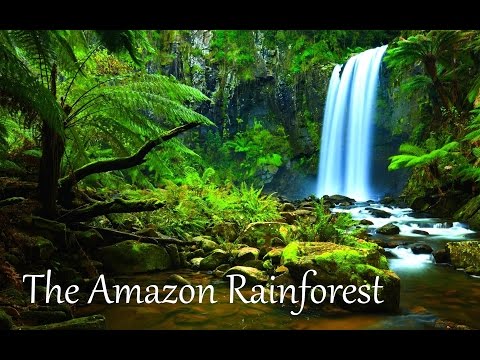
Photo: http://i.ytimg.com/vi/YFLhRQoksZk/0.jpg

TASK/GOAL
You will become an expert after learning about your group's biome by using websites and video links. You will research to find the information listed on the Research Log Worksheet. Consider the following questions while you work:
- What makes this biome important to our world?
- How does human life affect this biome?
- What could humans do to renew and prevent the damage created?
Process
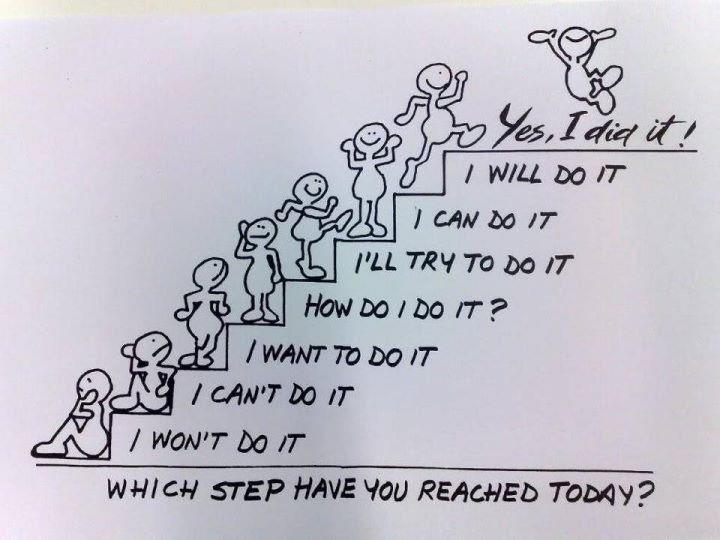
Photo: https://silviakusada.files.wordpress.com/2012/05/step.jpg

STEPS TO SUCCESS
Complete the following steps as you research:
Step #1: Each group will be assigned a biome. Find information about your group’s biome by following the link: http://eschooltoday.com/ecosystems/what-is-a-biome.html
Step #2: After looking and reading your biome, use one of the Chromebooks in your group to open the Research Log in Google Docs. Complete the Research Log as you explore.
Research topics:
- Location
- Climate
- Amount of rainfall
- Plants
- Other interesting facts
Step #3: Use the following videos to learn more about your topic
Videos:
All Biomes:
https://www.youtube.com/watch?v=0fb8143ndo8
https://www.youtube.com/watch?v=VIe46T6UTUc
Tundra:
https://www.youtube.com/watch?v=WSj4j9YoIgo
Coniferous Forest
https://www.youtube.com/watch?v=rmVxF22LA64
Desert:
https://www.youtube.com/watch?v=gxfqi9bVK0Y
Tropical Rainforest:
https://www.youtube.com/watch?v=kLWyLrEW3g8
Deciduous Forest:
https://www.youtube.com/watch?v=HTXPYZiFVjQ
Grasslands:
https://www.youtube.com/watch?v=SenNsQR03Zw
Wetlands:
https://www.youtube.com/watch?v=BeUPbGWg2KU
Step #4: Submit Research Log for grading.
Evaluation

Photo:http://virtualteambuilders.com/wp-content/uploads/2013/06/Assessment4.p…

Assessment
- Students will be graded on the Group Research Log and the individual journal entry reflection.
*This assignment is worth a total of 50 points. Groups must have each blank filled in with the correct answers (5 points for each blank and 5 points for participation.30 points total) and the journal reflection must have the four questions answered in 3-5 complete sentences (5 points each.20 points total).
Conclusion
CONCLUSION
In your Science Journal, record your thoughts on the questions below.
- What did you learn?
- How can you help protect this biome?
- What role did you play in this assignment?
- How can you help your group in the future?
I hope you have enjoyed this learning opportunity. Biomes surround us everywhere we go. It is up to each of us to protect and preserve all organisms that exist in these areas. Since all living organisms depend on each other, losing one could result in a major shift in each biome.
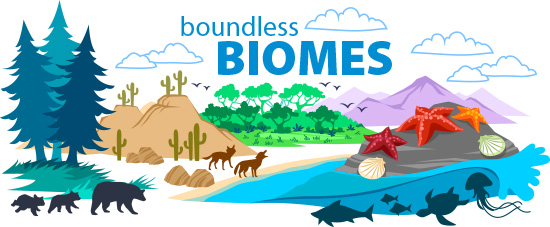
Photo: https://askabiologist.asu.edu/sites/default/files/image/article/2014/bi…
Teacher Page
*This lesson was designed for 6-8 grade science students to learn about the biomes in the world and how they are important to every living thing.
Standards: Grades 6-8
- LS.4.6.1 Identify environmental conditions that can affect the survival of individual organisms and entire species
- LS.4.6.2 Conduct simulations demonstrating competition for resources within an ecosystem
- LS.4.7.1 Explain the role of reproduction in the continuation of a species
- LS.4.8.1 Analyze the effect of changes in environmental conditions on the survival of individual organisms and entire species
Adaptations (For Students with Learning Disabilities):
As needed:
- Students will work in pairs.
- Students will be given written directions.
- Students will be given extended time to complete work.