
Introduction
During today's professional development session we will be looking at having animals and pets in our childcare centre.
As we know, many children have been requesting a room pet over the last few months. If this is something we want to consider we need to go through the process of ensuring we choose an appropriate animal.
Today we will be looking at safety/health concerns of having a chilcare pet.
By completing this webquest you will learn about the communicable diseases transmitted from animals to people and how we can minimise the risk.
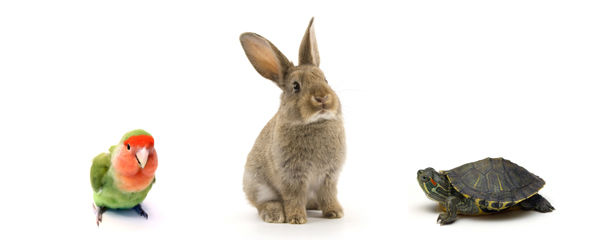
(Flagler Humane Society, 2016)
Task
Today we will focus on the following:
Psittacosis - transmitted through birds
Ringworm - transmitted through cats, dogs and guinea pigs
We will undertake research about each disease and present our findings.
Although we won't be focussing on it in today's professional development it is also very important to be aware of the following when considering animals and pets in the childcare:
Allergies Fears Phobias
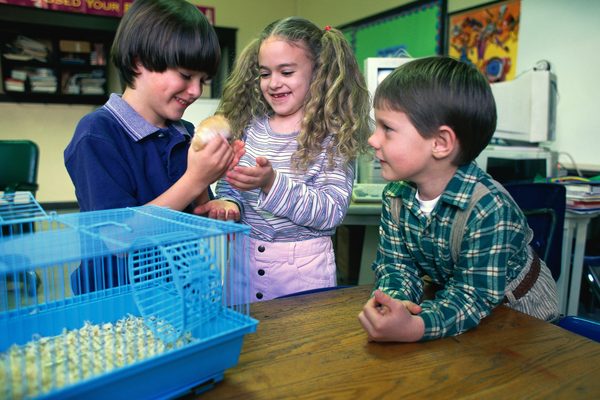
(Pets.mom.me, 2016)
Process
Split into two groups.
Each group will research one of the chosen diseases. Find out as much as you can about the disease ensuring you find:
-How it is transferred to humans
-Signs and symptoms in humans
-How it is treated in humans
-Treating the animal and surrounding environment
-Minimising risk of infection and adult supervision
Below are some websites that will help get you started!
Psittacosis
https://www.betterhealth.vic.gov.au/health/conditionsandtreatments/psit…
https://www2.health.vic.gov.au/public-health/infectious-diseases/diseas…
http://www.healthline.com/health/psittacosis#Diagnosis4
Ring worm
http://www.medicinenet.com/script/main/art.asp?articlekey=82553&page=2
Evaluation
From the information you have gathered, in your groups please fill out the following table to synthesise the information.
All groups will present their information to all educators present.
| Disease: | |
|
How is it transferred? |
|
| Signs and symptoms | |
| How is it treated? | |
|
Treating the animal and environment |
Let's discuss how we can minimise the risk of infection!!
Some thoughts to get us started...
- Always supervise students when handling animals
- Keep enclosures clean
- Supervise cleaning if unertaken by students
- Wash hands before and after touching animal
- Do not 'kiss' the animal
- Get the animal checked over by a vet before bringing it into childcare
...What else can you think of??
Conclusion
We have now heard from all the groups and know a little more about each disease.
We will use this information to help us make a decision on what kind of animal would be safest to bring into our childcare centre. It is important for us to be educated on these diseases to ensure we are providing a safe and healthy environent for our children.
In conclusion, and to help us on our journey of deciding which pet is best, It is interesting to note that the National Childcare Accreditation Council (NCAC) propsed the following as the most suitable animals within a childcare environment:
- Fish
- Mice
- Rats
- Hermit crabs
- Insects
(Peters, 2010)
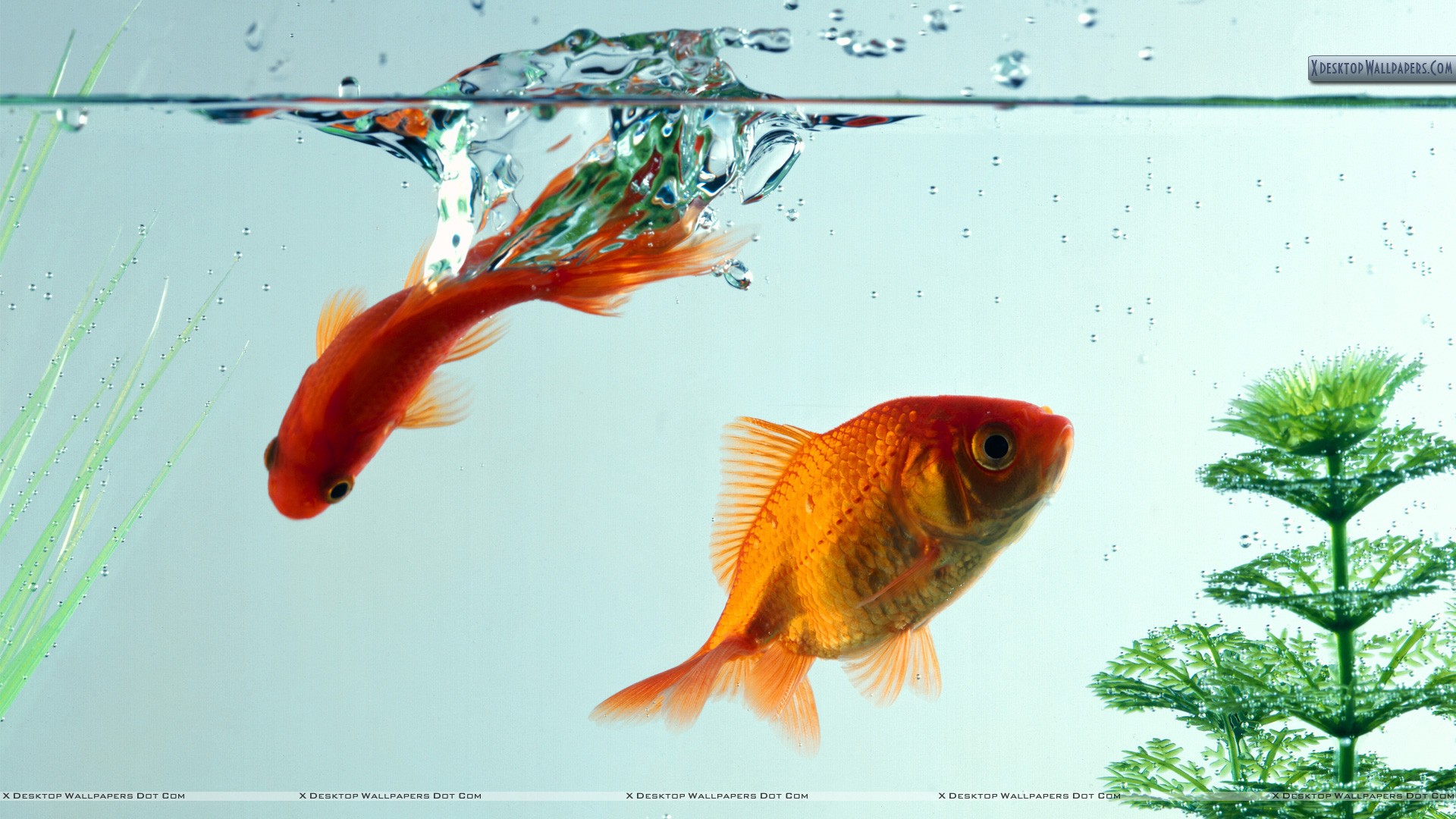
(1mhowto.com, 2014)
Credits
References:
Flagler Humane Society. (2016). Pocket pets header [Photograph]. Retrived from http://www.flaglerhumanesociety.org/classroom-pet-request/
Peters, J. (2010). Keeping pets in childcare. Putting Children First, 36, pp 10-11. Retrived from http://ncac.acecqa.gov.au/educator-resources/pcf-articles/KeepingPetsin…
Pets.mom.me. (2016). Ideas on easy classroom pets [Photograph]. Retrieved from http://animals.mom.me/ideas-easy-classroom-pets-5137.html
1mhowto.com. (2014). Goldfish [Photograph]. Retrieved from http://1mhowto.com/howto/how-to-take-care-of-fishes/