
Introduction
Welcome: Ancient Civilizations
Grade Level: 10-12
Curriculum: Social Studies- World History (WHST.9-10.7) (6.2.12.D.2.c)
Goal: Create a Model City Drawing from the Renaissance
Exploring ancient civilizations will help you understand how evolved we have become as a civilization through the industrial revolution, architecture and climate change.
Task
Through this WebQuest, you will journey into the lives of Asian, Greek, Islamic, and Roman Ancient civilization to learn fascinating facts about the geography, the culture, and the people.
As you follow the links or watch the videos, you will research how each civilization lived their day to day life.
And from your research you will create a Model Modern City, drawing from antiquity.
Keywords: Asian, Greek, Islamic, Roman, Art, Culture, Geography, Model art, Architecture, and Inventions.
Ancient Roman Civilization
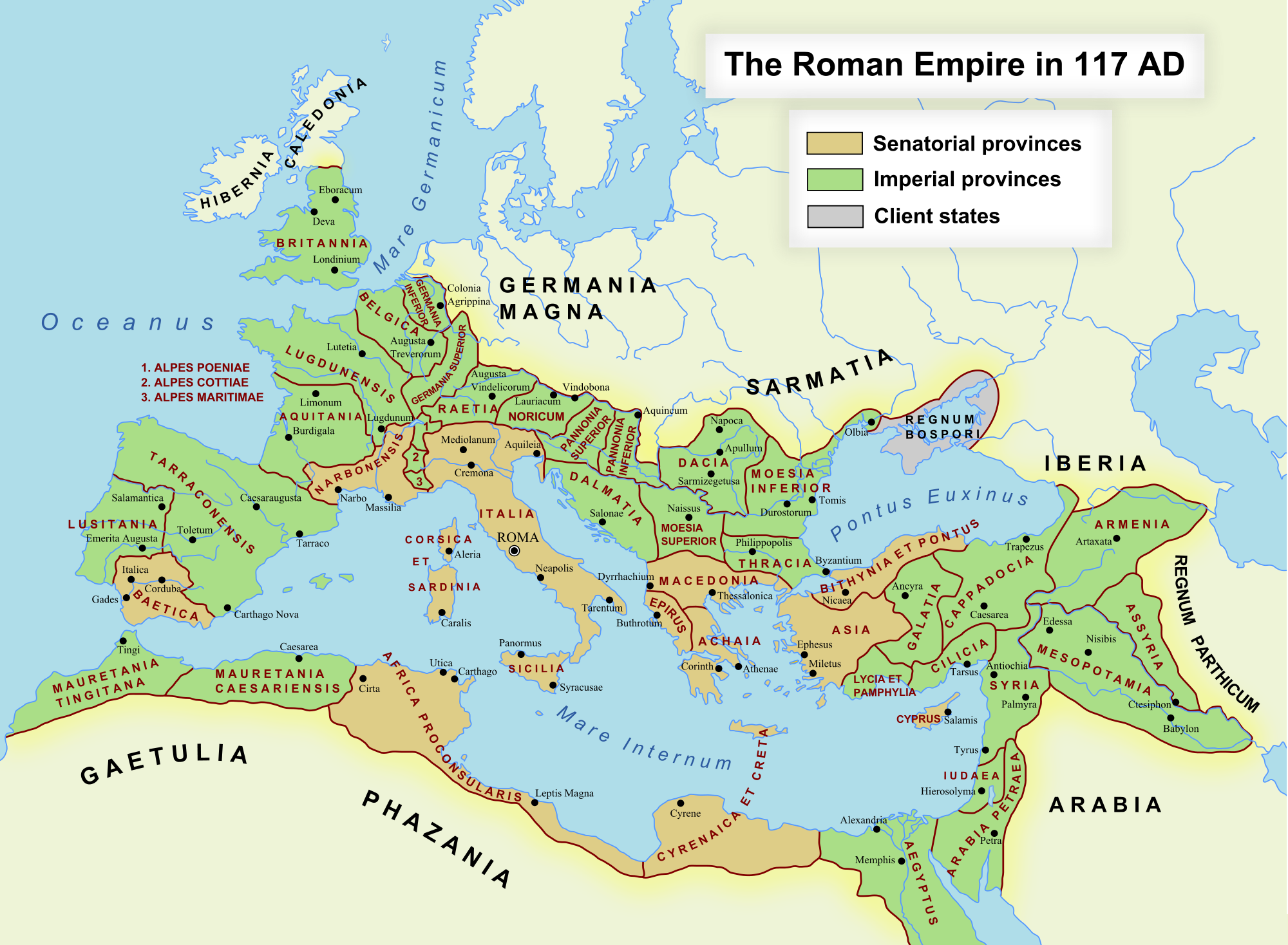

http://www.metmuseum.org/toah/hd/roem/hd_roem.htm The Roman Empire (27 B.C.–393 A.D.)
http://www.ancient.eu/Roman_Empire/
http://www.pbs.org/empires/romans/empire/ Alexander the Great and the Situation ... the Great? Crash Course
[video:http://www.history.com/topics/ancient-history/ancient-rome autoplay:1]
Ancient Greek Civilization
http://www.history.com/topics/ancient-history/ancient-greece
http://www.timemaps.com/civilization/Ancient-Greeks
http://www.britannica.com/place/ancient-Greece
[video:http://www.history.com/topics/ancient-history/classical-greece autoplay:1]
[video:http://www.history.com/topics/ancient-history/ancient-egypt autoplay:1]


Ancient Asian Civilization
http://highered.mheducation.com/sites/dl/free/0809222299/45391/WHistory1.html
http://www.kn.att.com/wired/fil/pages/listancientma20.html
http://history-world.org/Asia's%20First%20Civilizations.htm

http://history.howstuffworks.com/asian-history/history-of-asia.htm
The silk Road trade maps and pictures.


Islamic Civilization
http://islamichistory.org/islamic-golden-age/
http://www.mei.edu/content/islamic-civilization
http://historyguide.org/ancient/lecture18b.html
[video:http://www.history.com/topics/ancient-history/byzantine-empire autoplay:1]


Acient Asia
http://www.frontiermarketstrategy.com/2013/02/24/five-key-trade-routes-…
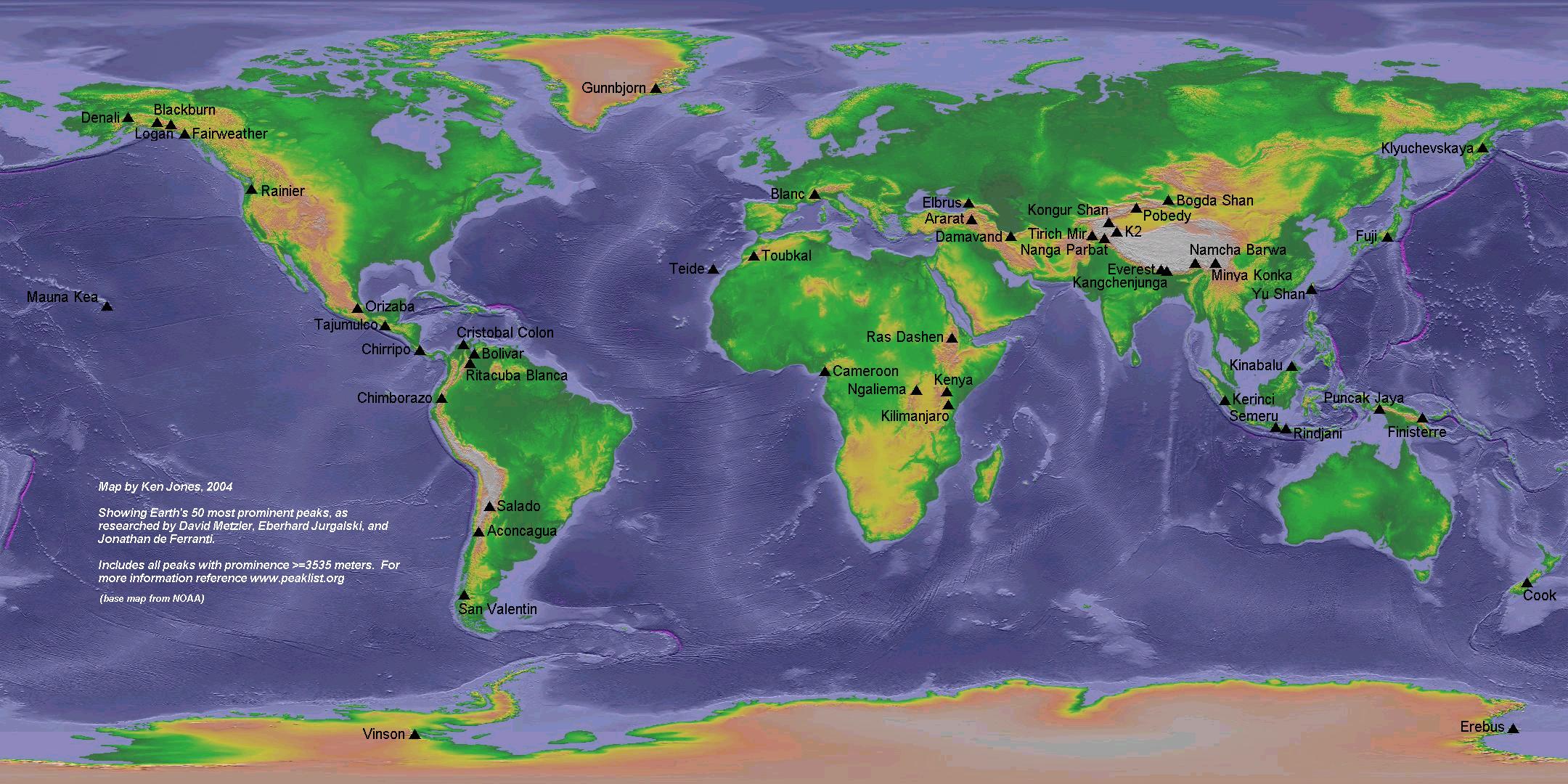
http://www.ii.uib.no/~petter/mountains/World_pic/world50.jpg

http://www.nhorizon.net/history-1350-to-today.html
https://www.google.com/url?sa=i&rct=j&q=&esrc=s&source=images&cd=&cad=r…

JAPANESE TRADE
http://www.tangdynastytimes.com/2009/11/japans-silk-road-boom.html
http://www.crystalinks.com/japan1.html
SILK ROAD
China
http://www.whc.unesco.org/en/list/880
video- (symbolic meaning of Beijing archiecture, space/gardening, emperor's influence on achitecture)
http://whc.unesco.org/en/list/880/video

The summer place in Beijing-an epic of acient architecture, environmental incorporation of daily living, and chinese dynastry.

http://whc.unesco.org/en/list/439
(The history of the Iperial palaces of the Beijing)
https://www.google.com/search?q=chinese+valleys&es_sm=122&tbm=isch&imgil
(chinese valleys/Highlands)
https://people.hofstra.edu/geotrans/eng/ch2en/conc2en/silkroad.html
https://en.wikipedia.org/wiki/Silk_Road
http://www.tangdynastytimes.com/2009/11/silk-road.html
https://en.wikipedia.org/wiki/Silk_Road_transmission_of_art
http://www.bastyr.edu/news/general-news-home-page/2014/10/alumnus-uncovers-ancient-medicine-along-silk-road (The history of Herbal medicince in China and the impact it has in Todays Medicine)

www.crystalinks.com/silkroad.html (The impact Silk trade countires heard on each other and their relevance to todays trade relations and industrial revolution)
- Marco polo
- Marco Polo sailing from Venice
- http://www.silk-road.com/artl/marcopolo.shtml
- http://acc6.its.brooklyn.cuny.edu/~phalsall/texts/marcopolo.html

http://www.travelchinaguide.com/silk-road/history/
http://www.travelchinaguide.com/picture/silk-road/
http://en.unesco.org/silkroad/themes/architecture
China
Mediums of exchange, art influences and culture
http://www.oxfordbibliographies.com/view/document/obo-9780195393521/obo-9780195393521-0089.xml
http://www.travelchinaguide.com/silk-road/ (The silk Trade Religious influences, and cultural impacts in China)
http://www.travelchinaguide.com/silk-road/culture.htm
https://www.quora.com/How-big-a-role-did-ancient-India-play-on-the-Silk-Road
http://www.jstor.org/stable/4412978?seq=1#page_scan_tab_contents
http://indianexpress.com/article/opinion/columns/what-the-silk-road-means-today/
http://www.advantour.com/uzbekistan/tours/scheduled.htm
India culture/ architecture/trade
http://www.buzzle.com/articles/architectural-wonders-of-india.html
http://lafelicitainunamano.blogspot.com/2011/12/india-nature-wallpaper.html
https://www.quora.com/What-are-some-interesting-facts-about-Indian-architecture
Mountains
http://pantip.com/topic/34150089
http://hailstonetravel.co.uk/worlds-most-beautiful-routes/
Process
Your City Model must show a combination of architecture, landscape, and culture from ancient Asian, Greek, Islamic, and Roman civilizations.
Web Resources for Model Building
Link on how to build a model miniature city:
http://www.lizard-landscapes.com/miniature-city.html
Link on how to build a virtual model city:
1. In 4 groups of 4 you will research one ancient civilization (Asian, Greek, Islamic, and Roman).
Examine how your selected civilization lived their daily life, such as marketplace, religion, politics, and recreation.
2. From your research you will choose what style of ancient architecture you will use for your Modern City Model, however it must show significance about the culture (building of worship, government, education, etc.).
3. Each group will have a border to create an accompanying landscape (deserts, mountains, valleys, etc.) from their assigned ancient civilization.
Web Resources for Research
History of the Forbidden City
http://www.livescience.com/40764-forbidden-city.html
http://www.ebeijing.gov.cn/Elementals/eBeijing_Neighbourhood/t1048557.h…
Forbidden city Video:
http://www.smithsonianchannel.com/videos/forbidden-city-the-creation/12…
Lecture Notes
Developed by Lee M. Pappas and Nicholas C. J. Pappas
http://www.shsu.edu/~his_ncp/266LecN.html
Links for Ancient Asian Civilization:
http://highered.mheducation.com/sites/dl/free/0809222299/45391/WHistory1.html
http://www.kn.att.com/wired/fil/pages/listancientma20.html
http://history-world.org/Asia's%20First%20Civilizations.htm
China’s “Golden Age”: The Song, the Mongols, and the Ming Voyages:
http://afe.easia.columbia.edu/main_pop/kpct/kp_song.htm
Links for Ancient Greek Civilization:
http://history-world.org/renaissance.htm
http://www.history.com/topics/ancient-history/ancient-greece
http://www.timemaps.com/civilization/Ancient-Greeks
http://www.britannica.com/place/ancient-Greece
Videos: [video:http://www.history.com/topics/ancient-history/classical-greece autoplay:1]
[video:http://www.history.com/topics/ancient-history/ancient-egypt autoplay:1]
Links for Ancient Islamic Civilization:
http://islamichistory.org/islamic-golden-age/
http://www.mei.edu/content/islamic-civilization
http://historyguide.org/ancient/lecture18b.html
Videos: [video:http://www.history.com/topics/ancient-history/byzantine-empire autoplay:1]
Links for Ancient Roman Civilization:
http://www.metmuseum.org/toah/hd/roem/hd_roem.htm The Roman Empire (27 B.C.–393 A.D.)
http://www.ancient.eu/Roman_Empire/
http://www.pbs.org/empires/romans/empire/ Alexander the Great and the Situation ... the Great? Crash Course
Videos: [video:http://www.history.com/topics/ancient-history/ancient-rome autoplay:1]
Evaluation
|
|||||||||||||||||||||||||||||||||||||||||||||||
|
|||||||||||||||||||||||||||||||||||||||||||||||
|
|||||||||||||||||||||||||||||||||||||||||||||||
|
|
|||||||||||||||||||||||||||||||||||||||||||||||
|
Teacher Comments:
|
|||||||||||||||||||||||||||||||||||||||||||||||
|
Powered by TeAch-nology.com- The Web Portal For Educators! (www.teach-nology.com) |

Rubric for Evaluating Ancient Civilizations
| Beginning | Developing | Accomplished | Score | |
|
Overall Aesthetics (This refers to the WebQuest page itself, not the external resources linked to it.) |
||||
|
Overall Visual Appeal |
0 points There are few or no graphic elements. No variation in layout or typography. OR Color is garish and/or typographic variations are overused and legibility suffers. Background interferes with the readability. |
2 points Graphic elements sometimes, but not always, contribute to the understanding of concepts, ideas and relationships. There is some variation in type size, color, and layout.
|
4 points Appropriate and thematic graphic elements are used to make visual connections that contribute to the understanding of concepts, ideas and relationships. Differences in type size and/or color are used well and consistently.
|
|
| Navigation & Flow |
0 points Getting through the lesson is confusing and unconventional. Pages can't be found easily and/or the way back isn't clear. |
2 points There are a few places where the learner can get lost and not know where to go next. |
4 points Navigation is seamless. It is always clear to the learner what all the pieces are and how to get to them. |
|
| Mechanical Aspects |
0 points There are more than 5 broken links, misplaced or missing images, badly sized tables, misspellings and/or grammatical errors. |
1 point There are some broken links, misplaced or missing images, badly sized tables, misspellings and/or grammatical errors. |
2 points No mechanical problems noted.
|
|
|
Introduction |
||||
|
Motivational Effectiveness of Introduction |
0 points The introduction is purely factual, with no appeal to relevance or social importance OR The scenario posed is transparently bogus and doesn't respect the media literacy of today's learners. |
1 point The introduction relates somewhat to the learner's interests and/or describes a compelling question or problem. |
2 points The introduction draws the reader into the lesson by relating to the learner's interests or goals and/or engagingly describing a compelling question or problem. It captivates students interest. |
|
|
Cognitive Effectiveness of the Introduction |
0 points The introduction doesn't prepare the reader for what is to come, or build on what the learner already knows. |
1 point The introduction makes some reference to learner's prior knowledge and previews to some extent what the lesson is about. |
2 points The introduction builds on learner's prior knowledge and effectively prepares the learner by foreshadowing what the lesson is about. |
|
|
Task (The task is the end result of student efforts... not the steps involved in getting there.) |
||||
|
Connection of Task to Standards |
0 points The task is not appropriate for the standards and curriculum. |
2 point The task is referenced to standards but is not clearly connected to what students must know and be able to do and achieve proficiency of those standards. |
4 points The task is referenced to standards and is clearly connected to what students must know and be able to do to achieve proficiency of those standards. |
|
|
Cognitive Level of the Task |
0 points Task requires simply comprehending or retelling of information found on web pages and answering factual questions. |
3 points Task is doable but is limited in its significance to students' lives. The task requires analysis of information and/or putting together information from several sources. |
6 points Task is doable, engaging,and elicits thinking that goes beyond rote comprehension. The task requires synthesis of multiple sources of information, and/or taking a position, and/or going beyond the data given and making a generalization or creative product.
|
|
|
Process (The process is the step-by-step descreption of how students will accomplish the task.) |
||||
|
Clarity of Process |
0 points Process is not clearly stated. Students would not know exactly what they were supposed to do just from reading this. |
2 points Some directions are given, but there is missing information. Students might be confused. |
4 points Every step is clearly stated. Most students would know exactly where they are at each step of the process and know what to do next. |
|
|
Scaffolding of Process |
0 points The process lacks strategies and organizational tools needed for students to gain the knowledge needed to complete the task. Activities are of little significance to one another and/or to the accomplishment of the task. |
3 points Strategies and organizational tools embedded in the process are insufficient to ensure that all students will gain the knowledge needed to complete the task. Some of the activities do not relate specifically to the accomplishment of the task. |
6 points The process provides students coming in at different entry levels with strategies and organizational tools to access and gain the knowledge needed to complete the task. Activities are clearlyrelated and designed to take the students from basic knowledge to higher level thinking. Checks for understanding are built in to assess whether students are getting it. |
|
|
Richness of Process |
0 points Few steps, no separate roles assigned. |
1 points Some separate tasks or roles assigned. More complex activities required. |
2 points Different roles are assigned to help students understand different perspectives and/or share responsibility in accomplishing the task. |
|
|
Resources (Note: you should evaluate all resources linked to the page, even if they are in sections other than the Process block. Also note that books, video and other off-line resources can and should be used where appropriate.) |
||||
|
Relevance & Quantity of Resources |
0 points Resources provided are not sufficient for students to accomplish the task. OR There are too many resources for learners to look at in a reasonable time. |
2 point There is some connection between the resources and the information needed for students to accomplish the task. Some resources don't add anything new. |
4 points There is a clear and meaningful connection between all the resources and the information needed for students to accomplish the task. Every resource carries its weight. |
|
|
Quality of Resources |
0 points Links are mundane. They lead to information that could be found in a classroom encyclopedia. |
2 points Some links carry information not ordinarily found in a classroom. |
4 points Links make excellent use of the Web's timeliness and colorfulness. Varied resources provide enough meaningful information for students to think deeply. |
|
|
Evaluation |
||||
|
Clarity of Evaluation Criteria |
0 points Criteria for success are not described. |
3 points Criteria for success are at least partially described. |
6 points Criteria for success are clearly stated in the form of a rubric. Criteria include qualitative and quantitative descriptors. The evaluation instrument clearly measures what students must know and be able to do to accomplish the task.
|
|
|
Total Score |
/50 |
Original WebQuest rubric by Bernie Dodge. This is Version 1.03. Modified by Laura Bellofatto, Nick Bohl, Mike Casey, Marsha Krill, and Bernie Dodge and last updated on June 19, 2001.
Conclusion
|
|
||
|
1 |
Use maps of trade routes (i.e., Silk Road) and excerpts from Marco Polo’s book (The Travels of Marco Polo) to explain the role of geographic location (i.e., Italian city-states, Asia, Europe) in the development of trade and economic activity during the Renaissance. |
RH.9-10.7 6.2.12.B.2.a |
|
2 |
Explain how the rise of European towns and commerce led to the need for banking and financial services (e.g., loans, usury, insurance, currency, joint stock companies). |
6.2.12.C.2.a |
|
3 |
Conduct short research to answer the question to what extent did Greek, Roman, Asian, and Islamic civilizations influence political, social, and cultural changes in Europe (e.g., education, ideas, inventions, art, treatment of women). |
WHST.9-10.7 6.2.12.D.2.c |
|
4 |
Examine how the exposure to Asian and Islamic civilizations and the spirit of inquiry (i.e. scholasticism / humanism) led to the Renaissance and the importance of the commercial revolution (i.e., trade and rise of towns) on society. |
6.2.12.D.2.a |
|
5 |
Analyze how the discoveries of Copernicus, Galileo, Bacon, Newton, and Kepler challenged traditional teachings and beliefs. |
6.2.12.D.2.d |
|
6 |
Use technology to display information about the accomplishments of Machiavelli, Michelangelo, Leonardo da Vinci, Raphael, and Shakespeare and relate them to the factors that led to the development of the Renaissance. |
WHST.9-10.6 6.2.12.D.2.a |
|
7 |
Draw evidence from informational text to explain the impact of the Enlightenment on social change in Europe regarding the treatment of women (e.g., property, marriage) and the toleration of minority groups (e.g., religious, ethnic). |
WHST.9-10.9 6.2.12.A.2.b |
|
8 |
Assess the extent to which the reasoning and evidence in a text support the author’s claims about the origins of the Protestant Reformation (i.e., Martin Luther, John Calvin, and Henry VIII). |
RH.9-10.8 6.2.12.D.2.b |
|
9 |
Evaluate the impact of the printing press and how technology affected society during this time period (e.g., spread of information, vernacular language, religious ideas). |
6.2.12.D.2.e |
|
10 |