
Introduction
Major biomes include deserts, forests, grasslands, tundra, and several types of aquatic environments. Each biome consists of many ecosystems whose communities have adapted to the small differences in climate and the environment inside the biome. All living things are closely related to their environment.
[video:https://www.youtube.com/watch?v=0fb8143ndo8 align:center]
Task
Each student must work individually on the assignment.
First, select a biome to research and present. (aquatic, forest, desert, tundra, or grassland)
Once you have finished your quest, create a visual project and present to the class. 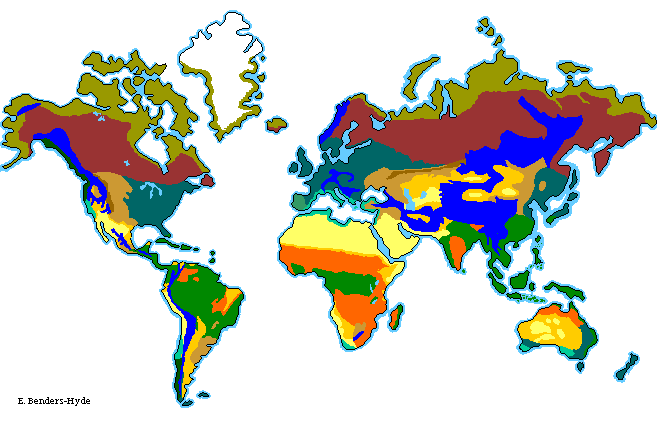
Process
Keep in mind the following information required when on the quest: 1. Identify the geographic location of the biome2. Identify geographic factors that cause diversity in flora and fauna3. Include the elevation and climate4. Provide a color picture of map of biome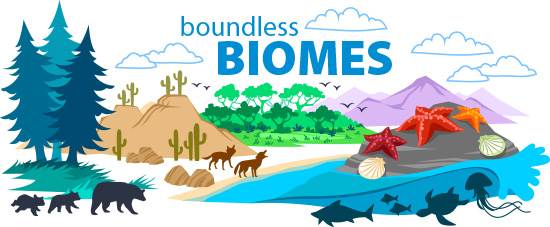
Evaluation
The possible score for the whole project is 30 points (10 possible points for reseach and 20 possible points for presentation).
Presentation:
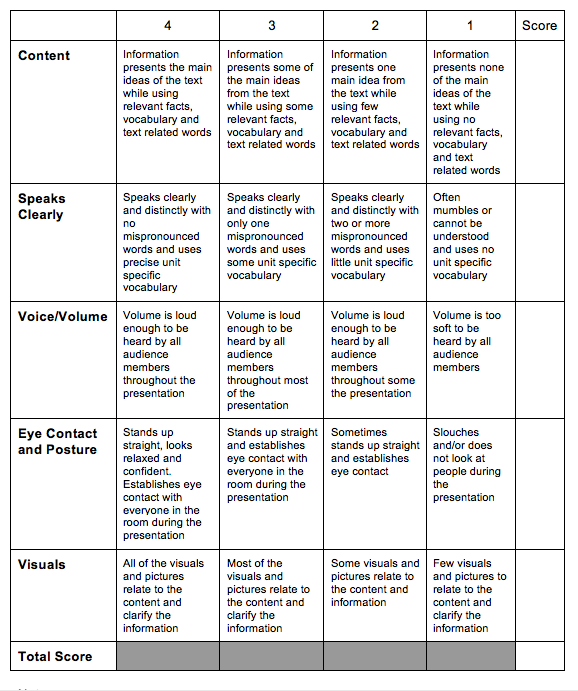
Content is important. Grammar and spoken language will also be evaluated. The visual project will be evaluated for interest and appeal.
A formal rubric has been developed to evaluate presentations.
Conclusion
Congratulations! You are Biome Experts!
By the end of this WebQuest, you should be able to identify the different biomes of the world. You also were able to conduct research in order to answer specific questions abuot your biome! You are a true Scientist!
Credits
We all benefit by being generous with our work. Permission is hereby granted for other educators to copy this WebQuest, update or otherwise modify it, and post it elsewhere.
Teacher Page
The course of study item covered in this lesson was Science grade 6 describing the Earth's biomes.