
Introduction
What is Neurodidactics?
The term neurodidactics was coined in Germany in 1988 from the fusion of various fields of study such as education, psychology, and neuroscience. This fusion was built from an attempt to understand the aspects of neural development that influence learning. As well as, to use this knowledge to create new methodologies in a classroom and to optimize the teaching-learning process.
https://www.businessmind.at/wp-content/uploads/2017/05/Hirn3.jpg
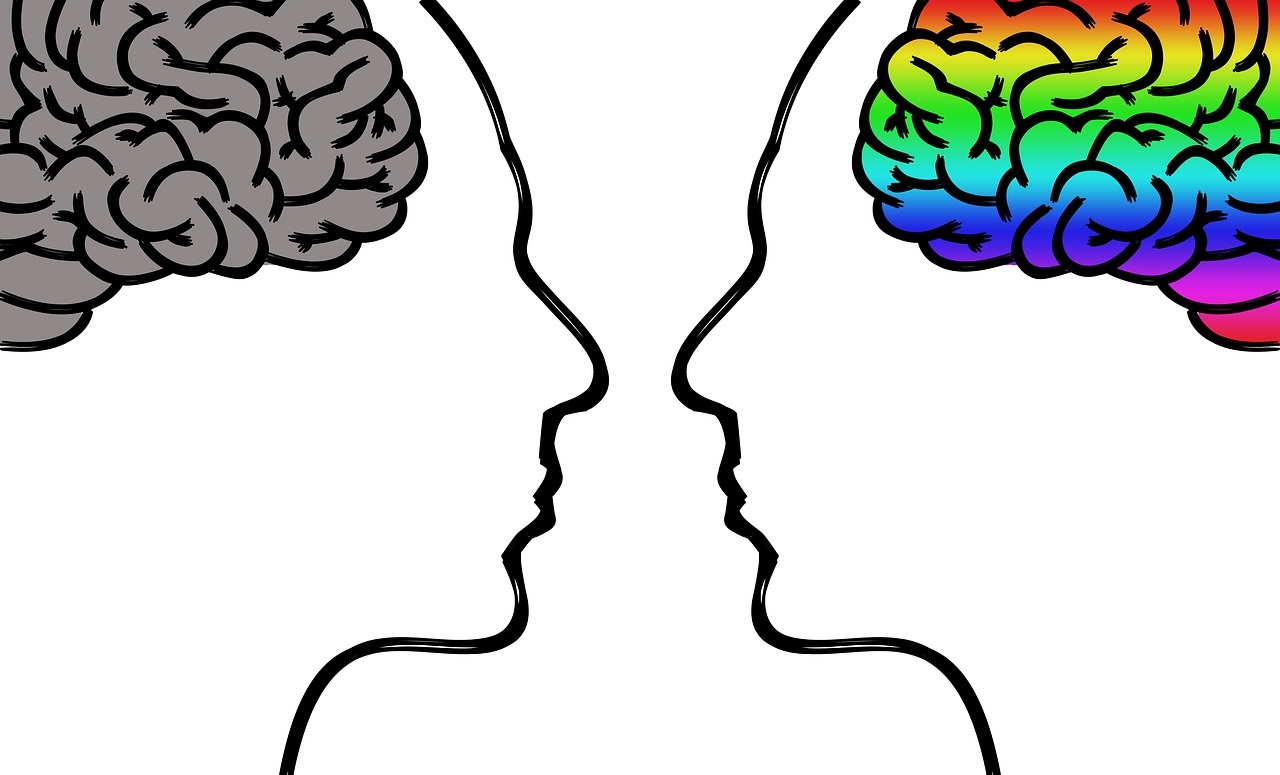
Ten principles developed by Eric Jensen in a brief titled “10 Most Effective Tips For Using Brain-Based Teaching & Learning” (2010), which can be found in his book Teaching with the Brain in Mind.
Click the links
⇒ https://www.businessmind.at/wp-content/uploads/2017/05/Hirn2-200x200.jpg

Synapses are structures that permit a neuron to pass a signal to another neuron in the nervous system (Wikipedia).
⇒ https://www.businessmind.at/wp-content/uploads/2017/05/Wiederholung-200x200.jpg

By repetition, patterns form in the brain similar to tracks in the snow. They become deeper and deeper the more often they are tread in.
⇒ https://www.businessmind.at/wp-content/uploads/2017/05/Schlaf-200x200.jpg

Ok, admittedly this exercise isn’t realistic in a training course :-), but breaks should certainly be taken!
Please read the 10 Princeples of Neurodidactics carefully.
- Physical activity, recess, and voluntary movement in the classroom reduce stress, promote neurogenesis and stimulate learning.
- Students’ social conditions influence their school life and academic performance.
- The brain is a malleable organ, so you can induce neurogenesis through the development of cognitive and emotional skills. Things like literacy, meditation, artistic training, and enriching environments.
- Acute and chronic stress have a negative impact on behavior and learning.
- Each brain is unique and different in its maturation. A varied education must be offered according to the skills, talents, and interests of each student.
- The excess of content and longer instruction times saturate working memory, as a result, it makes memory processes and learning difficult.
- Artistic training has a positive impact on learning and on emotional and social-cognitive skills.
- Emotions influence learning and the school must teach the appropriate emotional and social skills to improve students’ academic performance.
- Learning disorders and delays can be improved, and even overcome, by the brain’s malleability if appropriate compensatory education programs are used.
- Memory is not fixed but malleable. Remembering what has been learned requires continuous practice and review of contents.
Task
Dear Students! Now watch a 3-minute video on this interesting subject! Just sit and relax and let the knowledge flow :)
EXTRA * EXTRA * EXTRA *
Extra material for the thirsty ones!
Watch Barbara Oakley's fascinating speech on neuroscience *
YOUR TASK IS TO READ THE ARTICLE GIVEN IN THE NEXT SLIDE AND DO THE EXERCISE. ENJOY! :)
Process
Dear All, now your task is to read this brief article packed with exciting info about neurodidactics ...
https://youaremom.com/parenting/neurodidactics/
...and do the exercise from the link below! (Please log in from your Google or Facebook account)
⇒ https://www.educaplay.com/game/8120870-fill_in_blanks.html
Evaluation
As you finished filling up the blanks, please click the button "CHECK" to see how many did you do correctly!
| POINTS! | GRADE! |
|---|---|
| 14-13 points | 6! |
| 12-10 points | 5 |
| 9-7 points | 4 |
| 6-4 points | 3 |
| 3-2 points | 2 |
| 1 point :( | 1 :( |
Conclusion
Please click below to see a very nice conclusion of didactic triangle in terms of neurodidactics:

Please also see this page for a brief conclusion of what we've learned today!