
Introduction
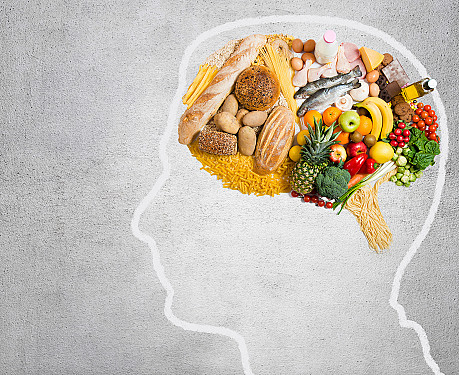
By nutrition researching, students are able to identify what is it and how to be aware when we eat, understanding which macronutrients we need. We just eat?
Task
You are going to create your own dish! It's going to be a lot of fun, but first you have to learn about healthy habits related with food, macronutrients, and how you can correctly eat. You will go through steps 1-4 recognizing what is nutrition.
1. Students would to read next image to understand what is an adequate and healthy perception of food.
:max_bytes(150000):strip_icc()/what-is-diet-culture-5194402_final_text-ddfea00e2c57411ebda98231ea32edbf.png)
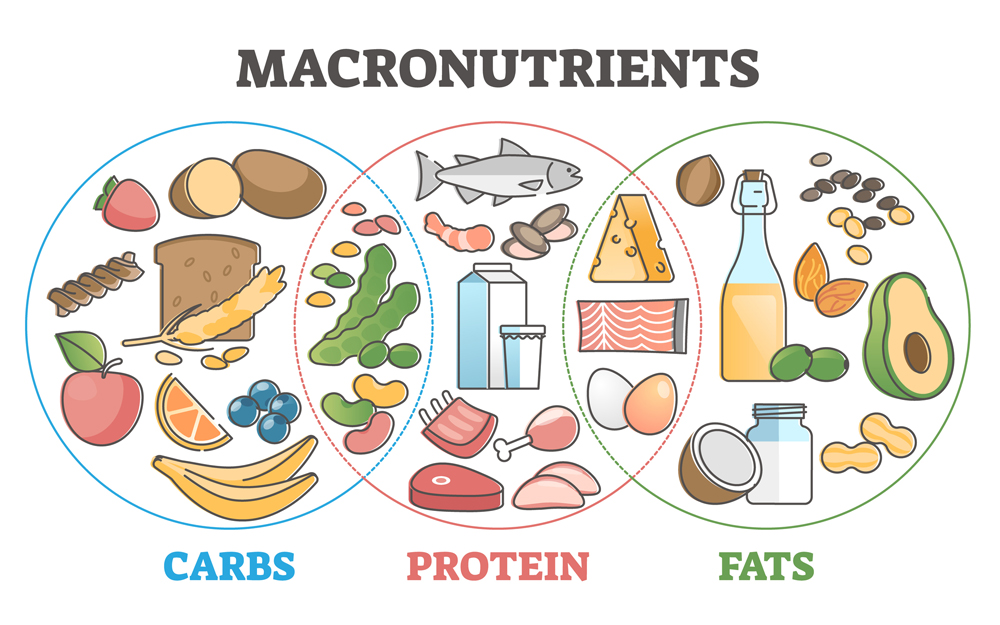
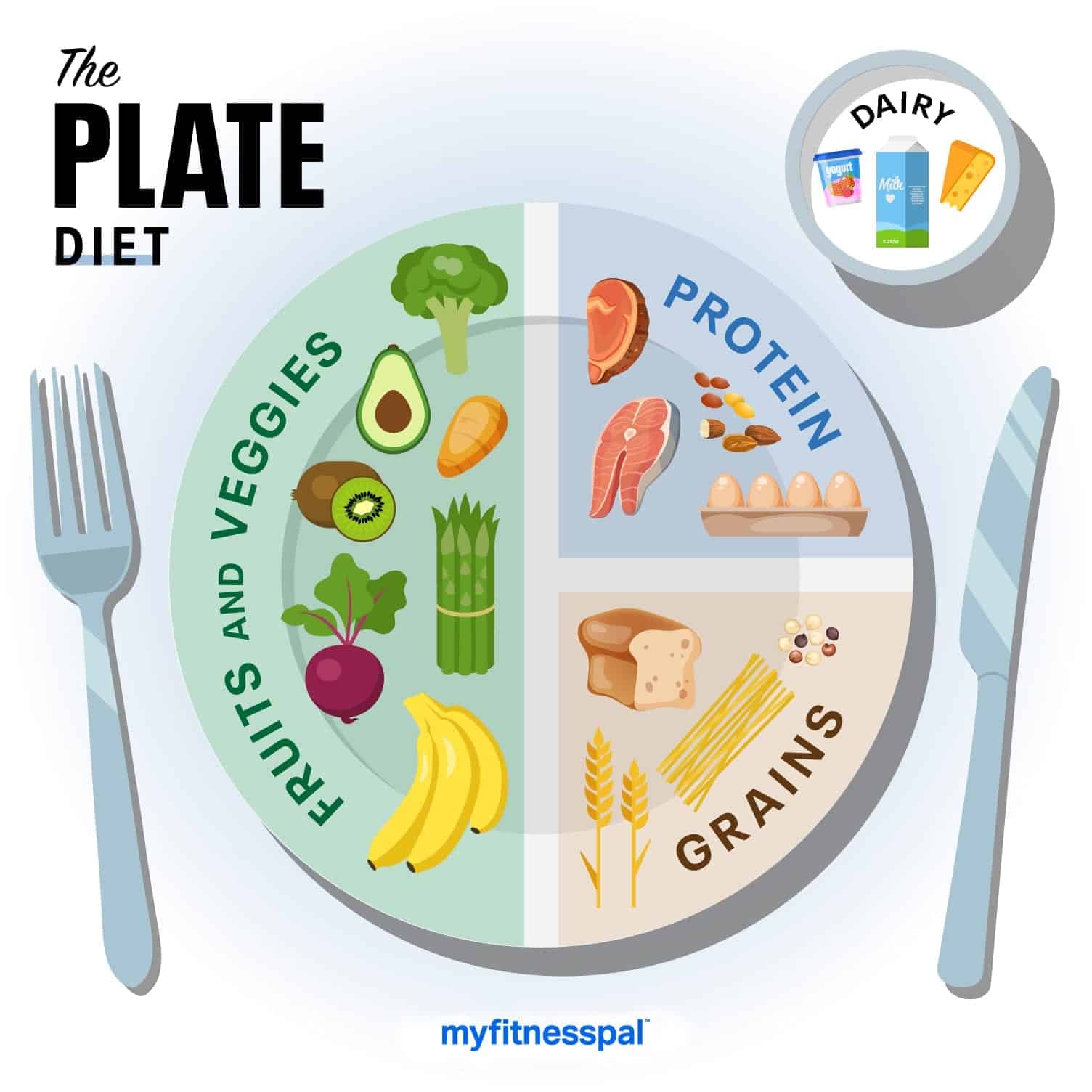
2. In base of next image, students we can comprehend which are the macronutrients and how eat them.
Process
Step 1: Answer these questions:
- How often do you eat fast food?
- Do you eat fruits and veggetables everyday?
- What meal of the day is the big one?
- How often do you eat sugar?
Step 2: What do I need to improve?
Write in two lines base on tthe above before information what habits and beliefs about food I have to change.
Step 3: My plate
On a piece of paper, you will draw a picture of what your plate would look like from now on.

Evaluation
Students must have written the three macronutrients on the plate and have generated awareness about food, taking in account how we feel and what we need.

Conclusion
Good nutrition means your body gets all the nutrients, vitamins, and minerals it needs to work its best.
¡I Hope you enjoyed the webquest!
Tips for eating well

Eat plenty of fruit
To get the benefit of the natural fiber in fruits, you should eat fruit whole rather than as juices.

Eat plenty of vegetables
Eat a variety of colors and types of vegetables every day.

Eat plenty of whole grains
At least half of the cereals, breads, crackers, and pastas you eat should be made from whole grains.

Choose low fat or fat free milk
These provide calcium and vitamin D to help keep your bones strong.

Choose lean meats
Lean cuts of meat and poultry have less fat and fewer calories but are still good sources of protein.

Try other sources of protein
Try replacing meats and poultry with fish, beans, or tofu.
Teacher Page
Las fuentes a continuación deben imprimirse para que los estudiantes completen la webquest.
 Nutrition (WHO). https://www.who.int/health-topics/nutrition#tab=tab_1
TUFTS https://www.tuftsmedicarepreferred.org/healthy-living/importance-good-nutrition