
Introduction
Standards: Life Science
S5L1. Students will classify organisms into groups and relate how they determined the groups
with how and why scientists use classification.
a. Demonstrate how animals are sorted into groups (vertebrate and invertebrate) and
how vertebrates are sorted into groups (fish, amphibian, reptile, bird, and mammal).
b. Demonstrate how plants are sorted into groups.
Introduction
Classification is an important part of everyday life. When you look for a phone number in a phonebook or go to a store, you are using classified information.
You are going to be learning more about the science of classification.
By the end of this web quest:
- you should know of different ways to classify living things
- you should be able to compare the characteristics of mammals, birds, reptiles, amphibians and fish
- you will be able to identify an arthropod, invertebrate and vertebrate
- you will be able to identify a microorganism and describe how it meets its basic needs
Have fun learning!
Task
1. Get the "Classification Activity Sheet."
Sort these living things in a way that makes sense to you.
Under Characteristics used, explain how you sorted the living things.
|
|
|
|
|
|
|
|
|
TIGER |
|
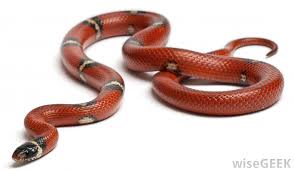
SNAKE |
|
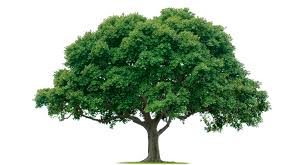
TREE |
|
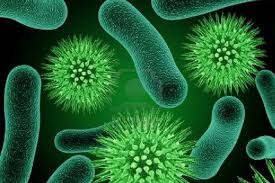
BACTERIA |
|
|
|
|
|
|
|
|
|
FLOWER |
|
MUSHROOMS |
|
DOG |
|
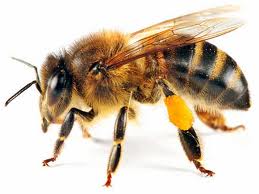
BEE |
|
|
|
|
|
|
|
|
|
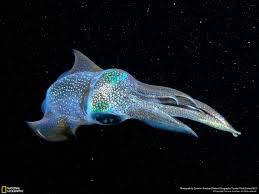
SQUID |
|
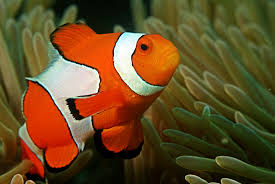
FISH |
|
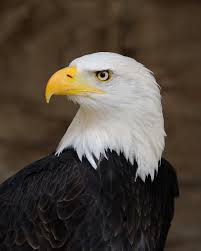
EAGLE |
|
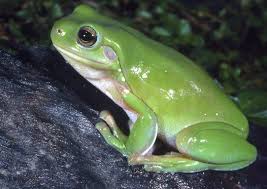
FROG |
|
|
|
|
|
|
|
|
|
OWL |
|
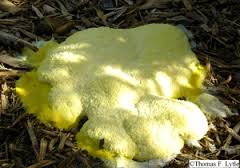
SLIME MOLD |
|
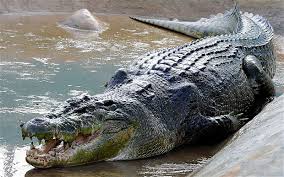
CROCODILE |
|
RAT |





Teacher Page

Mrs. Robinson's 5th Grade
Classifying Living Things