
Introduction
Hello students! Today we will be learning about a very serious topic. Many school age students have experienced bullying, wether it is verbal or physical. Although teachers and administrators do what they can to stop bullying, it is still a very serious danger in schools throughout the nation. Anyone is in danger of being bullied or becoming a bully. Therefore, it is extremely important that everyone know how to identify bullying and what to do if you or someone you know is being bullied. Through this webquest you will learn about what is bullying, see examples of how dangerous bullying can be and think critically about ways to stop school bullying.
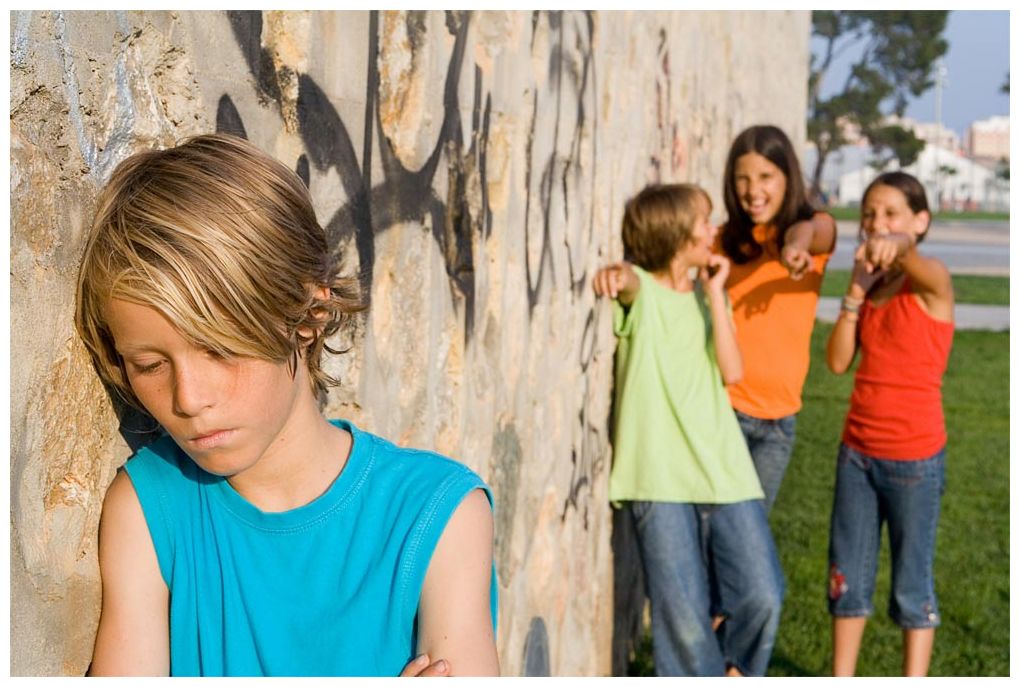
Context:
What is bullying?
According to stopbullying.gov:
"Bullying is unwanted, aggressive behavior among school aged children that involves a real or perceived power imbalance. The behavior is repeated, or has the potential to be repeated, over time. Both kids who are bullied and who bully others may have serious, lasting problems.
Bullying includes actions such as making threats, spreading rumors, attacking someone physically or verbally, and excluding someone from a group on purpose."
Facts about bullying from dosomething.org:
1. Over 3.2 million students are victims of bullying each year.
2. 1 in 4 teachers see nothing wrong with bullying and will only intervene 4% of the time.
3. Approximately 160,000 teens skip school every day because of bullying.
4. 17% of American students report being bullied 2 to 3 times a month or more within a school semester.
5. By age 14 less than 30% of boys and 40% of girls will talk to their peers about bullying.
6. Over 67% of students believe that schools respond poorly to bullying, with a high percentage of students believing that adult help is infrequent and ineffective.
7. 71% of students report incidents of bullying as a problem at their school.
8. 90% of 4th through 8th graders report being victims of bullying.
9. 1 in 10 students drop out of school because of repeated bullying.
10. Physical bullying increases in elementary school, peaks in middle school and declines in high school. Verbal abuse, on the other hand, remains constant.
Task
You are to read through the articles and view the videos provided in the Process section. As you look through the material think critically about the causes of this problem and possible solutions. Then take a side on the problem. Should schools officials interefere more in school bullying? If yes, then how should they go about this? If no, then what other measures can be taken to stop the bullying problem. You are to create a powerpoint presentation stating your side on the problem and providing 3 strategies to stop bullying.
Process
In order for you to take a stand against bullying you must first become informed and educated in what bullying is. Here are some helpful website that will guide you through your research.
This website explains the definition of bullying and describes the types of bullying:http://www.stopbullying.gov/what-is-bullying/definition/index.html
Psychology of bullying:http://nobullying.com/the-psychology-of-bullying/
How bullying affects mental health: http://www.bostonglobe.com/lifestyle/health-wellness/2014/02/24/study-bullying-impacts-mental-health-for-years/LvXDfpyOF3K5RWGGlbaHeN/story.html
What can parents can do:http://www.greatschools.org/special-education/health/825-what-parents-can-do-about-childhood-bullying.gs
What schools can do:http://psychcentral.com/lib/how-do-we-stop-bullying-in-schools/0002371
What can bystanders do:http://us.reachout.com/facts/factsheet/what-to-do-if-someone-you-know-is-being-bullied
What can bullying victims do:http://us.reachout.com/facts/factsheet/what-to-do-if-you-are-being-bullied
Psychological effects of bullying:https://www.youtube.com/watch?v=uNoai5DmXWE
An example of a bullying victim: https://www.youtube.com/watch?v=X7nhPNmLrDE
Evaluation
| Outstanding work | Good | Needs work | Not acceptable | |
|
Powerpoint visuals 15% |
Presentation looks well organized, everything can be read easily. Included at least two pictures. | Things can be easily read and there is some organization. It has at least one picture. | All information can be read and there is some organization. Has no pictures. | Presentation is disorganized, had no picture. |
|
Stated their position on the problem 25% |
Stated whether or not schools should be more involved in preventing bullying and explained why they had choosen this side of the arguement. | A side of the argument was stated and it was expleined why it was chossen but it was not done in a clear way. | Stated whether or not schools should get involved but does not explain why this choice was made. | Does not state whether or not they believe schoold should be more involved in preventing bullying. |
|
Three strategies 20% per strategy |
The stratagy is easily understood. It demonstrates that you did your research. It include steps to how to do the strategy. | The strategy is clear and easily understood. However, the steps are not clear. | The strategy or the steps are not easily understood. | The strategy is unclear and/or there are no steps as to how to complete the strategy. |
Conclusion
Bullying is a serious threat to modern schools. Every student has a right to feel safe in their school and so it is time to take a stand agaisnt bullying. There are several ways for this to be done. However, its important that we all get involved and stop the abuse.
Credits
11 Facts About Bullying. (n.d.). DoSomething.org. Retrieved June 21, 2014, from https://www.dosomething.org/facts/11-facts-about-bullying
Bullying Definition. (n.d.). Home. Retrieved June 21, 2014, from http://www.stopbullying.gov/what-is-bullying/definition/index.html
Kotz, D. (2014, January 1). Study: Bullying impacts mental health for years - The Boston Globe. BostonGlobe.com. Retrieved June 21, 2014, from http://www.bostonglobe.com/lifestyle/health-wellness/2014/02/24/study-b…
ReachOut.com. (n.d.). ReachOut Blog RSS. Retrieved June 21, 2014, from http://us.reachout.com/facts/factsheet/what-to-do-if-someone-you-know-i…
ReachOut.com. (2013, January 1). ReachOut Blog RSS. Retrieved June 21, 2014, from http://us.reachout.com/facts/factsheet/what-to-do-if-you-are-being-bull…
Ryan Halligan Story on Frontline. (2011, January 1). YouTube. Retrieved June 21, 2014, from https://www.youtube.com/watch?v=X7nhPNmLrDE
Psychological Effects of Bullying (Accessible Preview). (2013, January 1). YouTube. Retrieved June 21, 2014, from https://www.youtube.com/watch?v=uNoai5DmXWE
Snyder, M. (n.d.). What parents can do about childhood bullying. GreatSchools. Retrieved June 21, 2014, from http://www.greatschools.org/special-education/health/825-what-parents-c…
Tamanini, K. (n.d.). » How Do We Stop Bullying in Schools? - Psych Central. Psych Central.com. Retrieved June 21, 2014, from http://psychcentral.com/lib/how-do-we-stop-bullying-in-schools/0002371
The Psychology of Bullying. (n.d.). No BullyingExpert Advice On Cyber Bullying School Bullying. Retrieved June 21, 2014, from http://nobullying.com/the-psychology-of-bullying/