
Introduction
Hello fellow Special Education Teachers! We just received breaking news from the Foundation of Autism Spectrum Disorder. Exercise and physical activity have just been approved as an evidence base practice for Autism Intervention Programs! I know you have been waiting for this day to come and can't wait to start implementing an exercise program into your everyday curriculum. Let's get started!
Task
Today your task is to develop the BEST exercise intervention program that will be implemented to all your students with autism. The exercise intervention program should improve student’s physical fitness, gross motor skills, and socialization. Your exercise program should be fun but most importantly it should be individualized to fit each student’s specific needs.
Process
You will have a one hour to develop your exercise intervention program. You will research different types of exercises that would benefit children with autism. The intervention program will be based around duration (how often) and intensity (how hard). Your program should focus on these three categorizes: gross motor skills, physical fitness, and socialization.
Here are some links to start your research! Ready….Set…..GOOOOOO!
Gross Motor Skills
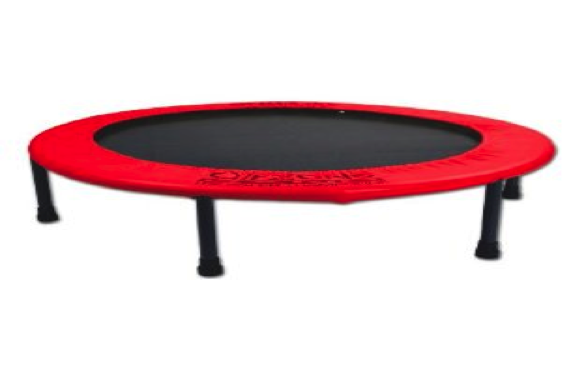
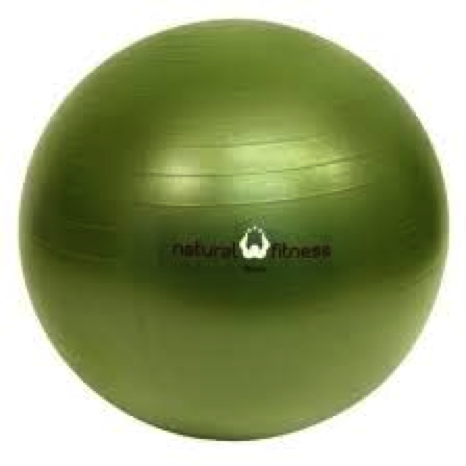
"Gross Motor skills are the abilities required in order to control large muscles of the body for walking, running, sitting, crawling and other activities" (Children's Health).
Gross motor activities can help strengthen muscles, increase body strength, and help with coordination.
WEBSITES:
ACT-NOW Developing Gross Motor Skills
http://www.med.monash.edu.au/spppm/research/devpsych/actnow/download/factsheet35.pdf
Lovetoknow Autism
http://autism.lovetoknow.com/Ten_Gross_Motor_Activities_for_Autistic_Children
Psychology Today
VIDEOS
Gross Motor Skills: Cones Sideways Cognitive Motor Skills
https://www.youtube.com/watch?v=NpgIPX0UUDc
Fine Motor, Gross Motor and Visual Perceptual Activity
https://www.youtube.com/watch?v=-qs5xMihhHQ
Gross and Fine Motor Skills: Throw with Sports Launcher
https://www.youtube.com/watch?v=MGPacckw55U
Physical Fitness
"Physical Activity is defined as any bodily movement produced by skeletal muscles that requires energy expenditure" (World Health Organization).
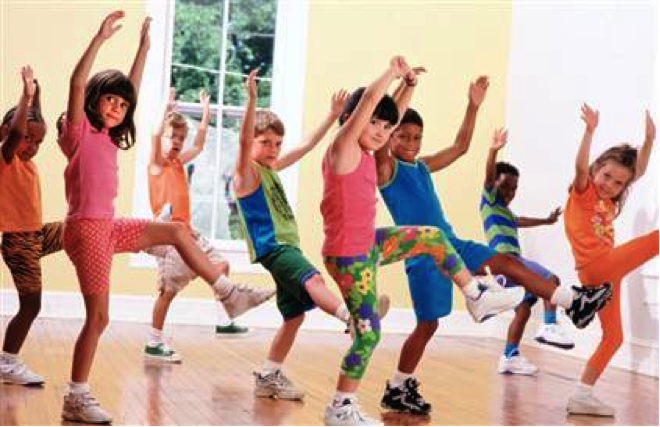
All children need exercise. Physical fitness exercise can decrease body mass index, increase muscle strength, and develop long-term fitness for people with autism.
Websites:
Top 8 Exercises for Autism Fitness
http://autisticson.files.wordpress.com/2013/01/top-8-exercises-for-autism-fitness.pdf
Physical Exercise and Autism
http://www.autism.com/treating_exercise
Positive Impacts of Exercise for Children with Autism
http://www.pelinks4u.org/articles/ElyseMorin0309.htm
Videos:
Autism Exercise Specialist
https://www.youtube.com/watch?v=nkBxciy_tT0
Play Through Autism
https://www.youtube.com/watch?v=4GTTtFNQcXc
Autism Fitness-Stability Ball
https://www.youtube.com/watch?v=f7flHwXbG28
Socialization
"The process whereby an individual learns to adjust to a group and behave in a manner approved by the group" (Encyclopaedia).
Children with autism can have limited social skills. These socialization exercises that will be implemented should help make the child fill confortable and learn new socialization skills.

Websites:
Teaching Socialization: Autism & Behavior Training Solutions.
http://www.autismtrainingsolutions.com/teaching-socialization-0
Socialization & Games Kids Play:
http://www.tacanow.org/family-resources/socialization-games-kids-play/
Autism Speaks
http://www.autismspeaks.org/sites/default/files/documents/family-services/improve_social.pdf
Videos
Social Skills and Games
https://www.youtube.com/watch?v=3v8q9ccSjmU
Developing Social Skills
Evaluation
The exercise intervention program will be evaluated using the rubric
|
|
3 Excellent |
2 Average |
1 Poor |
|
Gross Motor Skills |
-Includes three or more exercises that focus on the gross motor skills. These exercises are included everyday the exercise plan is implemented. |
Includes two exercises that focus on the gross motor skills. These exercises are included everyday the exercise plan is implemented. |
Includes only one exercise that focus on the gross motor skills. These exercises are included everyday the exercise plan is implemented. |
|
Physical Fitness |
-Includes a cardiovascular aerobic exercise for a 20+ minute duration 3 or more times a week. |
Includes a cardiovascular aerobic exercise for a 19-10 minute duration 2 times a week. |
Includes a cardiovascular aerobic exercise for 10-5 minute duration 1 time a week. |
|
Socialization |
-Includes specific commands or directions that allow the student to communicate in all exercises in the program. |
-Includes specific commands or directions that allow the student to communicate in some exercises in the program. |
- Does not include specific commands or directions that allow the student to communicate in any of the exercises in the program. |
|
Creativity |
-Includes a variety of exercises and activities. Clearly demonstrates that the program is individualized to fit their students’ needs. |
Includes a variety of exercises and activities. Vaguely demonstrates that the program is individualized to fit their students’ needs. |
Includes a variety of exercises and activities. Does not demonstrates that the program is individualized to fit their students’ needs. |
Conclusion
After completing your exercise intervention program. I would highly encourage you to implement the program for any child with autism. When implementing the program make sure to have the child take a pre and post test so you are able to see if their physical fitness is improving.
“Exercise is an effective therapy for children, adolescents, and adults with autism. In addition to the health benefits that it provides everyone, it presents children with autism the ability to improve balance and voluntary motor movements, decrease the occurrence of interruptive stereotypic behaviors, improve social competence, attain agility and confidence in sports activities, activate behavioral neurons in the brain, and relief for comorbidities” (Morin).
Credits
References
Children's Health. (n.d.). Gross Motor Skills. Retrieved June 23, 2014, from http://www.healthofchildren.com/G-H/Gross-Motor-Skills.html#b
Editors of Encyclopædia Britannica. (n.d.). socialization (psychology). Encyclopedia Britannica Online. Retrieved June 23, 2014, from http://www.britannica.com/EBchecked/topic/551773/socialization
Physical Activity. (n.d.). WHO. Retrieved June 23, 2014, from http://www.who.int/dietphysicalactivity/pa/en/
Teacher Page
Additional Resources for teachers
PE Links 4 U: This is a great source to learn about the positive impacts of exercise for children with autism.
http://www.pelinks4u.org/articles/ElyseMorin0309.htm
Increasing Physical Activity in Children with Autism
http://www.csuchico.edu/kine/academic_programs/ape/programs/Increasing%…
Autism Speaks: Can Exercise improve behavior?
http://www.autismspeaks.org/blog/2013/06/14/can-exercise-improve-behavi…
The Exercise Connection: Fitness for Autism Spectrum Disorders