
Introduction

Rocks and minerals are everywhere and they are amazing!
Did you know that humans used rocks and minerals millions of years ago to build tools and weapons? Now we use them to build houses, roads, cars, toys and many other things.
Did you know that there are over 4000 minerals on the planet? And did you know that rocks can be found in many things we use at home such as batteries, toothpaste, make-up?
Welcome to the Rocks and Minerals WebQuest.
In this WebQuest, we will examine the characteristics and properties of rocks and minerals and how these properties determine society’s possible uses for them.
PHOTO - Red Rocks Canyon - Waterton National Park, Alberta, Canada
CREDIT: Peter Carroll / All Canada Photo / Universal Images Group / Rights Managed / For Education Use Only
Task

To complete the task, you will need to become a Junior Geologist. Geologist is a scientist who studies rocks and minerals. Together with your classmates, you will form WE ROCK! Club at our school. Your goal is to educate others about the rocks and minerals and share the information in an engaging way so more students would become interested in joining our WE ROCK! Club.
You will be working in groups of 3. Each group will be given one of the following topics to research.
- Sedimentary rocks
- Metamorphic rocks
- Igneous rocks
- Minerals
- The rock cycle
- Our use of rocks and minerals in everyday life
Once you have completed all of your research, you will create a Power Point presentation and present your information to the class. The research you find must be interesting as well as informative. It must include pictures and videos.
From left to right:
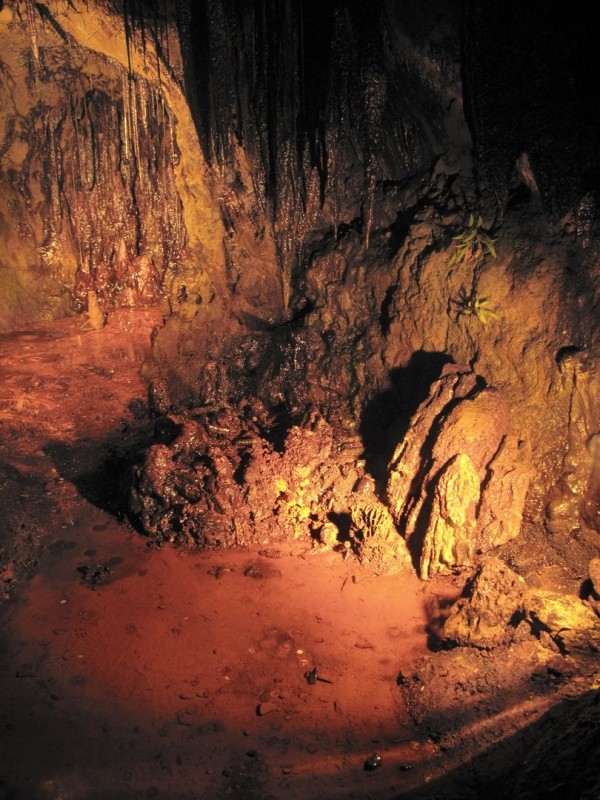
1. Copper mine stalactites
Copper mine stalactites. Stalactites hanging from the ceiling of a cavern in a copper mine. Like the equivalent in limestone rocks, these stalactites form as minerals are dissolved out of the rock by water sinking through the ground. The minerals are then deposited on outcrops on the ceiling as the water emerges from the rock and comes into contact with the air. The water drips to the floor below, and long icicle-like formations of copper minerals are left behind. It can take thousands of years for such stalactites to form.
CREDIT: CORDELIA MOLLOY / SCIENCE PHOTO LIBRARY / Universal Images Group / Rights Managed / For Education Use Only
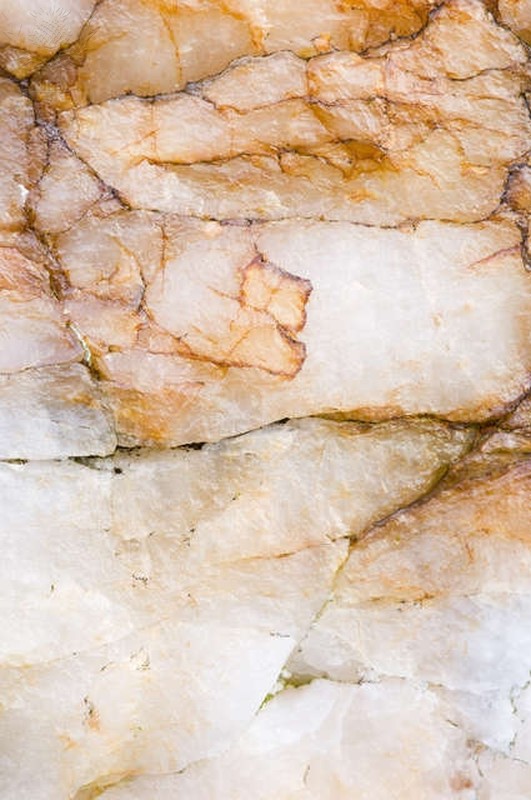
2. Close up of quartz, Scotland, UK
CREDIT: Niall Benvie / Nature Picture Library / Universal Images Group / Rights Managed / For Education Use Only
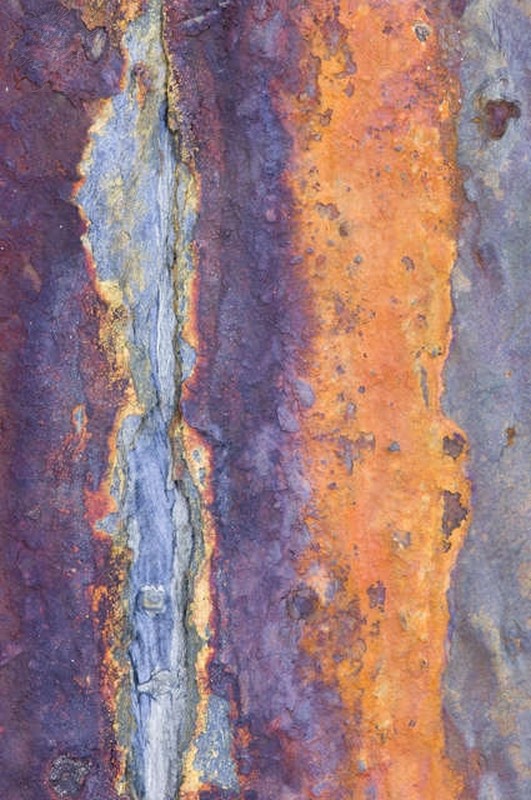
3. Close up of slate, Easdale, Scotland, UK
CREDIT: Niall Benvie / Nature Picture Library / Universal Images Group / Rights Managed / For Education Use Only
Process
STEP 1
- You will be assigned to a group and given a topic to research.
- You will have 2 periods to research your topic. Please see a list of resources to help you get started.
Three Types of Rocks:
- http://www.geography4kids.com/files/earth_rocktypes.html
- https://www.ducksters.com/science/rocks.php
- https://www.rocksforkids.com/rfk/howrocks.html#Rocks
Sedimentary Rocks:
- https://geology.com/rocks/sedimentary-rocks.shtml
- http://www.onegeology.org/extra/kids/sedimentary.html
- https://www.sciencekids.co.nz/sciencefacts/earth/sedimentaryrocks.html
- https://kids.kiddle.co/Sedimentary_rock
 Sing karaoke, then take a quiz to test yourself on your knowledge of sedimentary rocks:
Metamorphic rocks:
- https://kids.britannica.com/kids/article/metamorphic-rock/476295
- https://geology.com/rocks/metamorphic-rocks.shtml
- https://www.coolkidfacts.com/metamorphic-rock-facts/
- https://easyscienceforkids.com/all-about-metamorphic-rock/
- https://www.sciencekids.co.nz/sciencefacts/earth/metamorphicrocks.html
Igneous Rocks:
- https://kids.britannica.com/kids/article/igneous-rock/476280
- https://study.com/academy/lesson/types-of-igneous-rocks-lesson-for-kids.html
- https://www.sciencekids.co.nz/sciencefacts/earth/igneousrocks.html
- https://easyscienceforkids.com/igneous-rock-facts-video-for-kids/
Minerals:
- https://www.ducksters.com/science/earth_science/minerals.php
- https://kids.kiddle.co/Mineral
- https://kidsloverocks.com/educational-resources/what-is-a-mineral/
- https://studyjams.scholastic.com/studyjams/jams/science/rocks-minerals-landforms/minerals.htm
The Rock Cycle:
- http://www.oum.ox.ac.uk/thezone/rocks/cycle/index.htm
- http://www.cotf.edu/ete/modules/msese/earthsysflr/rock.html
- https://www.dkfindout.com/us/earth/rock-cycle/
- https://eo.ucar.edu/kids/green/cycles8.htm
- https://www.kids-fun-science.com/rock-cycle.html
Rocks and Minerals in Everyday Life:
- https://mnch.uoregon.edu/rocks-and-minerals-everyday-uses
- https://www.iaap-aggregates.org/uploads/1/1/0/0/110027599/rocks_and_minerals_in_our_daily_lives.pdf
- https://www.oum.ox.ac.uk/thezone/minerals/usage/home.htm
- https://notyourgrandfathersmining.ca/minerals-in-your-life
- https://www.kids-fun-science.com/rock-cycle.html
STEP 2
- You will use the information learned and put it into a Power Point Presentation.
- Your presentation must have at least 7 slides, including a title page, table of contents and resources.
- Information must be well organized. Remember to use images and videos.
STEP 3
- You will present your Power Point Presentation to the class. Presentation has to be 5-10 minutes in length.
- Each person in the group is responsible for a part in the presentation.
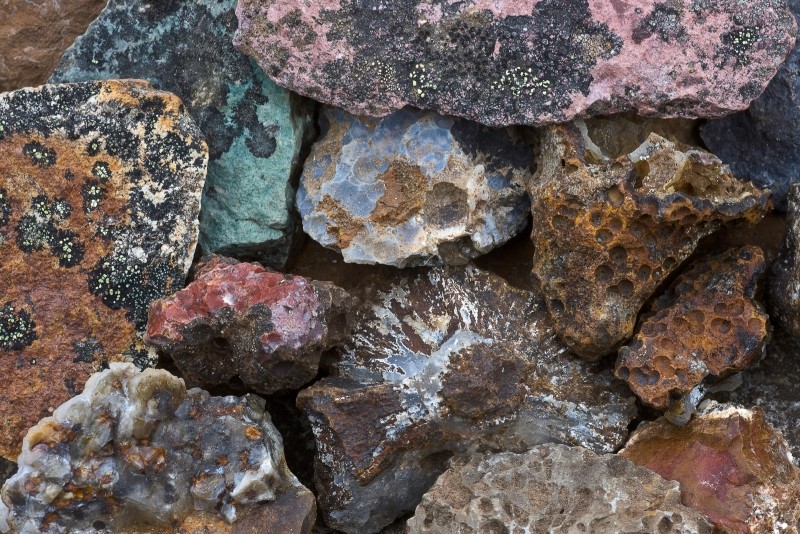
Volcanic rocks in the Rainbow Mountains of Tweedsmuir Park, British Columbia, Canada
CREDIT: Chris Harris / All Canada Photo / Universal Images Group / Rights Managed / For Education Use Only
Evaluation

Conclusion
Congratulations! Well done!
You have completed your Webquest. You are a Rocks and Minerals expert now! I hope you enjoyed your journey and learned a few new things along the way.
Please click on the following link to answer these questions: https://forms.office.com/r/TQWYhMntRx
- What is the coolest thing that you learned about rocks and minerals and their uses from this WebQuest?
- What else do you want to know about rocks and minerals?
- What are you going to do to learn more?
Credits
All images are taken from Britannica ImageQuest.
Teacher Page
This WebQuest was designed in alignment with the learning objectives from the Ontario Curriculum Guide for Science and Technology - Grade 4.
The WebQuest requires and encourages students to be creative and innovative when researching and communicating their topic. It also encourages communication and collaboration skills with peers and teacher. Equally important, students will use technology tools that enhance researching and information fluency skills.
Curriculum Connections
- Overall Expectations:
2. investigate, test, and compare the physical properties of rocks and minerals;
3. demonstrate an understanding of the physical properties of rocks and minerals.
- Specific Expectations:
2.4 use scientific inquiry/research skills (see page 15) to investigate how rocks and minerals are used, recycled, and disposed of in everyday life;
3.1 describe the difference between rocks (composed of two or more minerals) and minerals (composed of the same substance throughout), and explain how these differences determine how they are used;
3.2 describe the properties (e.g., colour, lustre, streak, transparency, hardness) that are used to identify minerals;
3.3 describe how igneous, sedimentary, and metamorphic rocks are formed;
3.4 describe the characteristics of the three classes of rocks and explain how their characteristics are related to their origin.