
Introduction
Introduction
This is about research on cells and their summarys, so join me on this journey to tell you about cells!
Task
Task
let's discuss of what were going to do now that we know the circumstance
this webquest will give us a quick review of the interesting world of cells
and after it, we'll learn some facts regarding how these cells function
so lets begin
Process
Process
1.
How does the stomach prevent itself from digesting itself?
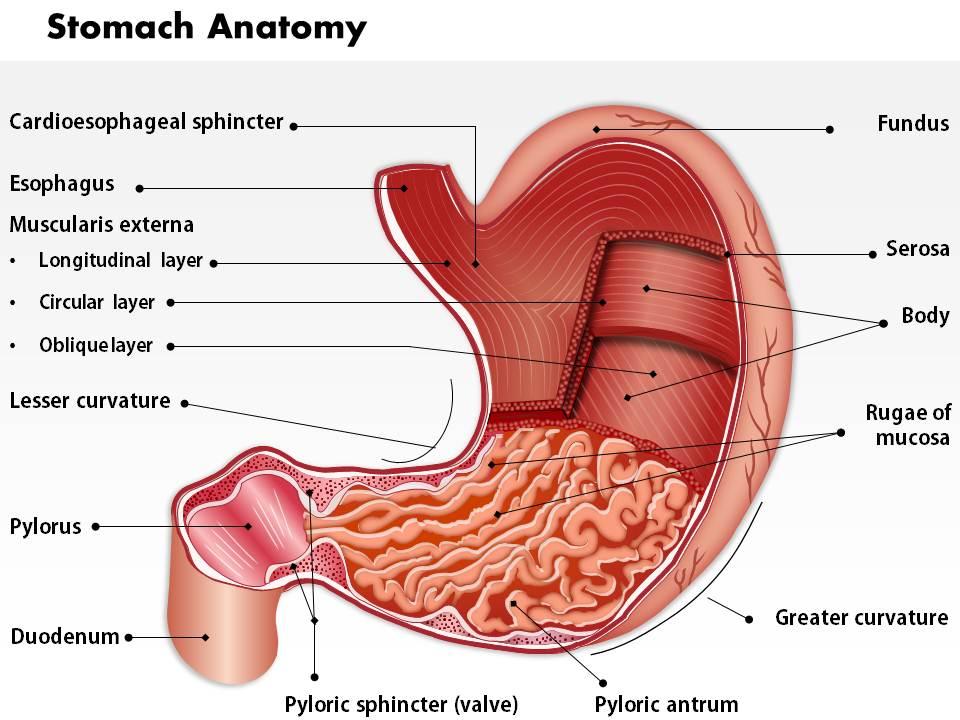
The stomach does not digest itself because it is lined with epithelial cells, which produce mucus. This forms a barrier between the lining of the stomach and the contents.Enzymes, which make up part of the digestive juices are also secreted by the stomach wall, from glands with no mucus barrier. To prevent the cells which produce the enzymes from being digested in the process the enzymes are produced in an inactive state.
2.How are frog eggs being used in research involving human cells?
It is a type of damage that is very difficult to study. To do so, the researchers prepared protein extracts from frog eggs. These extracts contain the same proteins that are found in human cells, and therefore represent a good model to study these.
3.How might fat cells be able to help people with spinal cord injuries?
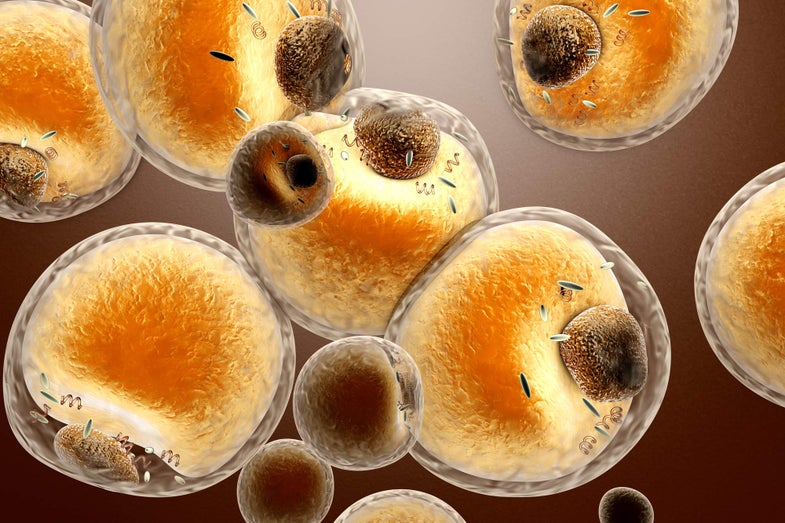
Fat cells, plentiful and easily obtained from adipose tissues without discomfort and grown under culture conditions as de-differentiated fat cells (DFAT), have been for the first time shown to successfully differentiate into neuronal cells in in vivo testsNeural cells, however, have a completely different origin than the cells found in human fat tissue.
4.What are Schwann cells? How are they affected in multiple sclerosis
patients?
Schwann cells surrounding neurons protect corruption of cells by blocking a blood clotting protein. These things may aid genetic and molecular mechanisms like multiple sclerosis
5.What do researchers think is one cause of memory impairment related to
growing older? What does new research show that may be able to help
reverse this process?
Blood flow to the brain is frequently reduced as people grow older. With age, brain stop growing as well
Evaluation
Evaluation
Conclusion
Conclusion
summary
wait but what are cells?
the cell is the smallest unit of life.
they are the smallest living organism. and we probably would not be alive if we didnt have cells.cells make up everything. they are three main parts of the cell,the membrane,the nucleus,and the cytoplasm. the membrane surrounds the cell and protects it from its surroundings.Cells are structural, and functional. a cell can replicate itself independently.