
Introduction
Soil Erosion Causes and Effects:
Introduction
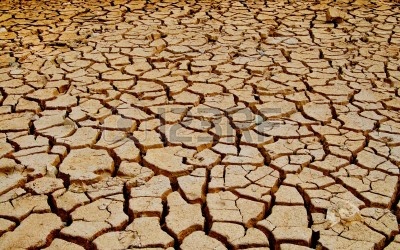
Soil erosion is a naturally occurring process that affects all landforms. In agriculture, soil erosion refers to the wearing away of a field's topsoil by the natural physical forces of water and wind or through forces associated with farming activities such as tillage.
Erosion, whether it is by water, wind or tillage, involves three distinct actions – soil detachment, movement and deposition. Topsoil, which is high in organic matter, fertility and soil life, is relocated elsewhere "on-site" where it builds up over time or is carried "off-site" where it fills in drainage channels. Soil erosion reduces cropland productivity and contributes to the pollution of adjacent watercourses, wetlands and lakes.
Soil erosion can be a slow process that continues relatively unnoticed or can occur at an alarming rate, causing serious loss of topsoil. Soil compaction, low organic matter, loss of soil structure, poor internal drainage, salinisation and soil acidity problems are other serious soil degradation conditions that can accelerate the soil erosion process.
Task
To complete your task you need to answer the following questions:
- What is soil erosion?
- What are the causes and effects of soil erosion?
- Is it the erosion of water,wind and tillage?
Process
Follow instructions:
- work in groups of three
- choose the speaker of your group who assigns the tasks to the members of your group and will present your results
- find information related to the topic
- share and discuss your findings and ideas within the group
- answer all questions given in the task
Evaluation
| Categories | Water | Wind | Tillage |
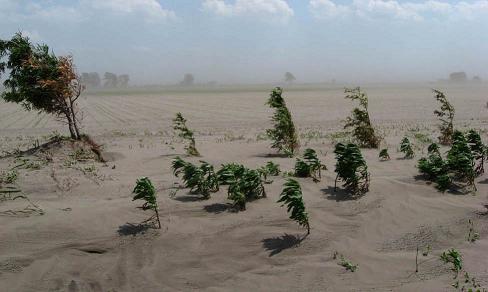
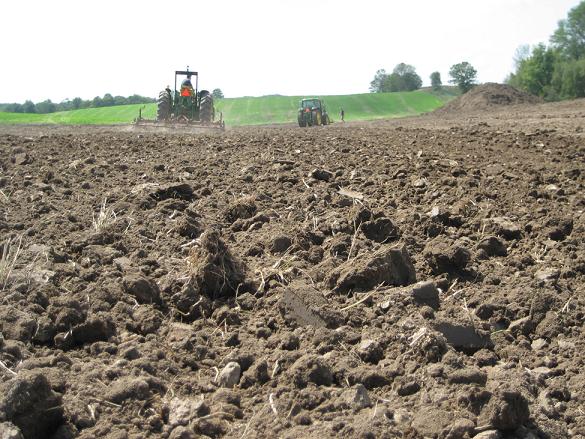
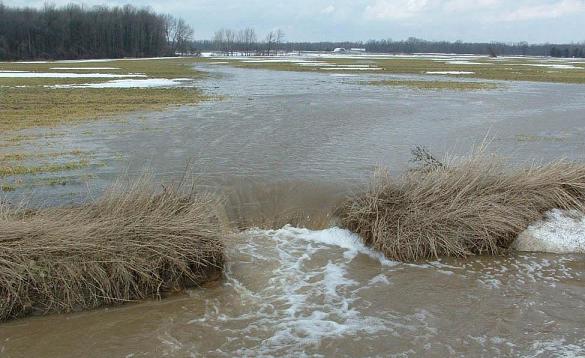
| Description | caused by the kinetic energy of rain falling on the soil surface and the mechanical force of runoff | removal soil particles by the force and kinetic energy of the wind | redistribution of soil through the action of tillage and gravity |
| Factors and Causes | Rainfall intensity and runoff, soil erodibility,slope gradient and length, vegetation | erodability of soil,soil surface roughness, climate , unsheltered distance and vegetative cover | type of tillage equipment, direction, speed and depth and number of passes |
| Effects | lost of natural nutrients,seed can be disturbed,quality,structure, stability, and texture,holding capacity of the soil,contribute to road damage, contaminate water resources and recreatinal areas | crops can be completely ruined, sandblasted, soil drifting and continual drifting | poor soil structure and loss of organic matter,changes in soil structure and texture |
Conclusion
Many farmers have already made significant progress in dealing with soil erosion problems on their farms. However, because of continued advances in soil management and crop production technology that have maintained or increased yields in spite of soil erosion, others are not aware of the increasing problem on farmland. Awareness usually occurs only when property is damaged and productive areas of soil are lost.
The increase in extreme weather events predicted with climate change will magnify the existing water and wind erosion situations and create new areas of concern. Farmland must be protected as much as possible, with special attention to higher risk situations that leave the soil vulnerable to erosion.
Resources
- OMAFRA Factsheet, Universal Soil Loss Equation (USLE), Order No. 12-051.
- BMP 06, Soil Management.
- BMP 26, Controlling Soil Erosion on the Farm.