
Introduction
This page is created to trigger students´ motivation to read as well as to show them the multiple negative consequences a person may have when reading is not part of their rou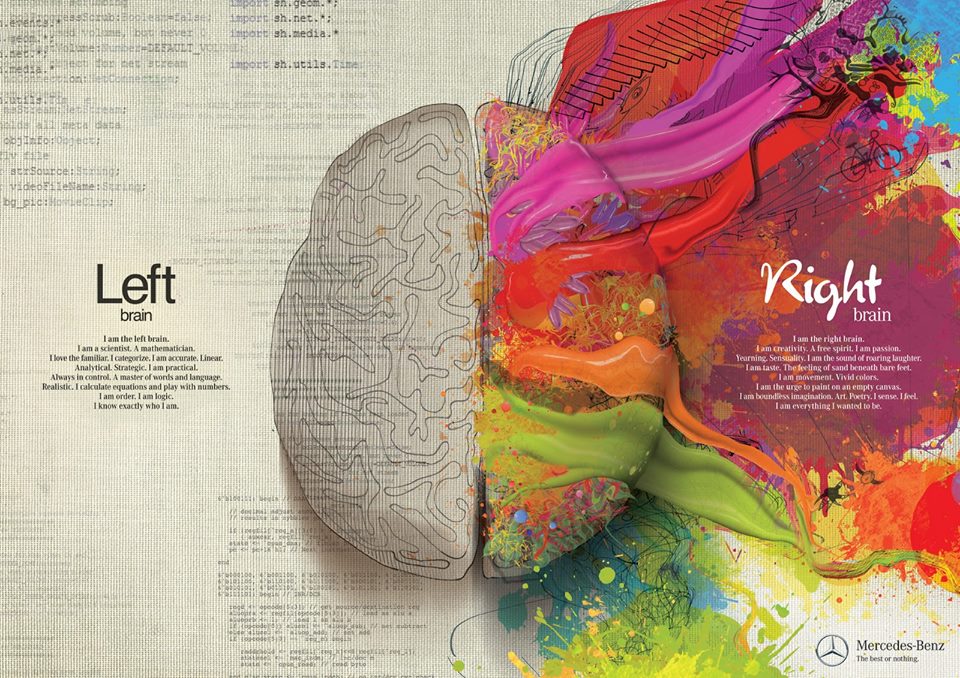 tine
tine
Task
It is our task as future teachers to be aware of our responsability in the progress of our country in it´s academic development, that´s why here we attached the link of our blog, in order to give you an idea of the paramount importance of reading and how reading is used to train our brain to face different cognitive process, problem solving among others.
Process
Here are attached some useful links that invite us to do a better use of our brain, recognizing how it works and that show us how reading enhances and prepares our brain in order to succeed in our academic tasks. You can also find interesting topics regarding education and any kind of text that promotes critical thinking
http://www.readingrockets.org/article/29624
http://jorgegomezarias.blogspot.com/p/teoria-de-las-seis-lecturasthis-is.html
http://www.rightbrainintelligence.com/braindominanttest.htm
http://www.mindtools.com/rdstratg.html
http://apcentral.collegeboard.com/apc/public/repository/AP_CM_Eng_Lit_differential_instruction.pdf
http://www.columbiaconsult.com/pubs/v52_fall07.html
http://www.jneurosci.org/content/33/37/14899.full
http://www.readingrockets.org/article/29624
http://jorgegomezarias.blogspot.com/p/teoria-de-las-seis-lecturasthis-is.html
http://www.rightbrainintelligence.com/braindominanttest.htm
http://www.mindtools.com/rdstratg.html
http://apcentral.collegeboard.com/apc/public/repository/AP_CM_Eng_Lit_differential_instruction.pdf
http://www.columbiaconsult.com/pubs/v52_fall07.html
http://www.jneurosci.org/content/33/37/14899.full
http://www.unesco.org/education/pdf/DELORS_S.PDF
http://www.unesco.org/education/pdf/DELORS_S.PDFwww.unesco.orghttp://ir.uiowa.edu/cgi/viewcontent.cgi?article=1239&context=mzwphttp://ngm.nationalgeographic.com/2014/02/brain/zimmer-text
Evaluation
When we read, whatever the text is about, we create in our minds an idea of the text in general and of the point of view of the author, according to this we interact with the text, we stablish a dialogue and at the end we sure might have an advantage of what we read, we may have had an experience that may even change our life!
Here we have a set of questions that may help you understand the text and can help you developing a better understanding of your reading comprenhension.
1) Which part of the reading did you enjoy the most?
2) Did you identify the authors´ mood?
3) When did you begin to enjoy the reading?
4)When you decide to give up?
5)Would you read something else from the same author?
6)Did you like the author´s style?
Conclusion
It is time for you to design your own reading plan for this week!