
Introduction
Your Mission:
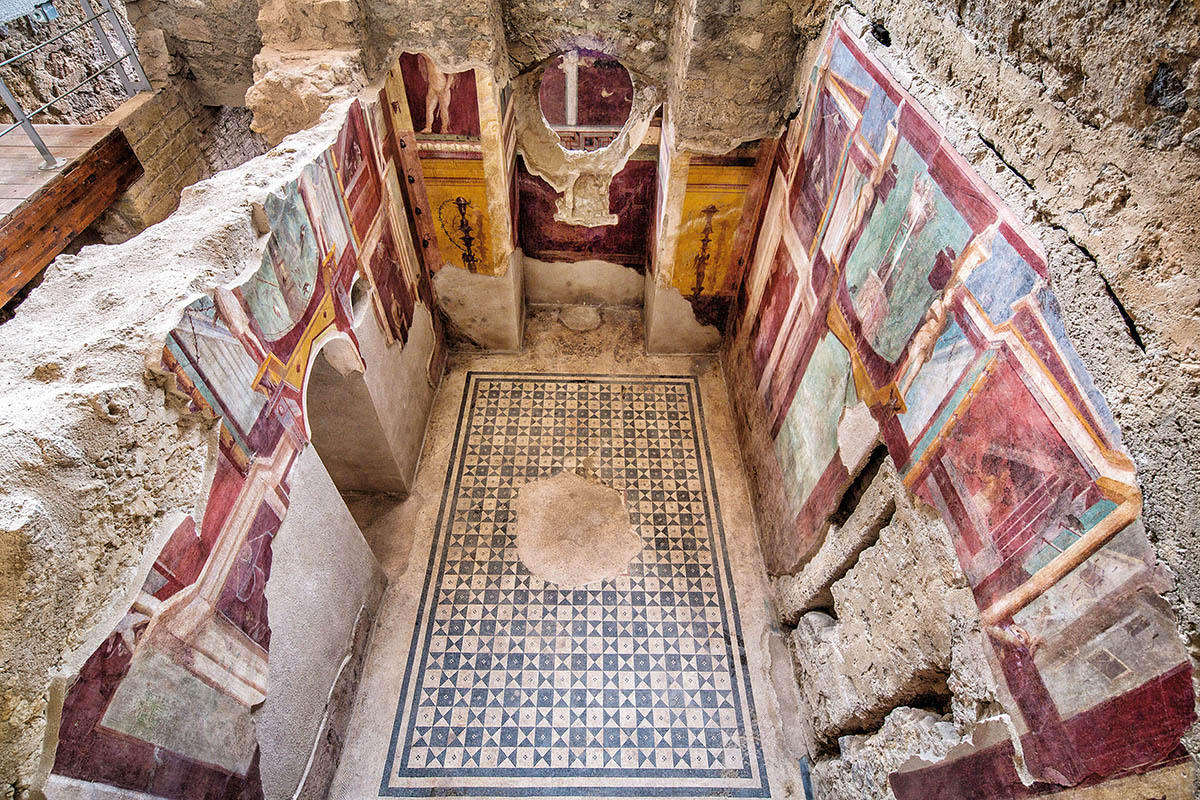
You are part of an archaeological team investigating the ancient Roman city of Pompeii.
Your investigation will take you from the destruction of Pompeii in AD 79, through its rediscovery hundreds of years later, to the work archaeologists continue to do today.
You will investigate how archaeologists excavate a site and what the discoveries at Pompeii can tell us about Roman life.
Your final challenge is to answer the question 'How did archaeologists uncover the secrets of Pompeii?'. This can be through a poster, a written report, a presentation, or anything else you want to use to show your learning.
Task
🕰️ TASK 1: The Story of Pompeii
Build the archaeological timeline
Your first task is to investigate what happened to Pompeii over time and build a timeline.
✏️ Your timeline should have the following dates: AD 79 → 1590s → 1748 → 1763 → Today
For each date, please write one or two sentences OR draw something which represents what happened at that point in the timeline.

First Date: 🌋 AD 79
What happened to Pompeii?
You should be able to find out about the eruption of Mount Vesuvius and what happened to the city.
Use the sources in the table at the bottom of the page to help you.
Second Date: 🔎 1590s (Late 16th Century)
Who was the first person to find the ruins of Pompeii?
Use: Britannica Article Option Two
Third Date: ⛏️ 1748
What happened in 1748?
Find out when proper excavations began and what happened during the early investigations.
Use:
Pompeii Archaeological Park – Excavations
Fourth Date:🏺 1763
How did archaeologists confirm that the site was actually Pompeii?
Investigate the evidence that helped identify the site.
📍 Today
Is Pompeii still being excavated?
Find out what archaeologists are doing at Pompeii today.
Use:
|
Sources to use for your timeline (you do not need to use them all): |
|
Process
🏺 TASK 2: Investigate the Evidence
Now you are going to investigate what archaeologists actually found at Pompeii.
Use these sources:
Pompeii Artefacts - The British Museum and Pompeii Sites - Analysis
Find three different pieces of archaeological evidence from Pompeii.
These could include:
- mosaics
- paintings
- pottery
- coins
- tools
- shops
- graffiti
- food
- streets
Complete the table with your findings or draw and label pictures of the different types of archaeological evidence you found.
| Discovery | What is it? | What can it tell us about Pompeii? |
|---|---|---|
| 1 | ||
| 2 | ||
| 3 |
Evaluation
🔍TASK 3: Put Yourself in the Archaeologist's Shoes
Imagine that you are excavating Pompeii.
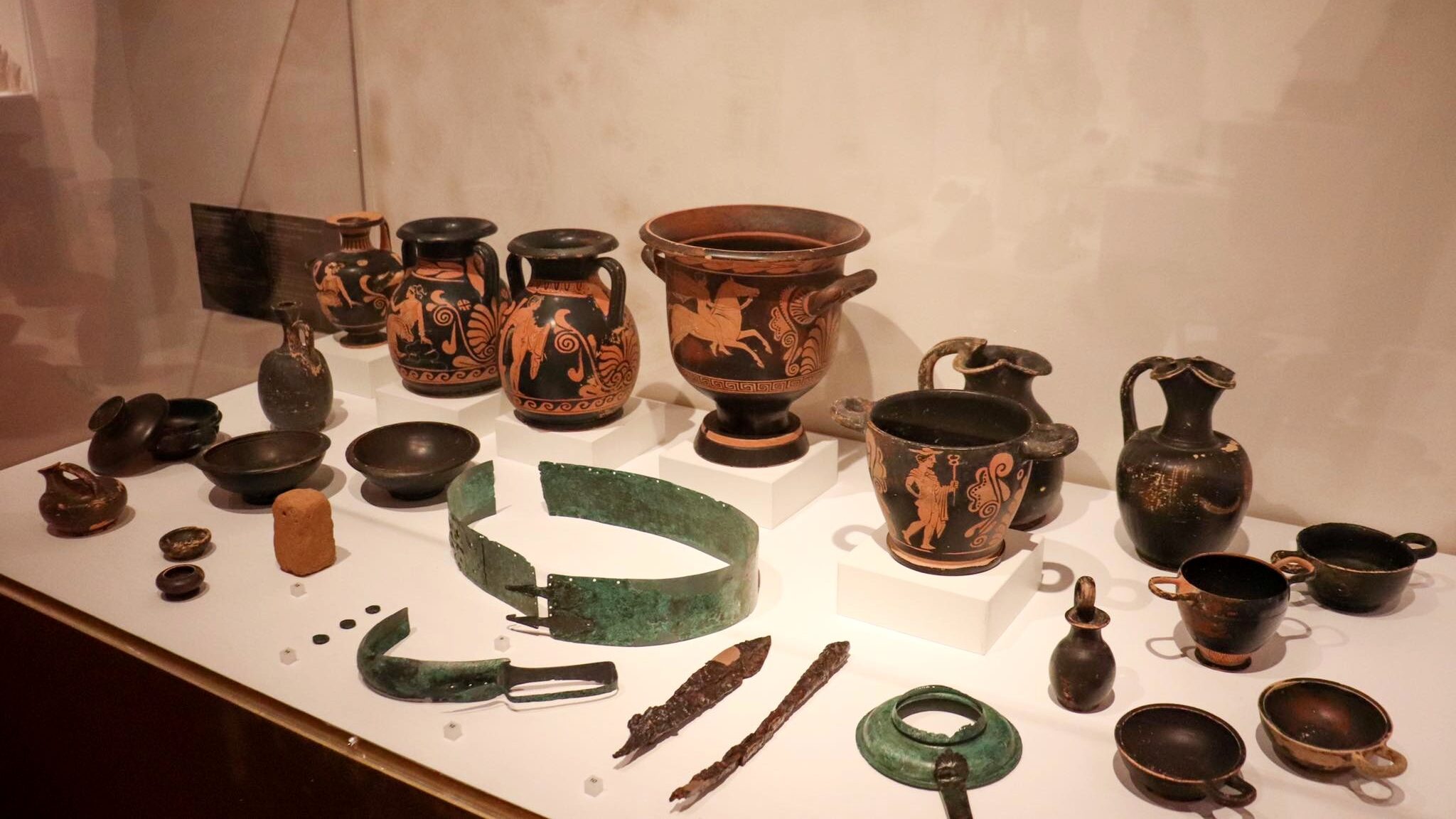
You have just discovered a Roman house.
You find:
- a coin
- pottery
- a wall painting
- tools
- animal bones
Using what you learned about the work of a Historian and an Archaeologist, explain what you would do next.
You should explain at least three stages of the archaeological process or the steps you took to excavate the site and find these artefacts. You can use your Making History textbook to help you.
For example:
First, I would...
Next, I would...
After that, I would...
This is important because...
Conclusion

🏛️ FINAL TASK
Congratulations, you are now the archaeological expert!
You have investigated the destruction, rediscovery and excavation of Pompeii.
You must now answer the big question:
How did archaeologists uncover the secrets of Pompeii?
You choose how you want to present your answer.
You could create:
📰 A poster
📄 A written report
🎤 A presentation
🎬 A video/documentary
📖 A digital booklet
🎨 Something else of your choice
Your format is your choice!
Your final product must demonstrate that you can:
☐ Explain what happened to Pompeii in AD 79
☐ Explain how Pompeii was rediscovered
☐ Include the important dates in the archaeological timeline
☐ Use at least three examples of archaeological evidence
☐ Explain what those discoveries can tell us about Roman life
☐ Use appropriate historical vocabulary (such as 'artefact' and 'excavate').