
Introduction
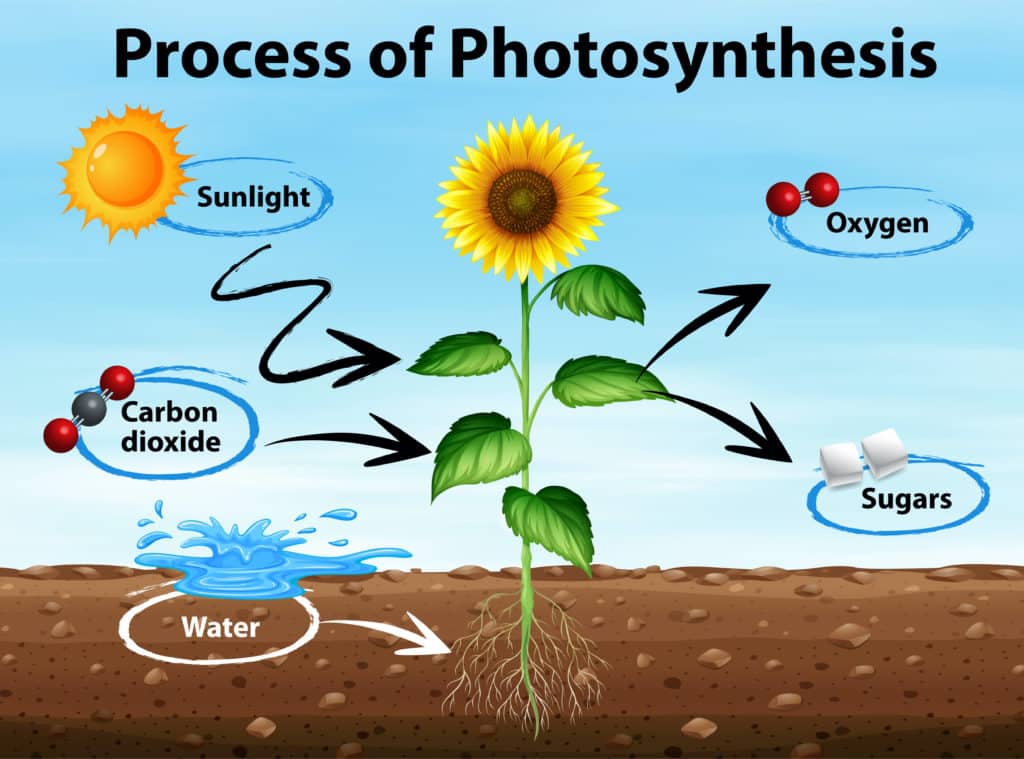
Good day students
In this topic we are going to focus on the process of photosynthesis and
the factors that influence the rate of photosynthesis.
Please find the attached introductory video below.
Task
By the end of this lesson, learners will be able to:
- Define the term photosynthesis.
- List four factors that influence the rate of photosynthesis.
- Provide the end products of the process.
- Discuss the two phases that photosynthesis undergoes.
- Know the small openings in the lower surface of the leaf.
CLASS ACTIVITY INSTRUCTIONS
- Read the questions carefully.
- All diagrams must be drawn in pencil.
- Label diagrams correctly
- Due date: 10 September 2022
CLASS ACTIVITY
1. Explain the process of photosynthesis. (2)
2. Name the organelle responsible for the process of photosynthesis and the exact location. (2)
3. Briefly discuss the light phase. (5)
4. Which phase occurs in the absence of sunlight? (1)
(a) Light phase
(b) Dark phase
5. Provide the function of the stomata. (2)
6. List the four factors of that contribute in the process of photosynthesis. (4)
7. Deduce the gas that is taken in by plants. (1)
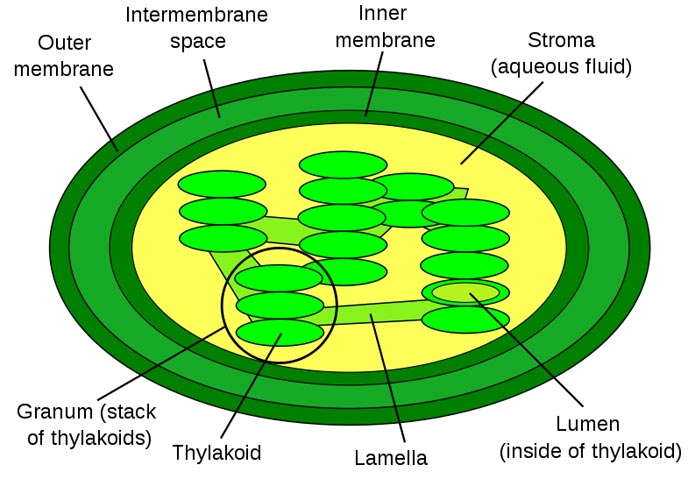
8. Draw and label the structure of the chloroplast. (5)
9. Name the gas that leaves the stomatal pores. (2)
10. What is the biological term for a stack of grana (2)
TOTAL MARK: 26
Process
❌ Photo unavailable
- Visit the introductory video about photosynthesis on introduction.

- Then go to task for the videos with content on photosynthesis.
- Ensure to consult other sources like the 'Mind the gap Life sciences' textbook.

After watching the videos, complete the activity based on the content.

Go to Evaluation for corrections after completing the activity.
Evaluation
MEMORANDUM
1. During photosynthesis, plants take in carbon dioxide and water from the air and soil. Within the plant cell, the water is oxidized, meaning it loses electrons while the carbon dioxide is reduced, meaning it gains electrons. This transforms the water into oxygen and the carbon dioxide into glucose.
2. It is the chloroplast.
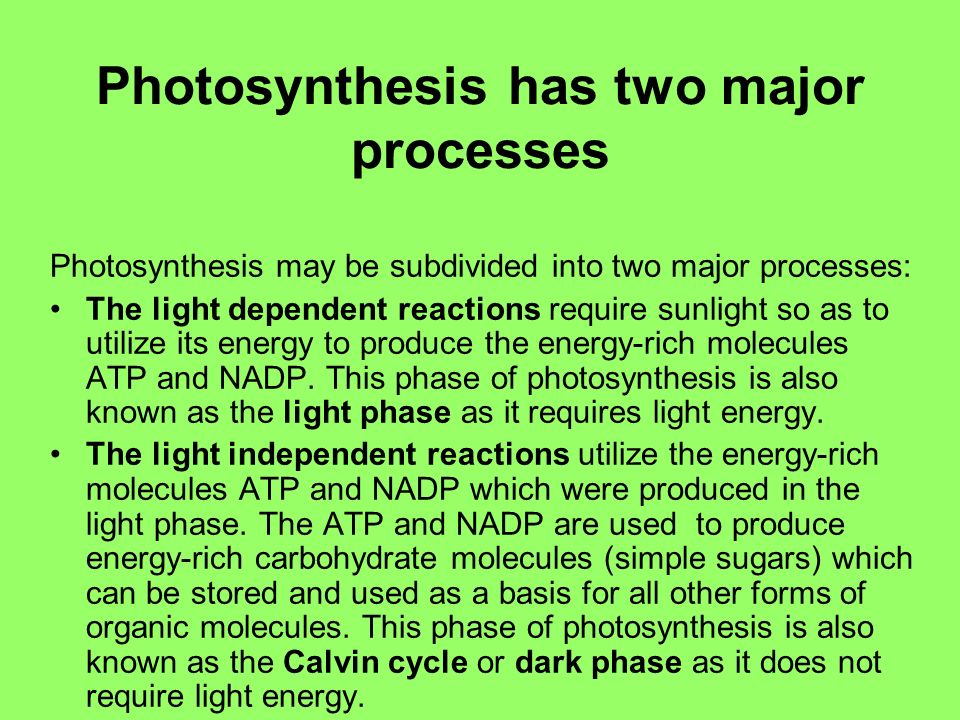
3.
4. b
5. It regulates gas exchange between the plant and environment and control of water loss by changing the size of the stomatal pore.
6.
- Temperature
- Light intensity
- Water
- Carbon dioxide
7. Carbon dioxide
8.
9. Oxygen
10. Thylakoid
TOTAL MARK: 26
Conclusion
Please complete the questionnaire below.
1.How was the lesson?
2. Were you able to access the web quest without any difficulties?
3. Were the videos helpful?
4. Is the information on the videos understandable?
5. Did you find the lesson interesting and fun?
Hoping to see you in the next class. Thank you!
Credits
Teacher Page
- Ms T. Makaula
- BED SPFET 3rd year student
- Cape peninsula university of technology
- Student number: 220016410