
Introduction
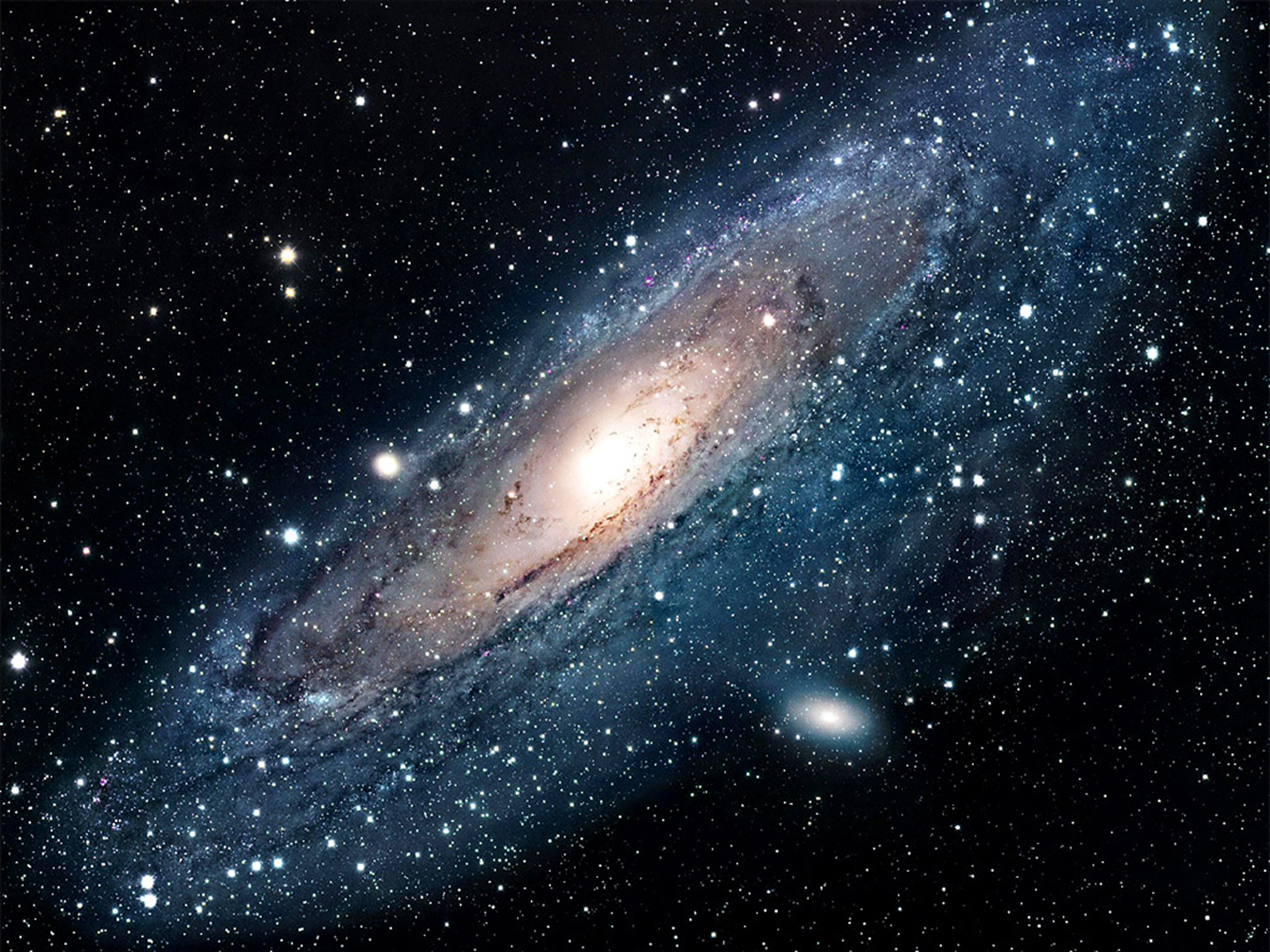
Our universe is a large and unimaginable expanse of dust, gas, stars, clouds, galaxies, and life.
Get creative because it's time to explore the major components of the universe.
This assignment will have you explore different websites to navigate the universe. Make sure to pay attention because you will use these websites to make a model of one aspect of the universe. It is your choice of which mode you would like the take advantage of to create.
Task
By the end of this webquest, you should be able to identify the major components of the universe. You will have filled out your worksheets, provided at the beginning of class, and will have created a model of one aspect of the universe of your choice. You can build or draw your choice for presentation after you've explored. You will also be able to differentiate between the different planets using their specific characteristics.
You will use these eight websites to explore the different components of the universe. Make sure you are taking notes on your worksheets in order to receive full credit for this webquest.
http://spaceplace.nasa.gov/solar-system-explorer/en/#/review/solar-syst…
http://sciencezine.net/science/astronomy/cosmology/universe/
http://www.kidsastronomy.com/universe.htm
https://www.spacetelescope.org/science/composition_of_universe/
http://www.partstap.com/parts-of-the-universe-the-solar-system.aspx
http://www.windows2universe.org/games/junk_intro.html
http://www.nuffieldfoundation.org/science-society/activities-universe
Process
This is not a group project. You will have two class periods to complete this webquest.
Step 1: Fill out worksheets provided at the beginning of class. You must label all major components correctly to receive full credit.
Step 2: Research the websites provided to you to learn more about the Universe. Two of these websites are games that will require you to have read and understood the components before you play. Pick ONE component from the many options to create a model or drawing of to present at the end of class.
Step 3: Present your component to class. 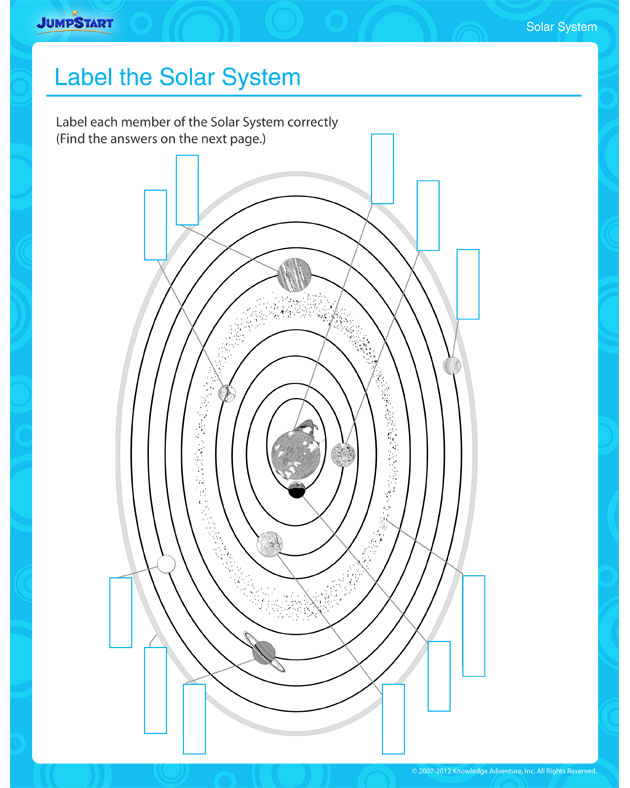
Evaluation
This webquest will have two sections that factor into your overall grade for the project:
The completed worksheet will count for 40% of your overall grade. This will be graded based on the amount of questions you answer correctly.
The model/drawing of your component of the universe as well as your presentation of such will count for 60% of your overall grade. This will be graded using this rubric.
| CATEGORY | 4 | 3 | 2 | 1 |
| Content | Shows a full understanding of the topic. | Shows a good understanding of the topic. | Shows a good understanding of parts of the topic. | Does not seem to understand the topic very well. |
| Comprehension | Student is able to accurately answer almost all questions posed by classmates about the topic. | Student is able to accurately answer most questions posed by classmates about the topic. | Student is able to accurately answer a few questions posed by classmates about the topic. | Student is unable to accurately answer questions posed by classmates about the topic. |
| Speaks Clearly | Speaks clearly and distinctly all (100-95%) the time, and mispronounces no words. | Speaks clearly and distinctly all (100-95%) the time, but mispronounces one word. | Speaks clearly and distinctly most ( 94-85%) of the time. Mispronounces no more than one word. | Often mumbles or can not be understood OR mispronounces more than one word. |
| Posture and Eye Contact | Stands up straight, looks relaxed and confident. Establishes eye contact with everyone in the room during the presentation. | Stands up straight and establishes eye contact with everyone in the room during the presentation. | Sometimes stands up straight and establishes eye contact. | Slouches and/or does not look at people during the presentation. |
| Stays on Topic | Stays on topic all (100%) of the time. | Stays on topic most (99-90%) of the time. | Stays on topic some (89%-75%) of the time. | It was hard to tell what the topic was. |
| Props | Student uses several props (could include costume) that show considerable work/creativity and which make the presentation better. | Student uses 1 prop that shows considerable work/creativity and which make the presentation better. | Student uses 1 prop which makes the presentation better. | The student uses no props OR the props chosen detract from the presentation. |
| Volume | Volume is loud enough to be heard by all audience members throughout the presentation. | Volume is loud enough to be heard by all audience members at least 90% of the time. | Volume is loud enough to be heard by all audience members at least 80% of the time. | Volume often too soft to be heard by all audience members. |
Credits
Thank you to these wonderful websites for providing us the ability to use this information in the pursuit of education about the Universe.
http://spaceplace.nasa.gov/solar-system-explorer/en/#/review/solar-syst…
http://sciencezine.net/science/astronomy/cosmology/universe/
http://www.kidsastronomy.com/universe.htm
https://www.spacetelescope.org/science/composition_of_universe/
http://www.partstap.com/parts-of-the-universe-the-solar-system.aspx
http://www.windows2universe.org/games/junk_intro.html
http://www.nuffieldfoundation.org/science-society/activities-universe