
Introduction
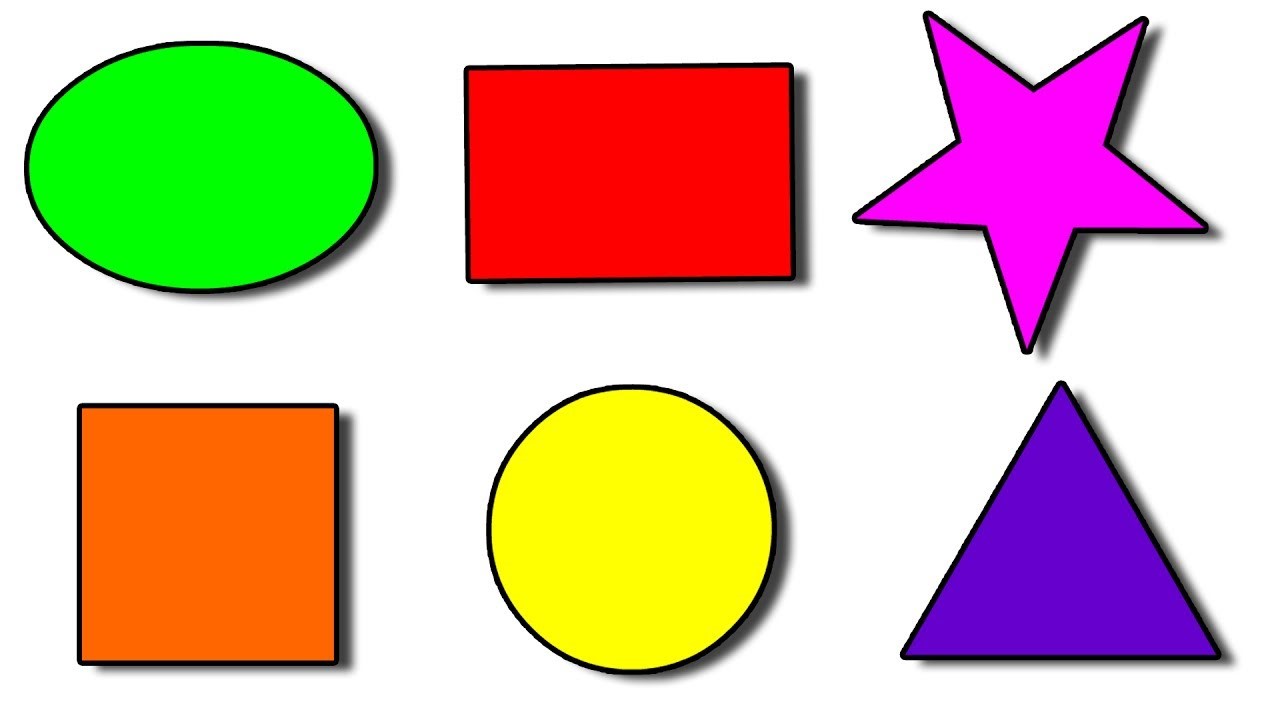
Shapes are everywhere! We see them in buildings, signs, toys, and even food. Today you will become a Shape Detective. You will explore fun videos and pictures online to learn about different shapes like circles, squares, triangles, and rectangles. While you explore, you will answer questions and look for shapes you recognize. By the end of the WebQuest, you will be able to identify shapes and find them in the world around you.
Task
Your job is to explore the websites below and learn about shapes. As you watch the videos and look at the pictures, answer the questions on the worksheet. When you finish, you will be able to identify shapes and explain where we see them in everyday life.
- Click on each website link.
- Watch the video or explore the page about shapes.
- Answer the questions on your worksheet.
- Work carefully and do your best.
- When you finish, share one place where you see shapes in your classroom.
Process
-
https://www.youtube.com/watch?v=OEbRDtCAFdU
(Shapes song for kids) -
https://www.youtube.com/watch?v=3ItG0j0Sgq0
(Learn shapes video) -
https://www.abcya.com/games/shapes
(Interactive shapes game) -
https://www.starfall.com/h/geometry/
(Shape learning activity) -
https://kids.kiddle.co/Shape
(Simple explanation of shapes)
Quiz
-
What shape has three sides?
Answer:
-
What shape looks like a ball?
Answer:
-
How many sides does a square have?
Answer:
-
What shape looks like a door or book?
Answer:
-
Name one shape you saw in the video.
Answer:
-
Find something in your classroom shaped like a circle. What is it?
Answer:
-
What shape has four equal sides?
Answer:
-
Look around your room. What object looks like a rectangle?
Answer:
-
Draw your favorite shape.
Answer:
-
Why are shapes important in everyday life?
Answer:
Conclusion
Great job, Shape Detective! Today you learned about circles, squares, triangles, and rectangles. Shapes are all around us in the world.Now that you know how to recognize shapes, try finding them at home, in school, and outside.
Credits
Teacher Page
South Carolina College- and Career-Ready Mathematics Standard:
1.G.1 – Reason with shapes and their attributes.
Students will distinguish between defining attributes (e.g., triangles are closed and three-sided) and non-defining attributes (e.g., color, orientation, overall size). Students will build and draw shapes that possess defining attributes.