
Introduction
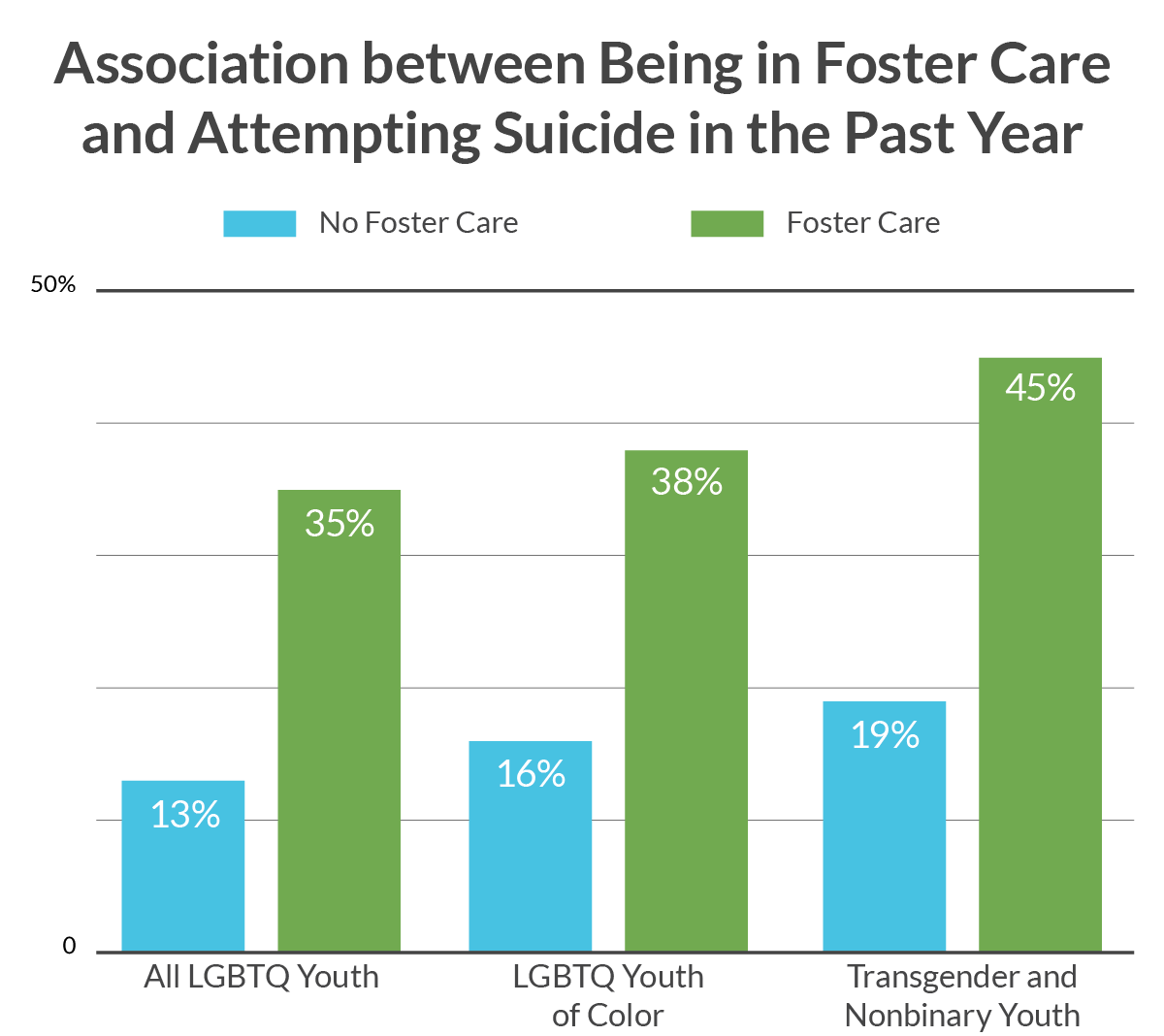
LGBTQ+ youth in foster care face unique challenges, including discrimination, lack of affirming environments, and higher rates of mental health issues. Research suggests that when placed in supportive, inclusive settings, these youth experience improved outcomes, including higher rates of permanency and lower rates of suicidal ideation.
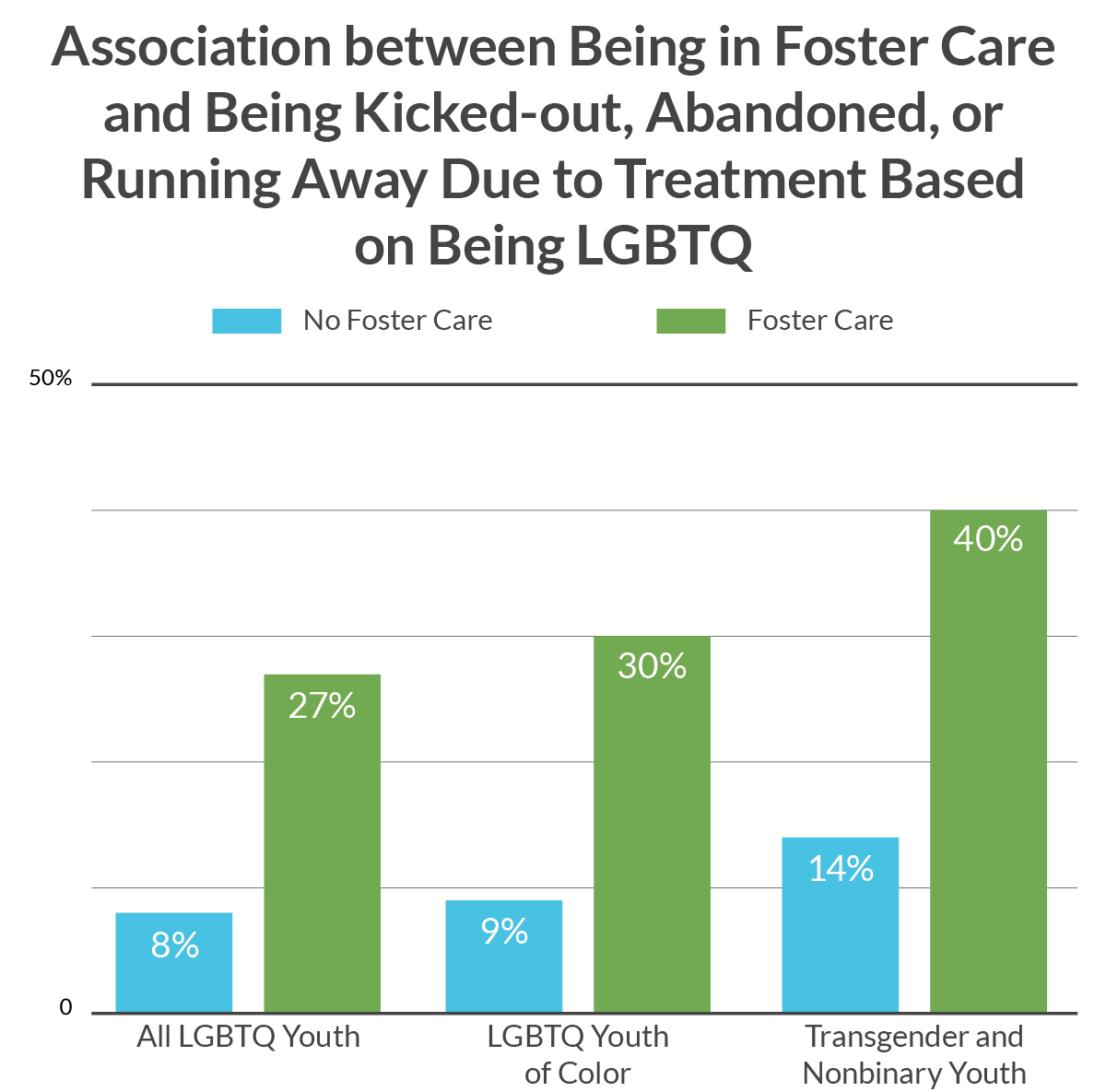
Rainbow Bright Futures is a nonprofit created to uplift and protect LGBTQ+ youth in foster care. Research shows that these young people are overrepresented in the system and face higher rates of victimization, mental health challenges, school instability, and discrimination. But the research also proves something important: when LGBTQ+ youth are placed in affirming homes, supported by trained adults, and surrounded by safe, inclusive environments, their outcomes improve. They experience better mental health, stronger self-esteem, and a greater chance at permanency.
Task
Rainbow Bright Futures was built to make those changes happen. Our mission is to push for real policy reform, expand mental health support, and create training for foster parents and child-welfare staff so LGBTQ+ youth are treated with dignity and safety. We want every young person in foster care to feel seen, respected, and supported. By promoting inclusive practices, stronger protections, and community-based support, Rainbow Bright Future is working to create systems where LGBTQ+ youth not only survive but grow, heal, and thrive.
A major part of our work is training foster parents, social workers, case managers, and child welfare staff. Our trainings teach adults how to support LGBTQ+ youth in ways that are respectful, culturally aware, and trauma-informed. We partner with the Hampton Roads LGBTQ Life Center to expand these trainings and reach more agencies across the region. We also plan to work with the Biden Administration’s child welfare policy “Designated Placement” for LGBTQI+ children, which requires specific training and provision of appropriate resources that support the health and well-being of the young person such as mental health care. Every LGBTQI+ person in the foster care system must have access to a Designated Placement and an agency must have an adequate number of Designated Placements available to meet the need.
Rainbow Bright Futures also provides direct outreach for LGBTQ+ youth. We plan to create a small and safe gathering space in Norfolk where youth can connect with trusted adults, access resources, participate in support groups, and feel a sense of belonging. This space will be supported by five dedicated staff members who will lead outreach, host trainings, and offer day-to-day support to youth and families.
Process
Rainbow Bright Futures envisions a child welfare system where every LGBTQ+ young person in Hampton Roads is safe, supported, and affirmed. Our goal is to change policies that continue to harm LGBTQ+ youth and replace them with protections that guarantee inclusive placements, trauma-informed care, and equal treatment across all foster homes and agencies. We aim to train foster parents and child welfare workers so they understand how to support LGBTQ+ youth with respect, empathy, and cultural humility.
Centered in Norfolk, Virginia, we plan to expand our reach across the entire Hampton Roads region by partnering with the Hampton Roads LGBTQ Life Center and other community allies. Our vision includes creating a small, safe gathering space for youth to connect, heal, and find community, staffed by five dedicated team members who will lead outreach, support families, and host regular training sessions. Rainbow Bright Futures is committed to building a future where LGBTQ+ youth in foster care are valued, protected, and given every opportunity to thrive.
-
Explore the Topic
Read through the following sources to gain an understanding of the challenges faced by LGBTQ+ youth in foster care:-
Baams, L., Wilson, B. D., & Russell, S. T. (2021). LGBTQ youth in unstable housing and foster care. Pediatric Collections: LGBTQ+: Support and Care (Part 2: Health Concerns and Disparities), 22-30. https://doi.org/10.1542/9781610025409-lgbtq
-
Gutierrez, E. (2024). Queer and Vulnerable: Identifying the Challenges of LGBTQ+ Youth in Foster Care. Congressional Hispanic Institute. https://chci.org/postgraduate-fellow-policy-briefs/
-
Greeno, E. J., Fedina, L., Lee, B. R., Farrell, J., & Harburger, D. (2018). Psychological out-of-Home care and former foster youth well-being, risk, and resilience of youth in. Journal of Child & Adolescent Trauma, 12(2), 175-185. https://doi.org/10.1007/s40653-018-0204-1
-
Prince, D. M., Ray-Novak, M., Tossone, K., Peterson, E., Gillani, B., & Mintz, L. (2024). Psychological comorbidities and suicidality in sexual and gender minority foster youth. Children and Youth Services Review, 156, 107379. https://doi.org/10.1016/j.childyouth.2023.107379
-

-
-
-
-
Evaluation
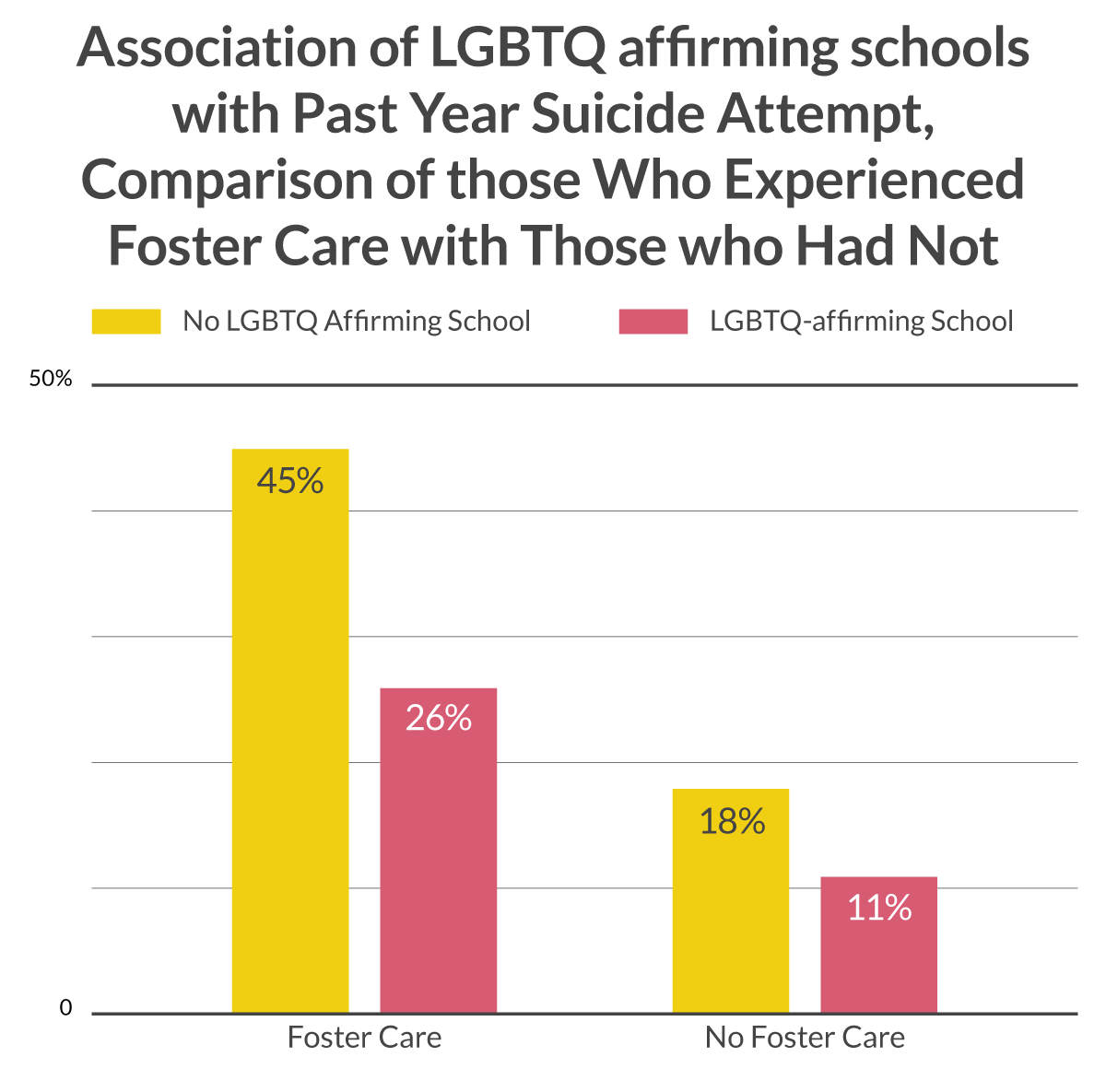
We know these changes will work because the research already shows what happens when LGBTQ+ youth are placed in affirming and supportive environments. Studies in the literature review found that youth in affirming placements had better mental health, fewer behavior issues, and stronger self-worth compared to LGBTQ+ youth in non-affirming or unstable settings. They also experienced higher permanency rates and lower risk for depression and suicidality. When staff and foster parents receive proper LGBTQ+ training, the quality of care improves and youth report feeling safer and more respected. Anti-discrimination policies also make a difference, because they reduce victimization and create clear expectations around how youth should be treated. We have anti-discrimination policies and laws in the system however, the LGBTQ+ youth are not receiving the justice of these rules.Expanding mental health services helps address trauma early, which leads to better school functioning and fewer crises. Better data tracking helps states see what’s working and what isn’t, making it easier to adjust policies in real time. Community programs also have proven benefits, giving youth supportive adults, peer connections, and a sense of belonging that carries over into adulthood. When youth are included in decision-making, policy changes are more accurate and effective because they reflect real needs instead of assumptions. And finally, systems that commit to long-term training and monitoring show more consistent improvements across the board.
Conclusion
A $100,000 investment in Rainbow Bright Futures would create real, immediate impact for LGBTQ+ youth in foster care across Norfolk and the Hampton Roads region. With this funding, the nonprofit would secure access to a small, safe building where queer youth can gather, feel supported, and connect with trusted adults. It would also allow us to hire five dedicated staff members who can lead outreach, run programs, and provide consistent support to children and families. This space would serve as a central hub for healing, identity-affirming activities, and community connection something LGBTQ+ youth in foster care rarely have access to.
This funding would also give us the resources to expand policy advocacy, produce high-quality training materials, and deliver affirming education to foster parents and child welfare workers throughout the region. By strengthening community outreach and building solid partnerships, especially with the Hampton Roads LGBTQ Life Center, Rainbow Bright Futures could reach more youth, influence agency practices, and push forward the systemic changes needed to protect LGBTQ+ youth in care. A $100,000 investment would not only launch the program it would create a foundation for long-term safety, dignity, and support for queer children who deserve a brighter future.