
Introduction
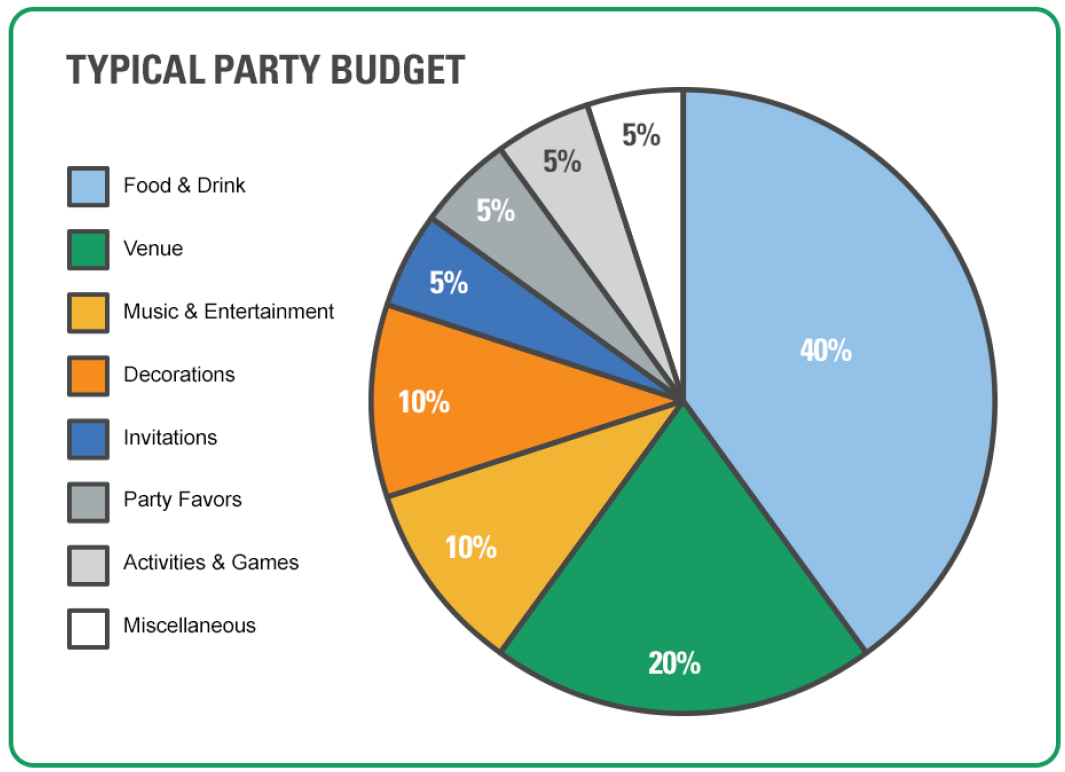
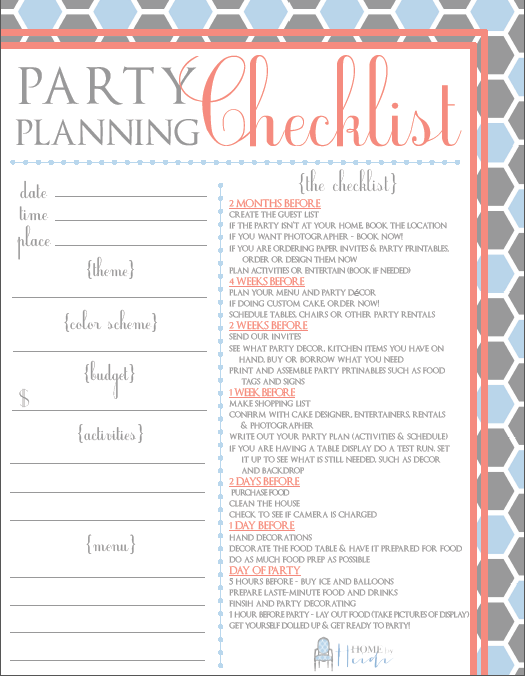
Your class is planning a party! The teacher has given your class a budget of $50,000 JMD to organize the event. You’ll need to decide how to spend the money wisely — on food, games, decorations, and entertainment — while staying within budget.
Can your team plan an enjoyable event without overspending? Let’s find out!
Task
In groups, students will:
-
Research prices for items and services needed for the event (food, drinks, games, music, prizes, etc.) using local online sources.
-
Create a budget plan showing estimated costs and totals.
-
Present the plan in a digital format (Google Slides, Excel sheet, or Canva poster).
-
Justify spending choices in a short written explanation.
Process
-
Form groups of 3–4 students.
-
Assign roles:
-
Researcher (finds prices online)
-
Accountant (records and calculates costs)
-
Designer (creates the digital presentation)
-
Presenter (explains final budget)
-
-
Research:
Use online stores, supermarkets, and party supply websites to find real prices.
(Example: Pricesmart, MegaMart, Fontana, Hi-Lo, or local catering sites.) -
Calculate:
-
Add all costs
-
Subtract from $50,000 to ensure you don’t overspend
-
Adjust if necessary
-
-
Create your presentation showing:
-
Itemized budget
-
Total expenditure
-
Savings (if any)
-
-
Present your plan to the class or submit digitally.
Evaluation
| Criteria | Excellent (4) | Good (3) | Fair (2) | Poor (1) |
|---|---|---|---|---|
| Accuracy of Calculations | All calculations correct | 1–2 minor errors | Several errors | Many errors |
| Realism of Budget | Realistic prices and logical spending | Mostly realistic | Some unrealistic items | Unrealistic plan |
| Team Collaboration | All members contributed | Most participated | Unequal participation | Little cooperation |
| Presentation | Clear, creative, well-organized | Clear but basic | Lacks creativity | Disorganized |
Conclusion
Through this WebQuest, you’ve learned how mathematics helps in real-life decision-making — balancing needs, wants, and resources. Smart budgeting requires not only calculation skills but also teamwork and critical thinking!
Credits
-
Excel or Google Sheets templates for budgeting