
Introduction
Have you ever stopped to think about how amazing nature really is? From the way birds fly to how a spider builds its web — nature is full of brilliant and efficient designs. What if we told you that engineers often look at these natural designs to solve human problems?
This is called biomimicry, and it’s a powerful way of creating technology inspired by the natural world. Mechanical engineers have used ideas from animals, insects, and plants to build better airplanes, quieter trains, and even robots that can climb walls!
In this WebQuest, you will become an engineer exploring how the natural world can help us build smarter machines and systems. You’ll investigate real examples of biomimicry in mechanical engineering and then create your own idea based on something from nature.
Are you ready to discover what nature can teach us about design?


Task
Your mission is to:
-
Research how biomimicry is used in mechanical engineering.
-
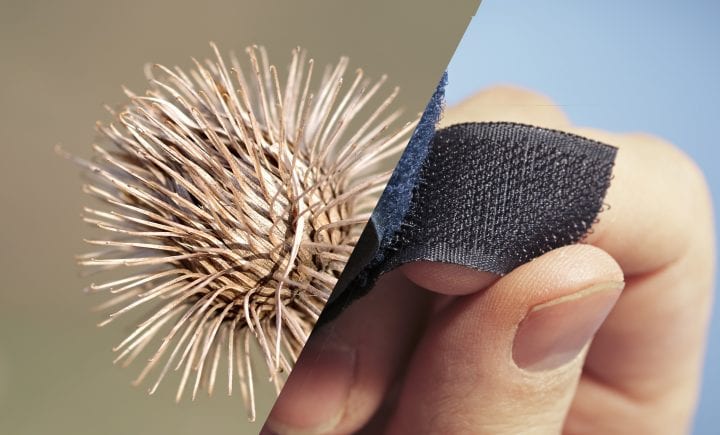
Choose one nature-inspired design (like Velcro, inspired by plant burrs).
-
Explore how the natural version works and how engineers applied it in real-life situations.
-
Create a presentation or model showing your chosen example.
-
Propose your own nature-inspired idea for a mechanical system or device.

Process
Step 1: Watch and learn:
👉 What is Biomimicry? (National Geographic)
👉 Janine Benyus: Biomimicry's surprising lessons from nature's engineers (TED Talk)
Step 2: Research more about biomimicry and some of its examples in mechanical design:
Step 3: Choose one example and explore it:
Examples include:
-
Bullet trains inspired by kingfisher beaks
-
Shark-skin swimsuits reducing drag
-
Wind turbines modeled after humpback whale fins
-
Gecko-inspired climbing robots
-
Beetle shells that collect water in deserts
Step 4: Design your presentation or model:
You must include:
-
Images or sketches of the natural model
-
Engineering design based on it
-
Short explanation of how the natural structure works
-
Your own idea for a future design
Step 5: Share your final project and explain your design to the class.
Evaluation
| Criteria | Excellent | Good | Fair | Needs Improvement |
|---|---|---|---|---|
| Research Depth | Information is thorough, accurate, and covers all aspects in detail. |
Research is solid with mostly accurate and relevant info. |
Some important details missing or minor inaccuracies present. | Research lacks depth and contains significant errors or gaps. |
| Creativity in Design | Highly original and visually appealing; uses colors, graphics, and unique elements effectively. |
Design is creative and colorful with good visual appeal. |
Basic design with limited creativity or use of visuals. | Minimal creativity; design appears rushed or plain. |
| Connection to Nature | Clear and strong links between natural examples and engineering ideas throughout the project. |
Good connection to nature with most examples well explained. |
Some connection to nature, but examples or explanations are weak or unclear. | Little or no clear connection between nature and engineering. |
| Visual Presentation | Project is neat, organized, easy to follow, with clear labels and effective use of images/videos. |
Generally well-organized and visually clear with minor issues. |
Some parts are disorganized or visuals are not used effectively. | Project is messy or hard to understand due to poor visuals and layout. |
| Team Collaboration | Teamwork is evident; all members contributed equally. |
Good collaboration with most members participating actively. |
Uneven participation; some members contributed less than others. | Poor teamwork; minimal collaboration. |
Conclusion
Fantastic work, Future Engineers! You’ve completed this WebQuest and discovered how nature’s brilliant designs inspire innovative solutions in mechanical engineering. 🌿🔧
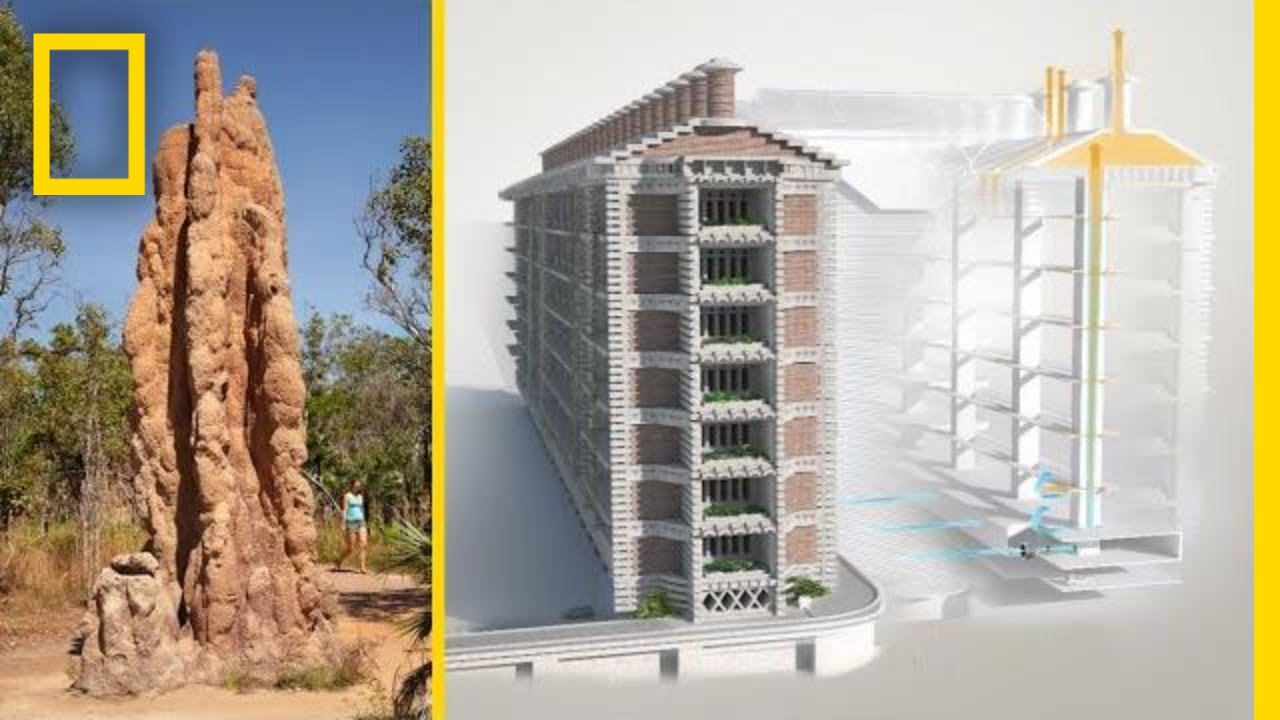
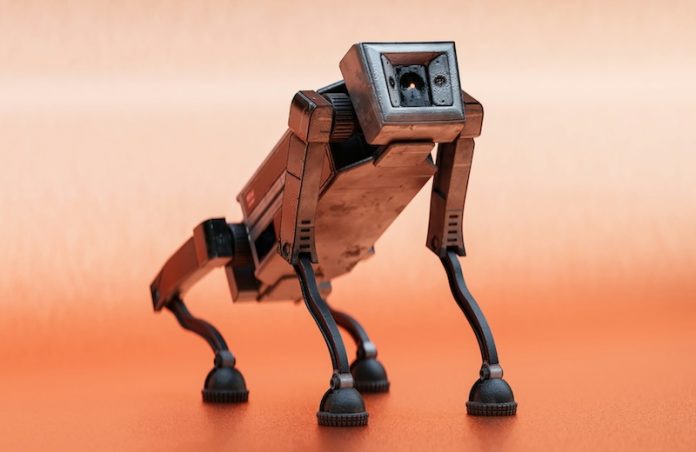
Throughout this journey, you explored incredible examples like how birds’ wings influence aircraft, how termite mounds inspire energy-efficient buildings, and how animals’ unique traits guide the creation of amazing robots. You learned not just to gather information, but to think critically and creatively—just like true engineers and designers.
Next, you will share your discoveries and projects with your classmates and friends. Show them how observing the natural world can lead to smarter, more sustainable technologies that benefit us all.
Please bring your visuals, models, and stories to class so we can create our own “Innovation Gallery,” showcasing how nature and engineering come together in exciting ways!
Credits
Article References:
-
Biomimicry Institute. (n.d.). What is biomimicry? https://biomimicry.org/what-is-biomimicry/
-
AskNature. (n.d.). Nature-inspired solutions. https://asknature.org/
-
LearnBiomimicry. (n.d.). 50 of the world's best biomimicry examples. https://www.learnbiomimicry.com/blog/best-biomimicry-examples
Video References:
-
Benyus, J. (2012, June 5). What is biomimicry? [Video]. YouTube. https://www.youtube.com/watch?v=FBUpnG1G4yQ
-
Benyus, J. (2009, February). Janine Benyus: Biomimicry's surprising lessons from nature's engineers [Video]. TED. https://www.ted.com/talks/janine_benyus_biomimicry_s_surprising_lessons_from_nature_s_engineers
Image Referenes:
- Knowridge. (2025, January 7). Robots inspired by nature: How animals are shaping the future. Knowridge Science Report. https://knowridge.com/2025/01/robots-inspired-by-nature/
- Pearce, M. (1996, January 1). Passively cooled building inspired by termite mounds. AskNature. https://asknature.org/innovation/passively-cooled-building-inspired-by-termite-mounds/
- Birdseye Birding. (2018, September 25). Biomimicry: Birds emulate nature. Birdseye Birding. http://www.birdseyebirding.com/2018/09/25/biomimicry-birds-emulate-nature/
- Biomimicry Institute. (2020, January 1). Hooked on You! AskNature. https://asknature.org/resource/hooked-on-you/
- Smiley Honey. (n.d.). What is a honeycomb? The truth about raw honeycomb. Smiley Honey. https://www.smileyhoney.com/blogs/honey-school/what-is-a-honeycomb-the-truth-about-raw-honeycomb
-
Dale, N. (2025, April 2). How I photograph birds. Nick Dale Photography. https://www.nickdalephotography.com/blog/how-i-photograph-birds