
Introduction
Earthquakes are unpredictable natural disasters that can strike at any moment, leaving behind significant damage and loss if people are unprepared. This WebQuest is designed to help middle school students understand the science behind earthquakes and develop a safety awareness campaign. Through this project, you will learn about the causes of earthquakes, the potential hazards they pose, and how to take the necessary precautions to protect yourself and others. By the end of this activity, you will be equipped with the knowledge to spread awareness and encourage your peers to be prepared for when an earthquake happens.

Task
In this WebQuest, you will work in pairs or small groups to create a PowerPoint presentation that educates others about earthquake safety and preparedness. Your task is to research and explain the following:
1. What causes earthquakes: Understand the science behind earthquakes, including how tectonic plates move, what fault lines are, and the different types of seismic waves.
2. Earthquake safety tips: Provide clear and detailed guidelines on what to do before, during, and after an earthquake. This should include how to prepare an emergency kit, secure your home, and stay safe during an earthquake.
3. Real-life examples: Research well-known earthquakes from around the world. Use these events to show the impact earthquakes can have on people, buildings, and entire communities.
4. Emergency preparedness: Explain how to create an emergency plan for your family. Include details on creating an emergency communication plan, evacuation routes, and where to find shelter during an earthquake.
5. Awareness campaign: The presentation should also focus on how students can spread awareness about earthquake safety in their school and community.
Your PowerPoint presentation should be well-organized, visually appealing, and informative. You will present it to the class, so be prepared to explain your work, answer questions, and engage your audience. Make sure to include APA citations for all the resources you use.
link of image : https://www.google.com/gasearch?q=earthquake%20how%20to%20stay%20safe&source=sh/x/gs/m2/5#vhid=wzRXlcSmLQV8AM&vssid=mosaic
Process
Here’s a detailed step-by-step guide to help you research, analyze, and develop your earthquake safety awareness campaign. You will gather information, work in groups, and create a PowerPoint presentation to teach your classmates about earthquake preparedness.
Step 1: Research
Begin by exploring the science behind earthquakes, safety precautions, and real-world examples of their impact. Focus on these key areas to gather your information:
• Causes of Earthquakes: Learn about tectonic plates, fault lines, and how seismic waves cause the ground to shake.
• Earthquake Safety Tips: Research what to do before, during, and after an earthquake to protect yourself and others.
• Emergency Preparedness: Understand how to prepare an emergency kit, develop a family safety plan, and identify evacuation routes.
• Real-Life Examples: Investigate case studies of major earthquakes, including their effects on communities and how people responded.
Helpful Resources:
• Understanding Earthquakes and Tectonic Plate Movements – US Geological Survey (USGS):
https://www.usgs.gov/natural-hazards/earthquake-hazards/science/understanding-plate-tectonics
• How to Stay Safe During an Earthquake – Ready.gov:
https://www.ready.gov/earthquakes
• Real-life Earthquake Case Studies – National Geographic:
https://www.nationalgeographic.com/environment/natural-disasters/earthquakes/
Step 2: Analyze Earthquake Hazards and Safety Precautions
After gathering information, compare and analyze how different regions handle earthquake preparedness and how safety measures have evolved over time.
• Preparedness Strategies: Compare earthquake response strategies in different countries (e.g., Japan vs. the United States).
• Community Awareness: Analyze how awareness campaigns about earthquake safety help reduce damage and save lives.
• Building Codes: Investigate how building designs in earthquake-prone areas differ from those in regions less affected by earthquakes.
Helpful Resources:
• Earthquake Preparedness: How Countries Stay Ready – Earthquake Country Alliance:
https://www.earthquakecountry.org/
• Building Safer Cities in Earthquake Zones – Seismic Safety:
https://www.seismicsafety.com/
Step 3: Misinformation About Earthquake Safety
Research how misinformation or lack of awareness about earthquakes can lead to confusion or unsafe practices. Analyze case studies where communities were unprepared due to false beliefs or inadequate information.
• False Safety Tips: Look into myths about earthquake safety (e.g., “standing in a doorway is safest”) and why these myths persist.
• Emergency Preparedness Myths: Investigate how misinformation can prevent people from preparing effectively for natural disasters.
Articles & Resources:
• Common Earthquake Myths Debunked – Earthquake Country Alliance:
https://www.earthquakecountry.org/myths/
• Disaster Preparedness Myths and Facts – American Red Cross:
https://www.redcross.org/get-help/how-to-prepare-for-emergencies/common-preparedness-myths.html
Step 4: Group Discussion and Brainstorming
Get into small groups and discuss your findings. Share information from your research and compare how different countries and communities handle earthquakes. Consider these discussion points:
• What safety measures are most effective for earthquake preparedness?
• What are the common misconceptions people have about earthquakes, and how can they be corrected?
• How can communities better prepare for earthquakes?
Write down key points from your discussion and brainstorm how you will present this information.
Step 5: Create the PowerPoint Presentation
Using the research you’ve gathered and your group discussions, develop a PowerPoint presentation that includes:
1. What causes earthquakes: A scientific explanation of tectonic plates, seismic waves, and fault lines.
2. Safety Tips: Detailed steps on what to do before, during, and after an earthquake.
3. Real-Life Examples: Case studies of significant earthquakes and their effects.
4. Emergency Preparedness: How to prepare an emergency kit and create a family plan.
5. Awareness Campaign: Ideas on how to spread earthquake preparedness knowledge in your school and community.
Presentation Tools:
• PowerPoint: https://www.office.com/launch/powerpoint
• Google Slides: https://docs.google.com/presentation
• Canva: https://www.canva.com/
Step 6: Present and Reflect
Present your PowerPoint to the class, explaining your research and findings on earthquake safety. Be prepared to answer questions and engage with your classmates. Afterward, reflect on what you learned from the project and how it has changed your understanding of earthquake preparedness.
By completing this campaign, you will have developed valuable skills in research, collaboration, and presentation, while also learning how to stay safe during an earthquake.
Evaluation
| Criteria | Excellent (10-9 pts) | Good (8-7 pts) | Fair (6-5 pts) | Needs improvement (4-0 pts) | Points |
|---|---|---|---|---|---|
| Research quality | Thorough and diverse | Good but lacks depth | Basic and limited | Minimal and unreliable | /10 |
| Content understanding | Deep and insightful | Solid with some analysis | Basic understanding | Lacks understanding | /10 |
| Presentation quality | Engaging and clear | Well organized | Basic with minimal visuals | Unclear and disorganized | /10 |
| Collaboration | Equal contribution | Some imbalance | Uneven effort | Little to no collaboration | /10 |
| Reflection | Thoughtful and active | Good participation | Limited participation | No reflection or participation | /10 |
This breakdown allows each section to be graded out of 10 points contributing to a 50 points for the project .
Conclusion
Earthquakes are a powerful natural force that can have devastating effects on communities. Through this WebQuest, you have explored the science behind earthquakes, safety measures to take, and how communities can better prepare for these events. With the knowledge you have gained, you should now understand the importance of preparedness, how to stay safe during an earthquake, and how to spread awareness to others. By applying this understanding, you can help protect yourself, your family, and your community from the dangers of earthquakes.
Link of 3 images :
Credits
References
U.S. Geological Survey. (2021, August 25). Earthquake hazards. U.S. Geological Survey. https://www.usgs.gov/natural-hazards/earthquake-hazards
Ready.gov. (2022, January 10). Earthquake safety tips. Ready.gov. https://www.ready.gov/earthquakes
Federal Emergency Management Agency. (2020, July 15). Earthquake preparedness guide. Federal Emergency Management Agency. https://www.fema.gov/emergency-managers/risk-management/earthquake
National Geographic. (2023, May 12). What causes earthquakes? National Geographic. https://www.nationalgeographic.com/environment/article/earthquakes
American Red Cross. (2021, November 20). Earthquake safety. American Red Cross. https://www.redcross.org/get-help/how-to-prepare-for-emergencies/types-…
Videos
U.S. Geological Survey. (2021, March 19). How do earthquakes happen? [Video]. YouTube. https://youtu.be/dJpIU1rSOFY
Federal Emergency Management Agency. (2020, February 25). Earthquake preparedness: Safety tips and drills [Video]. YouTube. https://youtu.be/R5LFEoQQduI
National Geographic. (2023, April 5). The science of earthquakes [Video]. YouTube. https://youtu.be/WC4pW0fsMp4
Presentation Tools
Google. (n.d.). Google Slides [Presentation software]. https://www.google.com/slides/about/
Canva. (n.d.). Canva [Design tool]. https://www.canva.com
Powtoon. (n.d.). Video maker | Make videos and animations online. https://www.powtoon.com/
Images:
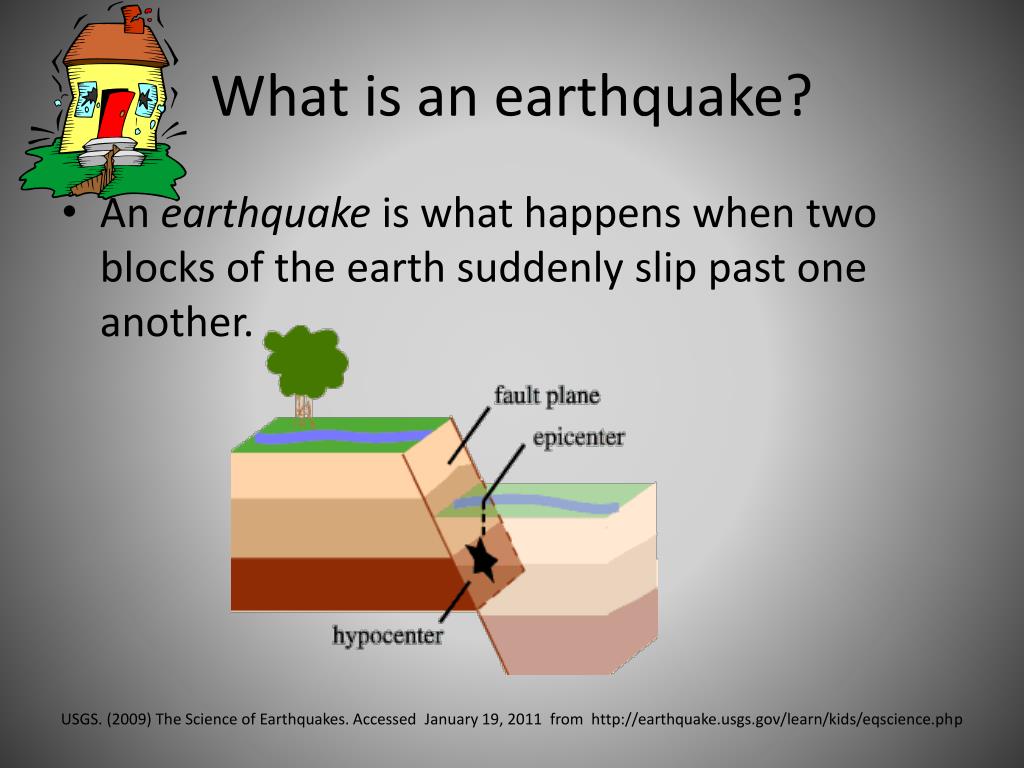
• Slideserve. (n.d.). What is an earthquake? [Image]. https://image3.slideserve.com/6423297/what-is-an-earthquake-l.jpg
• Google. (n.d.). Earthquake: How to stay safe [Image]. https://www.google.com/gasearch?q=earthquake%20how%20to%20stay%20safe&s…
• Google. (n.d.). Earthquake info [Image]. https://www.google.com/gasearch?q=earthquake%20info%20images%20&source=…
• Google. (n.d.). Earthquake magnitude info [Image]. https://www.google.com/gasearch?q=earthquake%20magnitude%20infos%20imag…
• Google. (n.d.). Earthquake magnitude [Image]. https://www.google.com/gasearch?q=earthquake%20magnitude%20infos%20imag…
Teacher Page
Hello, my name is Dana Khayat, and I am thrilled to lead students through this WebQuest focused on earthquakes. I have a deep passion for science education and believe in the importance of equipping students with the knowledge and skills necessary to navigate natural disasters safely and effectively.
With a background in environmental science, I am particularly interested in the impact of natural events on communities and the measures we can take to prepare for them. This WebQuest aims to engage students in understanding earthquakes—what they are, how they occur, and the essential safety precautions that everyone should know. By learning about earthquakes, students will become more aware of the risks associated with living in earthquake-prone areas and the importance of preparedness.
I am dedicated to fostering a classroom environment that encourages inquiry, critical thinking, and collaboration. I believe that hands-on projects like this WebQuest will spark curiosity and motivate students to explore the topic in depth. I look forward to guiding students through this learning experience, where they can develop not only their knowledge of earthquakes but also essential research and presentation skills.
Objective:
The primary goal of this WebQuest is to help students comprehend the science behind earthquakes and the importance of safety measures. Additionally, students will develop valuable skills in research, teamwork, and effective communication as they create a presentation on this critical topic.
Instructions for Teachers:
• Duration: Allocate 2-3 class sessions for students to research and create their presentations.
• Group Size: Students should work in groups of 3-4 to encourage collaboration and idea sharing.
• Materials Needed: Ensure students have internet access, as well as access to presentation tools such as Google Slides or PowerPoint.
• Assessment: Use the provided rubric to evaluate students on their research quality, presentation skills, teamwork, and reflective thinking.
Learning Outcomes:
• Students will gain a clear understanding of the causes and effects of earthquakes.
• Students will identify and analyze safety precautions to take before, during, and after an earthquake.
• Students will collaboratively create an informative presentation, enhancing their communication and presentation skills.
• Students will develop critical thinking skills as they evaluate various sources of information related to earthquakes.
I am excited to embark on this educational journey with the students, helping them become informed and prepared citizens in the face of natural disasters!