
Introduction
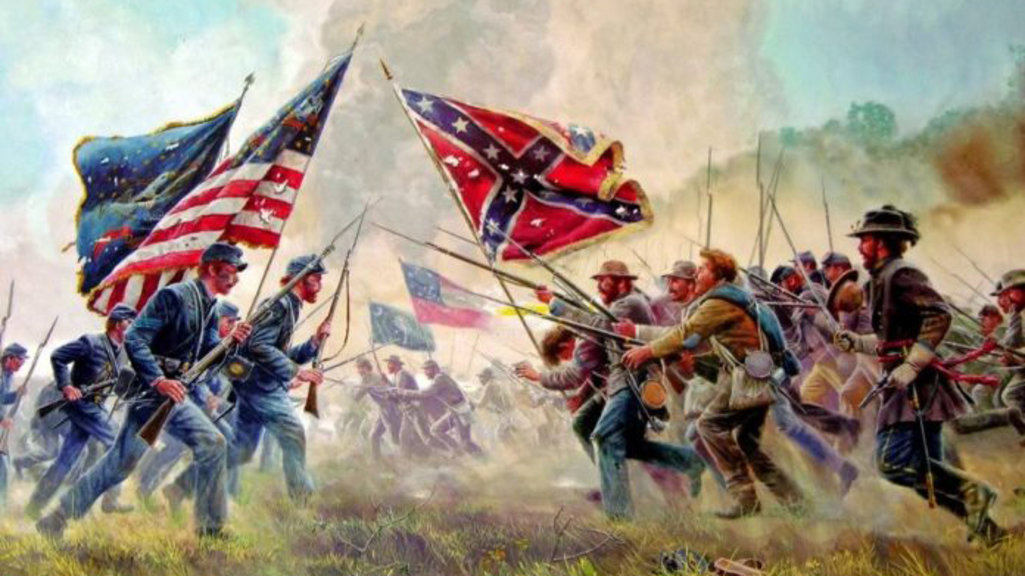
The Civil War was a pivotal moment in American history, characterized by intense conflict between the Union and the Confederacy. In this webquest, you will work collaboratively to explore the key events, battles, and figures from the war. The class will be divided into two groups: one representing the Union and the other the Confederacy. Together, you will create a comprehensive timeline of the Civil War, highlighting each side's perspectives and significant moments in the conflict.
This video will provide a little context into the events leading up to the Civil War, as well as touch on some of the major battles and turning points in the war, and eventually what led to the end of the war.
Task
Group Formation: The class will be divided into two groups:
- UNION GROUP: Responsible for researching key events, battles, and figures related to the Union's perspective. This group will focus on the goals and motivations of the Union, strategies used during the war, and how the outcomes impacted the nation.
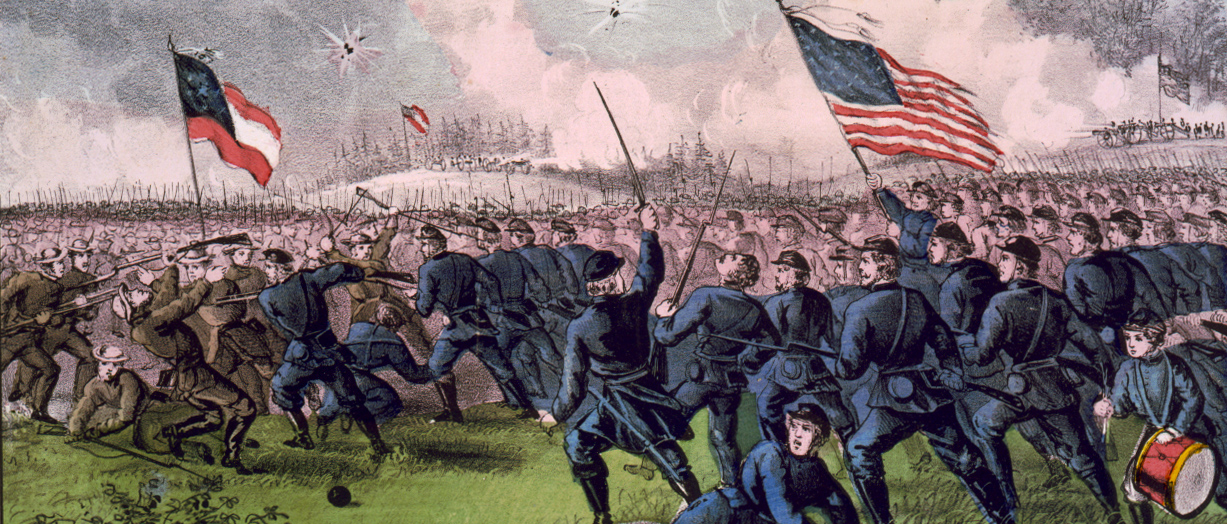
- CONFEDERATE GROUP: Responsible for researching key events, battles, and figures from the Confederate perspective. This group will emphasize the reasons behind the Confederacy's fight, the challenges they faced, and their view of significant battles and decisions.

Research: Each group will research their assigned topics and gather information to create a detailed timeline. Each group should focus on the following aspects:
-
- Major Battles: Identify and summarize significant battles, such as the Battle of Gettysburg, the Battle of Antietam, and others. Include details on:
- The date and location of the battle.
- The key leaders involved and their strategies.
- The outcomes of the battles and their significance in the war's progression.
- Key Figures: Explore the roles of influential individuals, such as:
- Union: Abraham Lincoln, Ulysses S. Grant, William Tecumseh Sherman, Clara Barton.
- Confederate: Jefferson Davis, Robert E. Lee, Stonewall Jackson, J.E.B. Stuart.
- Analyze their contributions to the war effort, their leadership styles, and how their decisions influenced the war's outcome.
- Causes and Consequences: Investigate the social, economic, and political factors leading to the war. Each group should explore:
- Union Perspective: Focus on the moral and political reasons for fighting, such as the preservation of the Union and the abolition of slavery.
- Confederate Perspective: Examine the arguments for states' rights, the defense of their way of life, and the economic factors that motivated their secession.
- Discuss the immediate and long-term consequences of the war for both the Union and the Confederacy, including social changes, the Reconstruction era, and how these events continue to shape American society today.
- Major Battles: Identify and summarize significant battles, such as the Battle of Gettysburg, the Battle of Antietam, and others. Include details on:
Creating the Timeline:
- Each group will create a visual timeline that includes:
- Events: Dates and descriptions of key events and battles, ensuring that both perspectives are represented.
- Visuals: Illustrations or images of important figures and milestones to enhance understanding and engagement.
- Significance: A brief summary of each event's significance from each group's perspective, highlighting how each event influenced the war and its aftermath.
TIMELINE EXAMPLE: 
-
Presentation: After creating the timelines, each group will present their findings to the class. The presentations should include:
- An overview of the group’s research.
- Key insights from their perspective on the Civil War.
- Opportunities for questions and discussions with the opposing group.
-
Integrating the Timelines: Once both groups have created their timelines, they will collaborate to ensure that their timelines are aligned chronologically. This will help visualize how events from both perspectives interconnect, providing a comprehensive overview of the Civil War.
-
Presentation: After creating the timelines, each group will present their findings to the class. The presentations should include:
- An overview of the group’s research and findings.
- Key insights from their perspective on the Civil War and how their events influenced the other side.
- Opportunities for questions and discussions with the opposing group to foster critical thinking and deeper understanding.
Process
-
Group Formation:
- First, I will divide you into two groups: the Union Group and the Confederate Group. Each group will have a mix of students to ensure everyone can participate. Once you’re in your groups, choose a leader to help coordinate your tasks.
-
Initial Brainstorming:
- In your groups, take a few minutes to brainstorm what you already know about the Civil War. Discuss key events and important people you remember. This will help you identify what you’d like to research further.
-
Research Guidelines:
- I will provide you with specific guidelines and questions to help you focus your research. Make sure to look for information about major battles, influential figures, and the causes of the war. Each group will get a list of suggested topics to cover.
-
Designate Roles:
- To make sure everyone contributes equally, you will assign roles within your group. Here are some roles you might consider:
- Lead Researcher: This person will oversee the research process and make sure everyone finds accurate information.
- Writer/Editor: This person will compile the information and write the descriptions for your timeline.
- Visual Designer: This person will create visuals and graphics for the timeline.
- Presenter: This person will focus on preparing and delivering your group’s presentation.
- To make sure everyone contributes equally, you will assign roles within your group. Here are some roles you might consider:
-
Research Phase:
- Now it’s time to dive into your research! Use the resources I’ve provided, including websites and library materials, to gather information. Each member should take notes and share their findings during your group discussions. Remember, we will have check-in points along the way, so be prepared to discuss your progress.
-
Creating the Timeline:
- After gathering your research, it’s time to start creating your section of the timeline! You can use large poster boards or digital tools like Google Slides or Canva. Make sure to include:
- Events: Write the dates, descriptions, and significance of each event from your assigned perspective.
- Visuals: Add relevant images, maps, and illustrations to make your timeline engaging.
- Connection Points: Leave space for how your events will connect with the opposing group’s timeline.
- After gathering your research, it’s time to start creating your section of the timeline! You can use large poster boards or digital tools like Google Slides or Canva. Make sure to include:
-
Integrating Timelines:
- Once both groups have completed their timelines, you will come together to integrate your timelines into one cohesive timeline. Discuss how the events from your side influenced the other side, and create visual connections, like arrows or color codes, to show these relationships.
-
Presentation Preparation:
- Now, you will prepare to present your completed timeline to the class. Work together to create a script that highlights your research findings, key insights, and the importance of your events. Practice your presentation within your group to make sure everyone knows their part.
-
Class Presentations:
- Each group will present their timeline to the class. Be prepared to explain your findings and how your perspective contributes to understanding the Civil War. After each presentation, there will be time for questions from your classmates, so be ready to engage in discussion!
-
Reflection and Feedback:
- Finally, after all the presentations, you will complete a reflection exercise. Write about what you learned from both perspectives of the Civil War and what you found most surprising. We will then have a class discussion to share insights and feedback on the project experience.
Evaluation
Evaluation Rubric for Civil War WebQuest
Group Assessment (70 Points Total)
-
Content Knowledge (30 Points)
- Exemplary (30 points): The timeline contains comprehensive and accurate information about key events, figures, and perspectives from both the Union and Confederate sides.
- Proficient (24-29 points): The timeline includes most key information, with minor inaccuracies or omissions.
- Basic (18-23 points): The timeline presents some relevant information but lacks depth and contains several inaccuracies.
- Needs Improvement (0-17 points): The timeline is incomplete and/or contains significant inaccuracies, lacking essential information.
-
Creativity and Visual Appeal (20 Points)
- Exemplary (20 points): The timeline is highly engaging, utilizing creative visuals, illustrations, and thoughtful design elements.
- Proficient (16-19 points): The timeline is visually appealing and uses some creative elements effectively.
- Basic (12-15 points): The timeline includes limited visuals or creativity, lacking engagement.
- Needs Improvement (0-11 points): The timeline is visually unappealing and lacks any creative elements.
-
Teamwork and Collaboration (20 Points)
- Exemplary (20 points): All group members contributed equally and effectively collaborated throughout the project.
- Proficient (16-19 points): Most members contributed, but some uneven participation is noticeable.
- Basic (12-15 points): Uneven contributions among group members are evident; some members did not engage.
- Needs Improvement (0-11 points): Minimal collaboration; one or two members did all the work.
Individual Assessment (30 Points Total)
-
Individual Contribution to Research and Timeline Creation (15 Points)
- Exemplary (15 points): The student made significant contributions to research and the timeline, demonstrating thorough understanding and initiative.
- Proficient (12-14 points): The student contributed effectively to research and timeline creation but may have relied on others for some tasks.
- Basic (8-11 points): The student made minimal contributions, lacking initiative or understanding of key elements.
- Needs Improvement (0-7 points): The student did not contribute to research or timeline creation.
-
Presentation Skills (15 Points)
- Exemplary (15 points): The student presents clearly and confidently, engages the audience, and answers questions effectively.
- Proficient (12-14 points): The student presents well and can answer questions but may lack some confidence or engagement.
- Basic (8-11 points): The student struggles with clarity and confidence during the presentation and has difficulty answering questions.
- Needs Improvement (0-7 points): The student does not present effectively and is unable to answer questions.
Total Points Calculation
- Group Assessment Total: 70 Points
- Individual Assessment Total: 30 Points
- Overall Total Points Possible: 100 Points
Grade Scale
- A (90-100): Excellent understanding and execution in both group and individual contributions.
- B (80-89): Good understanding with some areas for improvement in either group or individual performance.
- C (70-79): Fair understanding; significant areas for improvement needed in either group or individual performance.
- D (60-69): Needs improvement; lacking in multiple areas for either group or individual performance.
- F (below 60): Unsatisfactory performance; minimal understanding demonstrated by both group and individual work.
Conclusion
As you conclude your project, take a moment to reflect on the complexity of the Civil War and the differing perspectives that shaped this critical period in American history. Consider how the events and decisions made during the war affected individuals and communities on both sides.
Reflect on the following questions:
- What were the main motivations for each side in the conflict? Analyze how the Union and Confederacy had different goals and ideologies.
- How did key battles and figures influence the outcome of the war? Discuss the significance of decisions made by leaders on both sides and how they contributed to the war’s progression.
- What were the long-term consequences of the Civil War for both the Union and the Confederacy? Consider the impact of the war on future generations and how it continues to influence American society today.