
Introduction

Welcome to the Advanced English Literature webcast, where we invite you to embark on a captivating journey through the vast and diverse landscape of English literature. From the medieval epics of Chaucer to the modernist experiments of Woolf, this course offers a panoramic view of literary masterpieces spanning centuries and continents. Whether you're an avid reader, a budding scholar, or someone simply intrigued by the power of words, this immersive experience promises to expand your horizons and deepen your appreciation for the art of storytelling.
In this course, we will explore not only the literary works themselves but also the profound ideas, themes, and interpretations that lie beneath the surface. Through close reading, critical analysis, and spirited discussions, we will unravel the complexities of human experience as expressed through literature. From love and loss to identity and belonging, from power and politics to morality and justice, English literature has served as a mirror reflecting the myriad facets of the human condition.
But our exploration goes beyond mere textual analysis. We will contextualize each work within its historical, cultural, and socio-political milieu, tracing the evolution of literary movements and exploring the ways in which literature both shapes and is shaped by the world around it. Through interdisciplinary lenses, we will examine the intersections between literature and philosophy, history, psychology, and more, illuminating the profound connections that exist between art and life.
At the heart of this course lies the belief that literature is not just a solitary pursuit but a communal endeavor—an ongoing dialogue between writers and readers, past and present, across borders and generations. As we engage with these timeless texts, we invite you to bring your own perspectives, questions, and insights to the table, enriching our collective understanding and appreciation of literature's enduring legacy.
So, whether you're seeking to deepen your literary knowledge, refine your analytical skills, or simply indulge your passion for great literature, we invite you to join us on this exhilarating journey through the pages of English literary history. Together, let's unlock the mysteries of the written word and discover the transformative power of storytelling. Welcome to Advanced English Literature—where every page is an adventure waiting to be explored.
Task
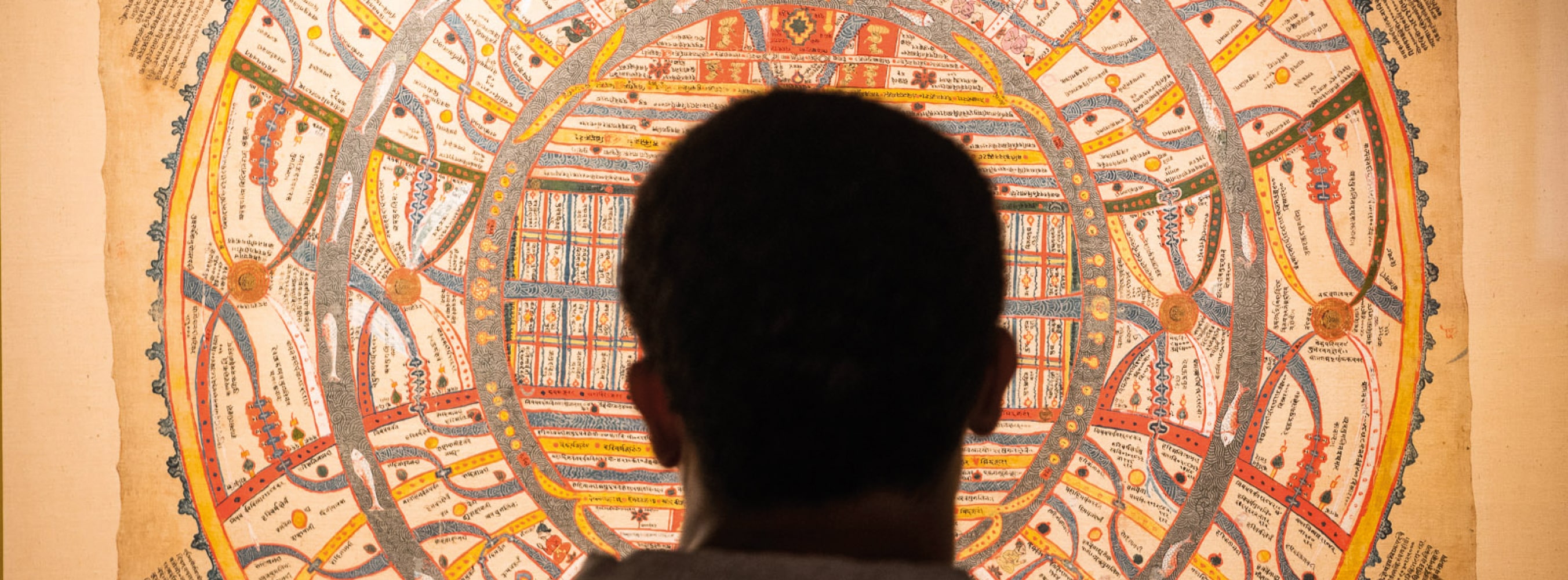
Your task in this course is to engage critically with a selection of literary texts, exploring themes, characters, symbols, and cultural contexts. Through close reading, analysis, and discussion, you will develop a nuanced understanding of the complexities of literature and sharpen your analytical skills.
Process

- Selecting Texts: Begin by selecting a range of literary texts from different periods, genres, and cultural backgrounds. Choose texts that resonate with you personally or that you find intellectually stimulating .
- Annotating and Close Reading: Dive into the texts through close reading and annotation. Pay attention to language, imagery, structure, and narrative techniques, and consider how these elements contribute to the overall meaning and themes of the text.
- Identifying Themes and Motifs: Analyze the recurring themes, motifs, and symbols present in the texts. Explore how these elements interact with each other and contribute to the deeper meaning and interpretation of the work.
- Contextualizing Literature: Situate the texts within their historical, cultural, and socio-political contexts. Investigate how the cultural milieu of the time period influenced the creation and reception of the texts.
- Comparative Analysis: Engage in comparative analysis by examining similarities and differences between different texts. Explore how themes, motifs, and narrative techniques manifest across different works and genres.
- Formulating Interpretations: Develop your own interpretations and critical perspectives on the texts. Support your arguments with evidence from the text, scholarly sources, and critical theory.
Evaluation
Your progress in this course will be evaluated based on the following criteria:
|
Criteria |
Description |
Points |
|
Participation |
Active participation in discussions and activities |
5 |
|
Analytical Skills |
Ability to analyze and interpret literary texts critically |
10 |
|
Research and Writing |
Quality of written assignments and research papers |
10 |
Conclusion
Congratulations on completing the captivating journey through Advanced English Literature! Throughout this course, you've explored a diverse array of literary masterpieces, delving deep into the human experience through the lens of storytelling. From timeless classics to groundbreaking modern works, you've encountered a wealth of ideas and perspectives that have broadened your literary horizons.
As we bring this journey to a close, take a moment to reflect on the insights you've gained and the connections you've made. Through careful reading, thoughtful analysis, and engaging discussions, you've not only deepened your understanding of literature but also sharpened your critical thinking skills. You've learned to appreciate the nuances of language, the power of symbolism, and the complexities of narrative structure.
But our exploration doesn't end here. Literature is a vast and ever-evolving landscape, offering endless opportunities for discovery and growth. As you move forward, carry with you the lessons learned from this course and let them inspire your continued exploration of the written word. Whether you're writing your own stories, discussing literature with friends, or simply enjoying a good book, let your passion for literature continue to enrich your life.
I want to thank you for your participation and enthusiasm throughout this course. It has been a pleasure to accompany you on this literary journey, and we hope the knowledge and insights gained will stay with you long after the course has ended. Remember, the world of literature is vast and boundless, waiting for you to continue your exploration. Keep reading, keep learning, and keep celebrating the transformative power of literature. Farewell, and may your love for literature continue to flourish in the days ahead.
Credits
- Images:
- Videos: