
Introduction
Class: Infant 1
Duration: 30- 45 minute session
Theme: Health and wellbeing
Topic: Cultural Paper Bag Puppets
Objectives: At the end of this lesson students will be able to:
- Identify the different cultural backgrounds.
- Create a puppet.
- Orally communicate through his/her puppet how they clean the environment in their culture.
- Know some of the products used to clean.
- Explain what equipment each culture uses.
Different types of cultures
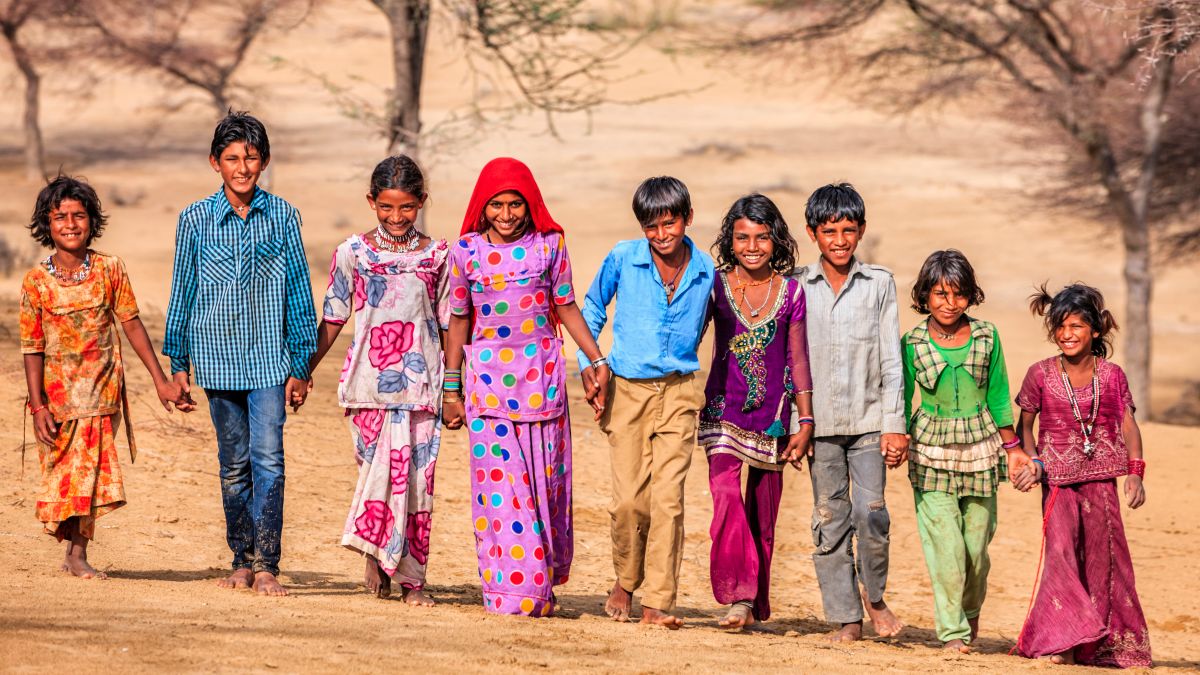
Indian culture- is one of the oldest and richest in the world.
Islam culture- is one of the world’s major religions. Its founder was Muhammad.
African culture- is a product of many people, from a wide range of languages, cuisines, greetings, and dances.
African Culture

Indian Culture
Islam Culture

The Importance of keeping your environment clean
It is important to keep your environment clean no matter your cultural because a clean environment keeps us healthy.
it protects us from getting sick.
it keeps our environment itself healthy.
Task
Activity one
Create paper puppets using brown paper bags.
Give their puppets a name.
Stick your clothing onto your puppets.
Activity two
Orally communicate through his/her puppet how they clean the environment in their culture.
Record electronically one reason why a clean scene is necessary using a class tablets camera.
Process
First Activity
Class discussion
1. The teacher presents a brief puppet show sharing ideas about how a clean environment can be achieved by speaking through puppets.
2. Each pupil selects one bag from a collection of several colours of paper bags.
3. Each pupil selects crayons, coloured pencils, paints or chalk to colour the puppet’s face or varying others for facial features.
4. Discusses designs that fit different cultures.
5. The student designs a facial expression on his/her puppet and then adds hair to it.
Second Activity
1. Students use puppets to state orally, taking turns, one way in which a clean scene can be kept.
2. Students videotape themselves stating how they can keep a clean scene in the various cultures.
Resources
For this activity, you will need: Coloured paper bags, paint, crayons, coloured chalk, markers, facial features items (eyes, nose, ect,) colored pencils, scissors, ruler, and glue.
Evaluation
This is what the teacher would be looking at to evaluate the children
The teacher would observe the children on how they are using their fine motor skills to stick on the puppet's clothing.
The teacher observes how the child is collaborating with the other students.
Ask the children questions such as:
1. Who can tell me what was the topic we learned today?
2. How in each culture keep its environment clean?
3. Why is it important that we keep our environment clean
4. What type of equipment does each of the three cultures uses to clean?
5. Who can tell me by using your puppets how do you keep the environment in their culture clean?
Conclusion
The End

Above is a song on cleaning up the environment.
Credits
References
Teacher Page
The aim of the lesson was to teach students about "The importance of keeping a clean environment" and "how the different culture (their equipment's and products)?"