
Introduction
ROMEL DIVINAGRAC IA JR. (FOR PROJECT )
OBJECTIVES:
At the end of this quest the students will be able to:
a. Determine the different tolls and materials used in knitting.
b. Create a knitted product.
c. Appreciate the value of knitting.
TEACHING POINTS
Blankets, scarves, sweaters, gloves, stuffed animals—there’s virtually no limit to what you can make with some yarn and a pair of needles. When it comes to knitting, once you’ve got the basics down, the only limit is your imagination (and maybe the occasional hand cramp). So we’re here to show you just that! We’ll guide you through casting on, knitting a row, and casting off, plus a few other handy stitches to get you started on your knitting journey.
TEACHNING INPUTS
Knitting is the process of making a textile by connecting loops or stitches of one continuous thread using large needles. A textile is a fabric made by interlacing threads made of natural or synthetic fibers
Knitting is as Simple as 1, 2, 3
Knitting boils down to three essential skills. These are the cast on, knit stitch, and the cast off. These three techniques make up the backbone of knitting. Master them and you’re officially a knitter. It’s that simple!
1.CAST ON
The adventure begins! Transform loose yarn into neat stitches.
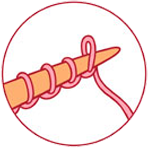
2.KNIT STITCH
This simple stitch makes up the backbone of knitting.

3.CAST OFF
Get your knitting off the needles so you can wear it out and proud!

Tools and materials needed
1. Yarn
2. Knitting needle
3. Scissors
4. Stitching marker
BASIC STEPS TO START IN KNITTING
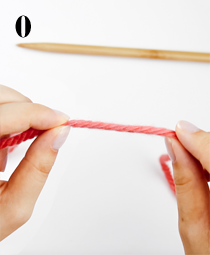
Leave a generous yarn tail & pinch yarn with both hands
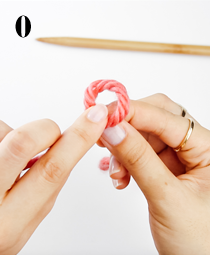
Hold the yarn and bring the hands together to make a loop
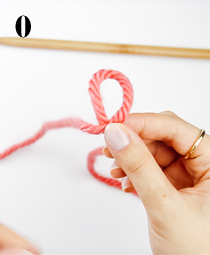
Hold the loop that you have made in one hand
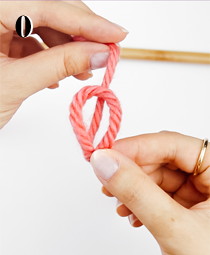
Grab the yarn that’s unattached to the ball & bring it behind the loop
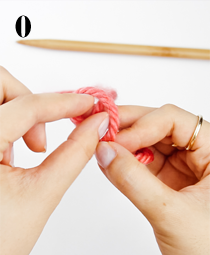
Pull the strand of yarn through the loop
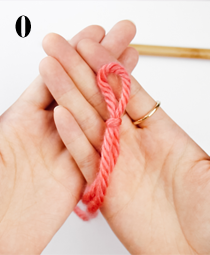
This little loop is called a slipknot. Your’re ready to cast on with it!
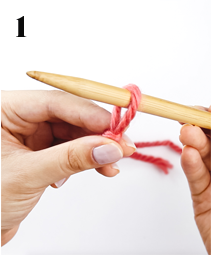
Place a slipknot on the needle and pull yarn tails to tighten
Grab the short yarn tail and give a thumbs up
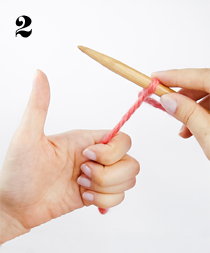
Swing the thumb behind the yarn
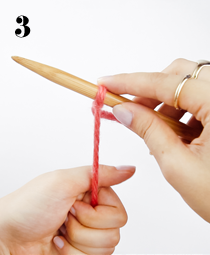
Hook the yarn onto your thumb. Keep a firm grip!
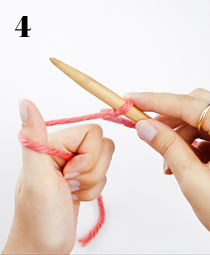
Touch the needle to the front of the thumb…
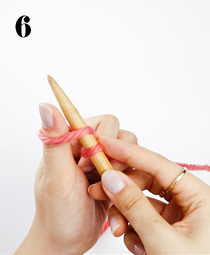
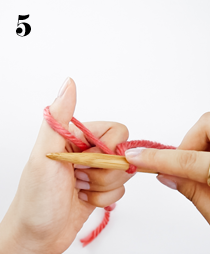
…and slide the needle into the loop on your thumb
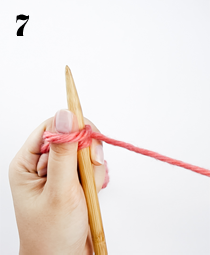
Hold the needle & grab the yarn attached to the ball with right hand
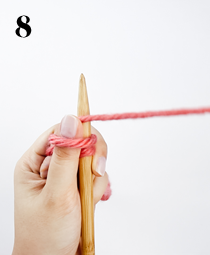
Wrap the yarn around the needle, from the back to the front
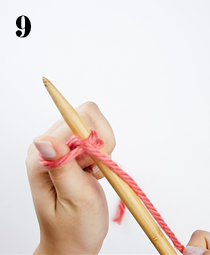
Pull down the yarn so it meets the loop on the thumb
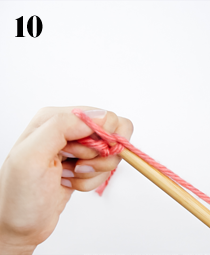
Pull the loop on your thumb over the needle.
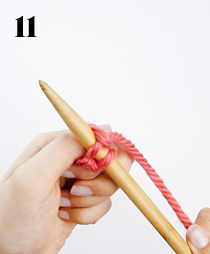
Place the loop on the needle
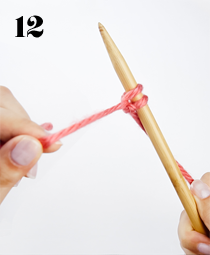
Pull down the yarn tail to tighten the new stitch! Repeat steps 2-12
CONTENT SOURCE: https://sheepandstitch.com/how-to-knit/
VIDEO SOURCE: https://youtu.be/Egp4NRhlMDg
Task
ACTIVITY 1
READ AND ANSWER THE FOLLOWING QUESTIONS
1. WHAT IS KNITTING?
2. WHAT ARE THE MATERIALS NEEDED IN KNITTING?
3. WHAT ARE THE THREE BASIC STAPS IN KNITTING.
PERFORM BASIC STEPS IN KNITTING AND PASTE A PICTURE OF YOUR WORK.
FOR REFERENCE: https://youtu.be/Egp4NRhlMDg
Process
CLICK THE LINK, READ AND ANSWER THE ACTIVITIES.
Evaluation
| CRITERIA | PERCENTAGE |
| CREATIVITY | 50% |
| NEATNESS | 20% |
| STRUCTURE | 30% |
CREATE A KNITTED PRODUCT BY FOLLOWING THIS CRITERIA
Conclusion
Knitting is a popular fiber technique that involves creating interconnected loops of yarn to produce a stretchy and flexible fabric. It is a beloved hobby that allows people to create a wide range of items such as clothing, accessories, and home decor.The history of knitting dates back to the 5th century and is believed to have originated in the Middle East. Over time, knitting techniques and styles have evolved, resulting in various types of knitwear. Knitting can be done by hand or with the help of a sewing machine. With a few simple techniques and tools, beginners can create beautiful scarves, blankets, socks, and more
Credits
| CRITERIA | PERCENTAGE |
| PERFORMANCE | 50% |
| TASK ARE COMPLETED | 20% |
| PARTICIPATION | 30% |