
Introduction
Author and cartoonist Theodor Seuss Geisel, well known by his pen name Dr. Seuss, wrote and published more than 60 books. In 1937, he went by the pen name Dr. Seuss and released his first children's book, And to Think That I Saw It on Mulberry Street.
The Cat in the Hat and Green Eggs and Ham were among the following bestsellers. Generations of fans have admired his rhymes and characters.
Dr. Seuss was known for his zany characters, and silly rhymes. In the webquest for today, we will learn more about the man behind some of the most beloved children poetry books. 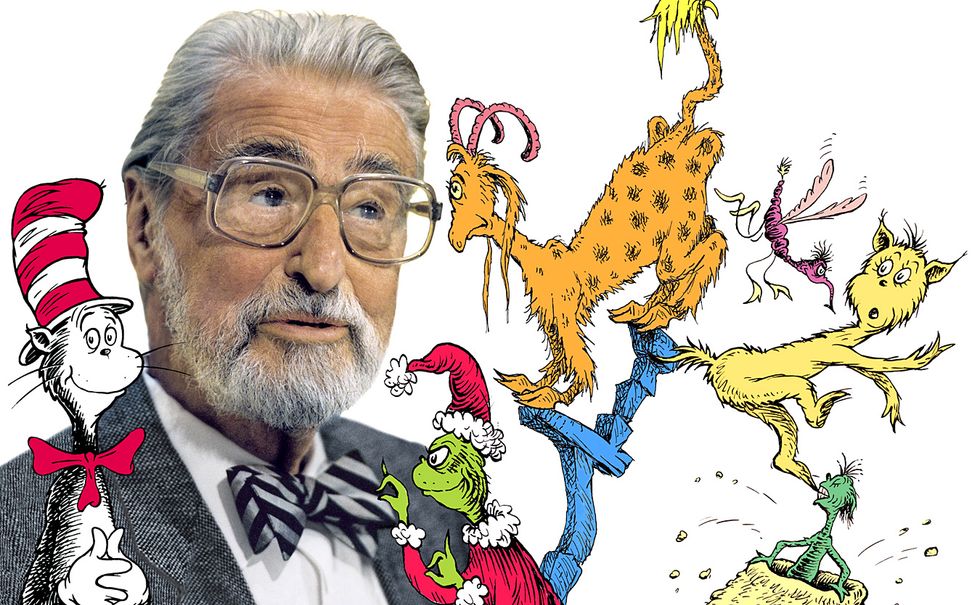
Task
1. Have you ever read a Dr. Seuss book? What was your favorite one? https://www.seussville.com/#/characters
2. Name two characters from that book, and then find a picture of them. https://www.seussville.com/characters/
3. When was cat in the hat published? https://www.npr.org/2007/03/01/7651308/fifty-years-of-the-cat-in-the-hat
4. Find three fun facts about Dr. Seuss. https://www.ducksters.com/biography/dr_seuss.php
5. What is read across America day, and why is Dr. Seuss involved in it? https://www.ducksters.com/biography/dr_seuss.php

Process
During the task process, students should be able to learn about Dr. Seuss, while also developing technology literacy skills. By researching the answer, and searching articles about the content, students are able to learn more about the author. Prior to this webquest activity, students will read some Dr. Seuss books. Then they can work in groups or independent, and use a class computer to search for the answers to the questions that are being asked in the task module. Then they will write down the answers they find.
Evaluation
The criteria of evaluation for this project, is if the students can understand how to research a topic. If they have the answers provided, in the time allowed, then they will receive a passing grade.
Conclusion
At the end of the activity, if students are able to understand how to research a topic better, alongside developing some technical literacy skills, then the lesson is a success. By using an author that was talked about in class, the students already have an understanding of their research project. This project is not extremely complicated, but allows for younger students to relate what they read, into higher academic researching skills.