
Introduction
SOURCES OF ENERGY
The energy we use to power everything from our homes to schools and workplaces comes from a variety of different sources. These can be broken down into renewable and non-renewable energy sources.
A renewable energy source is any natural resources that can replace itself quickly and dependably. A non-renewable energy source is a source with a finite supply (in other words, it'll eventually run out).
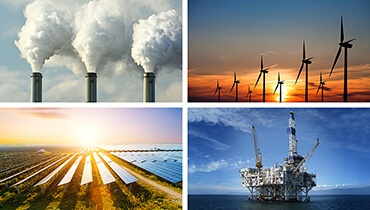 mix of energy sources are used around the world.
Task
You are about to know the type of energy . You are going on long ride with me by knowing the sources of energy. Are you ready to know these sources? As you read , you must keep notes in your journal. Your job is to research and read the sources of energy you meet in the book. Your journal will be documentation of your research.
Process
Sources of energy
Energy sources are categorized as renewable or non-renewable.
- Renewable energy is collected from renewable resources. A source of energy is considered renewable if it comes from natural sources or processes that are constantly replenished. Examples are solar (from the sun), wind, water, geothermal (from the earth) and biomass (from organic materials).
- Non-renewable energy sources don’t replenish, and are formed when prehistoric plants and animals died and were gradually buried by layers of soil rock. The kind of fuel that was created varied depending on the conditions like what kind of organic material (from plants or animals), how long it was buried, at what temperature and under what pressure. Types of non-renewable energy are natural gas, coal and oil.
What are sources of renewable energy?
Renewable energy sources are plentiful, sustainable and kind to the environment. And the great thing is, they'll never run out!
Here's a quick overview of renewable energy sources – you can find out more on our Renewable Energy page.

Wind Energy
- Energy in moving air, harnessed by wind turbines
- Used to produce electricity

Solar Energy
Biomass
Hydropower
- Energy in the force of moving water
- Captured by dams in hydropower plants and converted to electricity
Geothermal Energy
- Energy that comes from heat generated by the Earth
- Used to produce electricity and can provide heat and hot water.
- Energy contained in organic matter
- Used to generate electricity
- Energy that comes from the sun
- Converted into heat, light and electricity
more_vert
Climate Change
Energy
Renewable Energy
Non-Renewable Energy
Sustainability
Sources of Energy
In the Beginning...
In a Flash
A mix of energy sources are used around the world.
Sources of energy
The energy we use to power everything from our homes to schools and workplaces comes from a variety of different sources. These can be broken down into renewable and non-renewable energy sources.
A renewable energy source is any natural resources that can replace itself quickly and dependably. A non-renewable energy source is a source with a finite supply (in other words, it'll eventually run out).
Burning Questions
What are sources of renewable energy?
Renewable energy sources are plentiful, sustainable and kind to the environment. And the great thing is, they'll never run out!
Here's a quick overview of renewable energy sources – you can find out more on our Renewable Energy page.
Wind Energy
- Energy in moving air, harnessed by wind turbines
- Used to produce electricity
Solar Energy
- Energy that comes from the sun
- Converted into heat, light and electricity
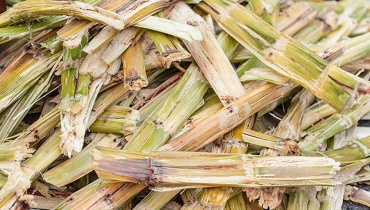
Biomass
- Energy contained in organic matter
- Used to generate electricity
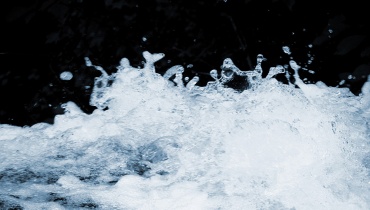
Hydropower
- Energy in the force of moving water
- Captured by dams in hydropower plants and converted to electricity
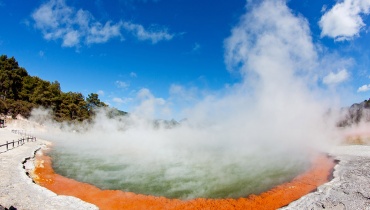
Geothermal Energy
- Energy that comes from heat generated by the Earth
- Used to produce electricity and can provide heat and hot water
What are sources of non-renewable energy?
Non-renewable energy comes from sources that have a limited supply. Most non-renewable energy sources are fossil fuels, which are generally bad news for the environment.
Here are some examples of non-renewable energy sources – check out our Non-Renewable Energy page to learn more.
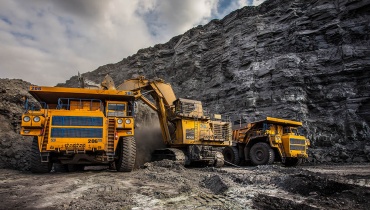
Coal
- Comes from the remains of plants that died hundreds of millions of years ago
- Has the highest level of carbon of all fossil fuels
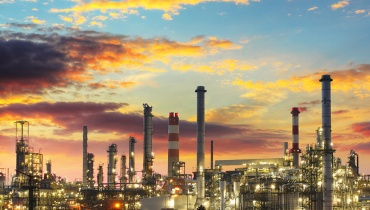
Oil
- Comes from the remains of plants that died hundreds of millions of years ago
- Can be extracted and refined to make gasoline, diesel and jet fuel
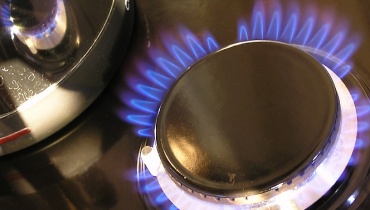
Natural Gas
- Formed from the remains of tiny sea plants and animals that died millions of years ago
-
Mainly composed of methane
-
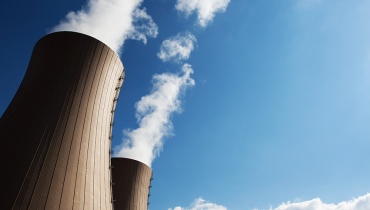
Nuclear Energy
- Energy released when atoms' nuclei are fused together (fusion) or split apart (fission)
- Nuclear power plants produce electricity through nuclear fission
Evaluation

Conclusion
Fun fact!
Did you know that energy can transform from one type to another type? They can also help create each other!
It’s true! When we go for a run we use chemical energy that our body has stored to create movement or kinetic energy. The kinetic energy converts to warmth in you and the road or thermal energy. Your legs are hitting the ground with the influence of gravitational energy. And that’s just one example! Can you think of another?
You did a fantastic job! Regarding energy sources, there is a ton more to discover. There are lots of helpful books in the library. Additionally, you can ask your teacher for more details.
Thank you for a job well done!
Credits
•Alliant Kids - Sources and Types of Energy
https://www.alliantenergykids.com/allaboutenergy/sourcesandtypesofenerg…(from%20the,by%20layers%20of%20soil%20rock.
•Sources of Energy - Knowledge Bank - Solar Schools
Teacher Page
By Cherry Ann C Turtoga
A webquest designed for elementary students.
Teacher Introduction
This lesson was designed for elementary graders who are interested in learning the source of energy. This webquest incorporates research and literature in a fun way for students.