
Introduction
The human body is made up of many parts. The study of these parts is called anatomy. Each part of the body has a specific function, or job. The study of these functions is called physiology.
To learn more about different parts of the body, see the following articles. For the body’s outermost parts, see skin, hair, and nail. For parts of the head, see eye, ear, nose, mouth, tongue, and teeth. For the limbs, see arm and leg, as well as hand, foot, and knee. For the structures that hold up the body and make it move, see bone and muscles. For internal organs, see brain, heart, lung, stomach, kidney, intestines, liver, pancreas, and gland
https://kids.britannica.com/kids/article/human-body/599366
Learning the body parts can help broaden children's learning experience.
Several recent studies have determined that kids are kinesthetic by nature. This means that they learn best through experiences that involve touch and the use of their senses. For example, when children complete a learning activity that includes using parts of the body and their movements, they can more easily understand a topic or concept. This kind of physical movement can also have a positive impact on their intellectual growth. These actions are proven to have beneficial effects on them since movement is an essential factor in intellectual growth.
As soon as they are four to six months old, children start to become aware of themselves. This is a great stage to start introducing body parts vocabulary in their day-to-day life, by creating connections between the words and their bodies. Here you’ll find vocabulary to teach your kids about body parts, and also some games and fun activities to help them get more acquainted with the subject.
https://lingokids.com/english-for-kids/body-parts
Task
- To be able to know the Parts of the body
- To answer activities given
Process

1. Let the children learn about the different parts of the body.
- Head
- Eye
- Nose
- Mouth
- Stomach
- Hand
- Leg
2. Let the children do an activity.
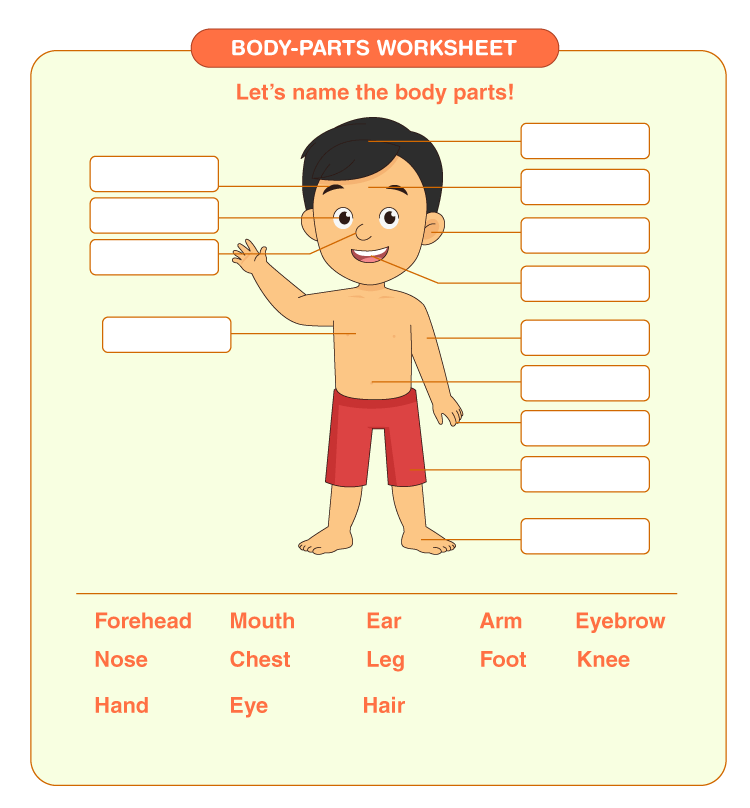
*WORDLIST*
- forehead
- nose
- hand
- mouth
- chest
- eye
- ear
- leg
- hair
- arm
- foot
- eyebrow
- knee
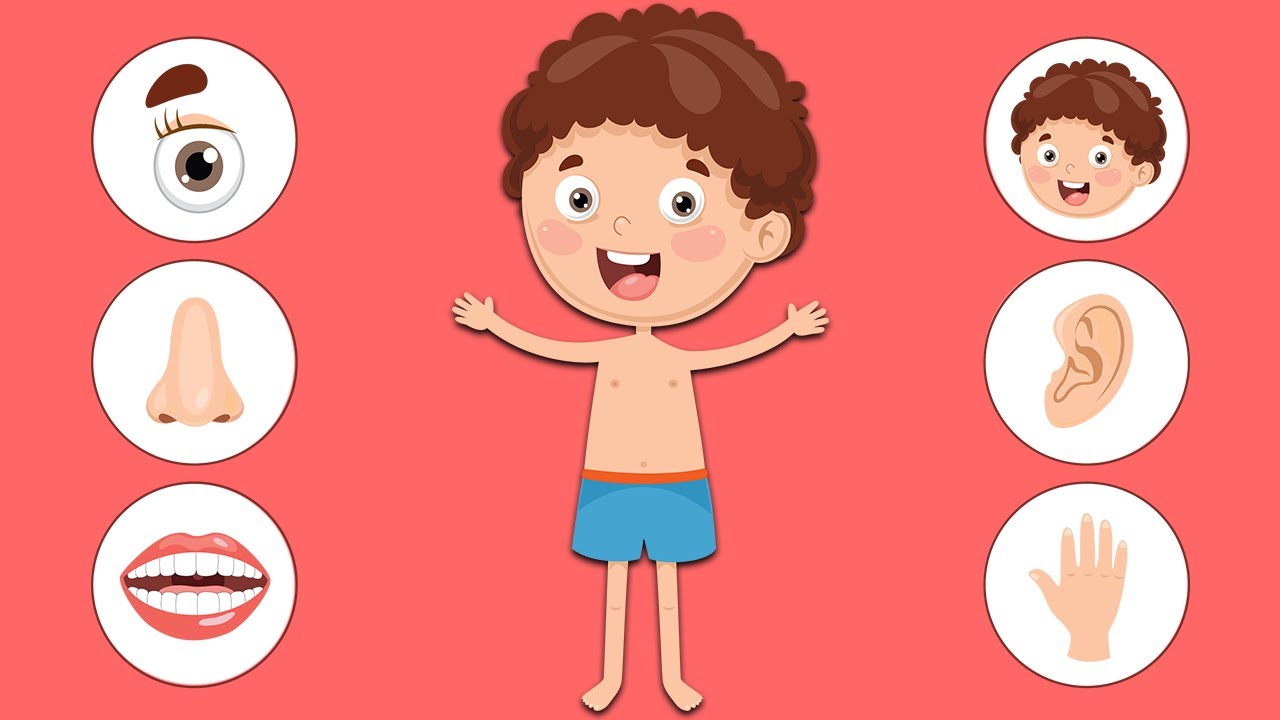
3. Let the children match the appropriate pair of the parts of the body
Evaluation
NAME:__________
DATE:__________
SCORE:________
PARTS OF THE BODY-KIDS LEARNING
|
TOPIC |
EXCELLENT |
GOOD |
|
THE PARTS OF THE BODY |
Students/children knows how to identify all the different parts of the body. |
students/children identify the some only of the parts of the body. |
|
CONTENTS-Introduction/ conclusion |
Knowledgeable of content and includes introduction and conclusion. |
somewhat knowledgeable of content and is missing an introduction or conclusion. |
|
GRAMMAR |
1 or 2 minor mistakes in grammar or spelling. |
3 to 5 mistakes in grammar or spelling. |
Conclusion
Several recent studies have determined that kids are kinesthetic by nature. This means that they learn best through experiences that involve touch and the use of their senses. For example, when children complete a learning activity that includes using parts of the body and their movements, they can more easily understand a topic or concept. This kind of physical movement can also have a positive impact on their intellectual growth. These actions are proven to have beneficial effects on them since movement is an essential factor in intellectual growth.
As soon as they are four to six months old, children start to become aware of themselves. This is a great stage to start introducing body parts vocabulary in their day-to-day life, by creating connections between the words and their bodies. Here you’ll find vocabulary to teach your kids about body parts, and also some games and fun activities to help them get more acquainted with the subject.
Below are links which can be use to enhance/broaden the kids learning about the parts of the body.
https://lingokids.com/english-for-kids/body-parts
https://kids.britannica.com/kids/article/human-body/599366
http://www.youtube.com/user/EnglishSi... Kids vocabulary - Body - parts of body - Learn English for kids - English educational video
CHILDREN/ STUDENTS ARE ABLE TO IDENTIFY AND HELPS THEIR THINKING SKILLS OF THE DIFFERENT PARTS OF THE BODY.
Credits
from the links below helps me to make this WebQuest:
https://lingokids.com/english-for-kids/body-parts
https://kids.britannica.com/kids/article/human-body/599366
AUTHOR BIOGRAPHY
SUKINI RISSLYN A. LUGO- TCP STUDENT BATCH-5, AND I WANT TO TEACH PRE-SCHOOLERS/KINDERGARDEN
PERMISSIONS
We all benefit from being generous to our works. Permission is granted for others to use and modify this WebQuest for educational, non-commercial as long as the original authorship is credited.
Teacher Page
by SUKINI RISSLYN LUGO
Children's will be able to demonstrate their knowledge on the Parts of the Bodies.
TEACHER INTRODUCTION
This lesson was created to spark children's creativity for allowing them to do their activities
and creates their own for them to learn.