
Introduction
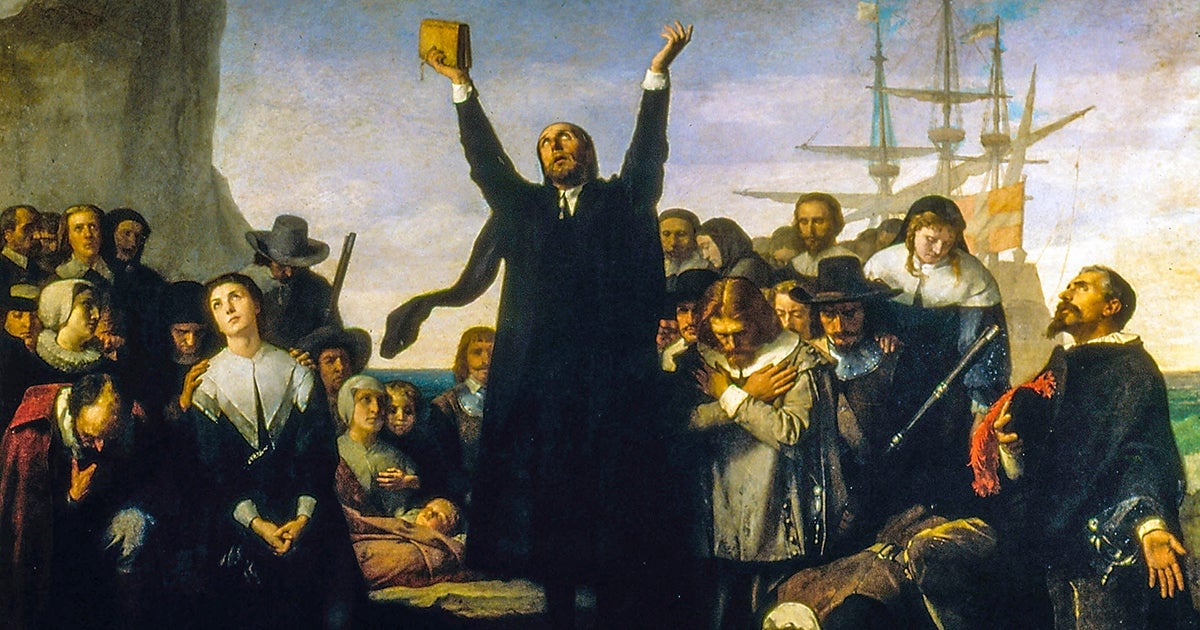
INTRODUCTION:
We will be reading The Crucible by Arthur Miller in our class. It is often important to know the religious and social customs of a period in order to better understand a story's characters. You will do some research on different aspects of Puritan life, which will help you to gain insight into the setting and conflict of The Crucible. This research will also help you see some of the ways this play is still relevant today.
You will have one day to research an assigned aspect of the Puritans. The next day, you will join other students to create a group presentation that you will use to teach the other students in the class.
Task
You will be given a topic to research and questions to answer about that topic. You will spend one class period researching your topic and attempting to answer your questions.
On day two, you will be joined by other students. As a group, you will create a Google slideshow that you will use to teach your topic to the class.
- PURITANS
- ARTHUR MILLER
- SALEM WITCH TRIALS
Requirements:
-
You must answer all of the questions INDIVIDUALLY for your topic and submit them to Mrs. McGee.
-
All members of the group must take an active role in the project. This includes the presentation and the delivery.
-
Presentations should be approximately 2-3 minutes in length.
-
Your presentation will be graded on the following:
-
Content (You answer all the questions and add any other additional information that you think is important.),
-
Organization (Slideshow is organized, neat and coherent),
-
Creativity (Slideshow is interesting and easy to read, pictures are relevant), and
-
Delivery(Students speak clearly and know their content).
-
-
While other groups are presenting, you will be taking notes. Pay very close attention because there will be a quiz!!
-
Your group will also be responsible for submitting 3 questions that can be used on a quiz about your topic.
Reminder: Presentation should be a Google Slideshow and no longer that 2-3 minutes.
Process
TOPIC #1 PURITANS
You will: Investigate and report on the Puritans. In researching your topic, answer the following questions about the Puritans.
-
Who were the Puritans?
-
Why did the Puritans come to the new world?
-
List five values of Puritanism.
-
What is predestination?
-
What were some behaviors and duties for children?
-
What were some common occupations?
-
What were the governing and educating systems like?
-
What did their clothing look like?
-
Include other information about the Puritans.
-
Describe how you think this information is important to the play, The Crucible (predict)
Feel free to research other sites, but this may help you find some information.
TOPIC #2 - Arthur Miller
You will: Investigate and report on ARTHUR MILLER. In researching your topic, answer the following questions about him.
-
How did the Wall Street Crash of 1929 impact Miller's family?
-
What university did he attend?
-
How did he earn money to go to school?
-
When did he start writing?
-
What awards has he won for his works? Be sure to name the two works and all of the awards he won for those works.
-
What famous actress was he married to?
-
What inspired him to write The Crucible?
-
Describe some key events in Miller’s life.
-
What were Miller’s political beliefs (include his communist connections)?
-
Include other pertinent information about Arthur Miller. (Born, Death, Family,Where he was born, etc)
Some sites to help you get started:
- http://www.biography.com/people/arthur-miller-9408335
- http://www.writing.upenn.edu/~afilreis/50s/miller-mccarthyism.html
TOPIC # 3: Salem Witch Trials
You will: Investigate and report on the SALEM WITCH TRIALS. In researching your topic, answer the following questions about THEM.
-
What were some beliefs about witchcraft and witches people held in the past?
-
What were the Salem witchcraft trials?
-
What are some possible explanations for the Salem witchcraft trials?
-
What options did an accused witch have in Salem?
-
How quickly did things get out of hand in Salem?
-
How long did the Salem witchcraft trials go on for?
-
What sort of evidence was used to arrest accused witches?
-
Do "witch hunts" still happen?
-
Can you think of anything else that has happened in this country that would also be considered a "witch hunt"?
Some sites to help you get started:
Evaluation
|
|
Beginning |
Developing | Accomplished |
Exemplary |
|
|---|---|---|---|---|---|
|
Web Quest Questions 25 points |
Not all questions are answered. Complete sentences are not used. | The questions are partially answered, or complete sentences are not utilized. | All of the questions are answered in complete sentences. | All the questions are thoroughly answered in complete sentences. | |
|
Class presentation Content 25 points
|
Few of the questions (3 or less) are addressed in the presentation. | Some of the questions (4-5) are addressed in the presentation. | All of the questions are addressed in the presentation. | All of the questions are thoroughly addressed in the presentation. | |
|
Class Presentation Appeal to Audience 25 points |
Presentation is not engaging. Some content is missing. There are inaccuracies in the content. Not all students participated. |
Presentation includes content, but is not engaging. Some content is inaccurate. Not all students participated. |
Presentation is pleasant. Content is presented clearly with few inaccuracies. Not all students participated. |
Presentation is engaging. Content is presented clearly and accurately. All students participated. |
|
|
Quiz Questions 25 points |
Only one question is submitted, or no questions are submitted. | Three questions that do not address the BIG ideas of the presentation, or only two big idea questions submitted. | Three questions, of which only two address the BIG ideas of the presentation. | Three questions that address the BIG ideas of the presentation. |