
Introduction
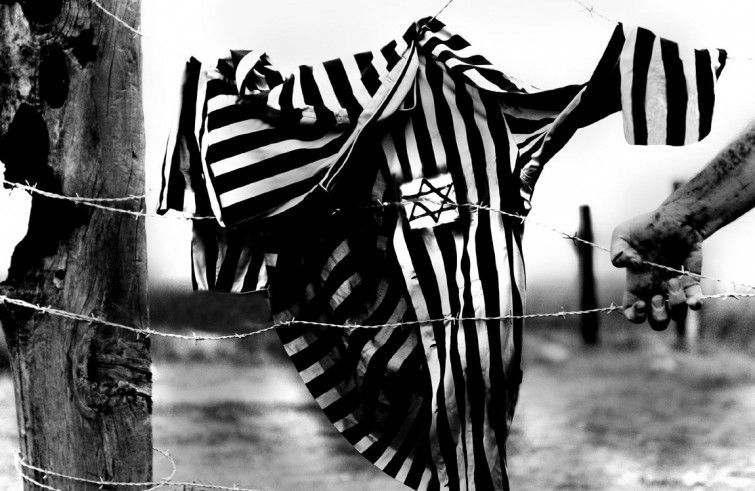
What is the Holocaust? Why did it happen? What can be done to prevent it from happening again?
Through this WebQuest, you will answer those questions and more.
CCSS.ELA-LITERACY.RI.9-10.7
Analyze various accounts of a subject told in different mediums (e.g., a person's life story in both print and multimedia), determining which details are emphasized in each account.
CCSS.ELA-LITERACY.RI.9-10.10
By the end of grade 9, read and comprehend literary nonfiction in the grades 9-10 text complexity band proficiently, with scaffolding as needed at the high end of the range. By the end of grade 10, read and comprehend literary nonfiction at the high end of the grades 9-10 text complexity band independently and proficiently.
CCSS.ELA-LITERACY.RH.9-10.3
Analyze in detail a series of events described in a text; determine whether earlier events caused later ones or simply preceded them.
Task
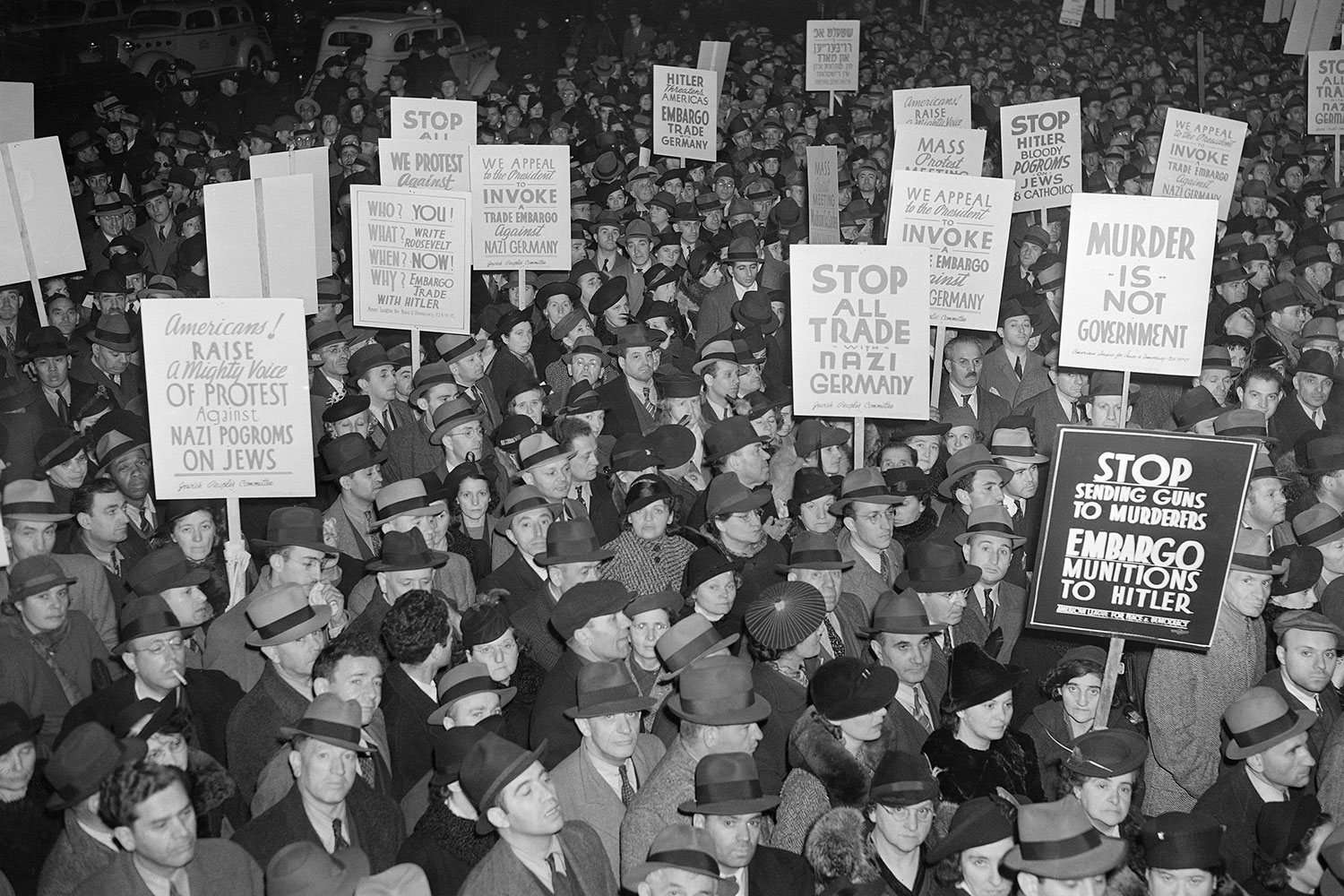
What was the Holocaust?
Why did the Holocaust happen?
What is genocide?
After the Holocaust, has genocide happened again?
How can we prevent genocide?
When this WebQuest and tasks are completed, you will have created a number of artifacts and written responses that answer these important questions about the Holocaust.
Process
1. What was the Holocaust?
Go to Encyclopedia Britannica. You will need to log-in with our school's credentials. Choose the complexity level you'd like (elementary, middle, or high) and search "the Holocaust." Use that article to write a one-paragraph response. Be sure to answer the questions of who? what? where? and when?
2. Why did the Holocaust happen?
Use this Word document to record the effects of different events which lead to WWII and the Holocaust. When you open the document, click "edit in Word" to save a copy for yourself and fill it it. Use this video, Did WWI Lead to WWII? and this article, The Holocaust to fill in the chart.
3. What is genocide?
Write a one-paragraph explanation of the origin of the word genocide and what it means. Use this website to help you.
4. After the Holocaust, has genocide happened again?
Create a timeline that illustrates other acts of genocide. Use this website to help you.
5. How can we prevent genocide?
Create a handout on an 8.5 x 11-inch sheet of paper (hand or computer made) with the steps and descriptions of how to prevent genocide. Use this website to help you.
Evaluation
One-paragraph response: 10 points
- Paragraph includes important details about the Holocaust that answers who? what? where? and when? (8 points)
- Paragraph is edited and uses correct grammar/conventions (2 points)
Cause and Effect Chart: 18 points
- An accurate "effect" is recorded for each of the 9 "causes": ____ / 18
One-paragraph explanation: 10 points
- Paragraph includes a description of the origin of the word "genocide" (4 points)
- Paragraph defines what genocide is (4 points)
- Paragraph is edited and uses correct grammar/conventions (2 points)
Timeline: 12 points
- Timeline follows a correct format- events in order, years labeled, etc. (4 points)
- Timeline includes at least 4 events of genocide and a short description (8 points)
Handout: 10 points
- Handout lists all three steps to prevent genocide (3 points)
- Handout briefly describes each step (3 points)
- Handout is neat, colorful, and free of errors (4 points)
WebQuest TOTAL: 60 points
Conclusion

Out of all the questions you answered in this WebQuest, the last one is the most important. How can we prevent genocide? We learn about the Holocaust and genocide so we are equipped to identify its warning signs and stop it from happening again.