
Introduction
Hello students, today you will go on a field trip all over the world!
We will look at plants, animals, and environments from all over the world, whether it be a desert, ice cap, rain forest, or grassland.
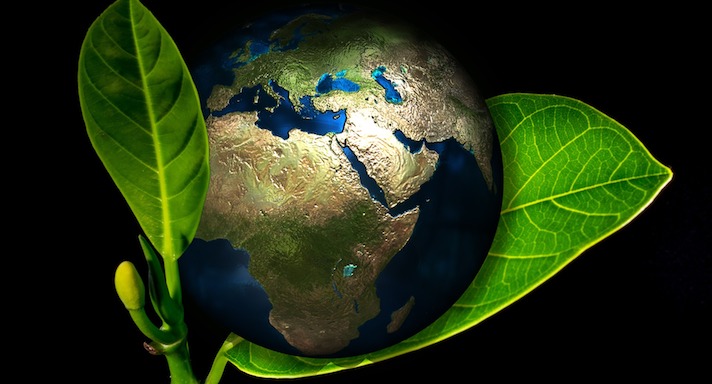
Task
Students will analyze how populations interact with others and how each environment effects life within it.
These interactions could be examples of predation, mutualism, commensalism, or parasitism.
Process
Students will use support resources to find examples of ecology. Students will then write down examples of these factors with a small description of how these effects make a difference in the environment. These could include any of the four previously stated effects: predation, mutualism, commensalism, and parasitism, or environmental factors.
You can find many examples in the following resources:
https://www.britannica.com/plant/plant/Ecology
Evaluation
| 0 points | 3 points | 5 points | Total | |
|---|---|---|---|---|
| Examples | Student gives 4 or less examples of ecology interactions between plants, animals, or the environment. | Student gives 5-9 examples of ecology interactions between plants, animals, or the environment. | Student gives 10 or more examples of ecology interactions between plants, animals, or the environment. | /5 |
| Descriptions |
Student has no description of any environmental factors on life. |
Student gives a description of environmental effects on life, however some thoughts may be incomplete or unclear. | Student gives a clear, effective description of environmental factors on life within the environment. | /5 |
| Importance | Student does not include the importance of the examples of interactions they list. | Student includes importance of the ecology interactions on most of the examples of interactions they list. | Student includes the importance on ALL ecology interactions they listed as examples. | /5 |
| /15 |
Credits
Khan Academy
National Geographic
Britannica
Teacher Page
The objective of this webquest is to inform the students of interactions of plants, animals, and their physical surroundings within the environment, also known as ecology. Through the links provided, students will analyze these interactions and will be asked to provide examples and describe what happens and why they are important.