
Introduction
Welcome to the world of Fauna. We can observe that the ecosystem is composed of different animals with different characteristics and way of living. Animals fall into different phylums such as Porifera, Echinodermata, Cnidaria, Annelida, Nematoda, Chordata, Arthropoda, Platyhelminthes and Mollusca.
Phylum Porifera - The Sponges:

Phylum Echinodermata – The Echinoderms: sea stars, sea urchins

Phylum Coelenterata/Cnidaria – The Coelenterates: jellyfish, hydras, corals

Phylum Annelida – The Segmented Worms: earthworm, leech, sandworm

Phylum Nematoda – The Roundworms

Phylum Chordata – The Chordates: fish, reptiles, amphibians, birds, mammals

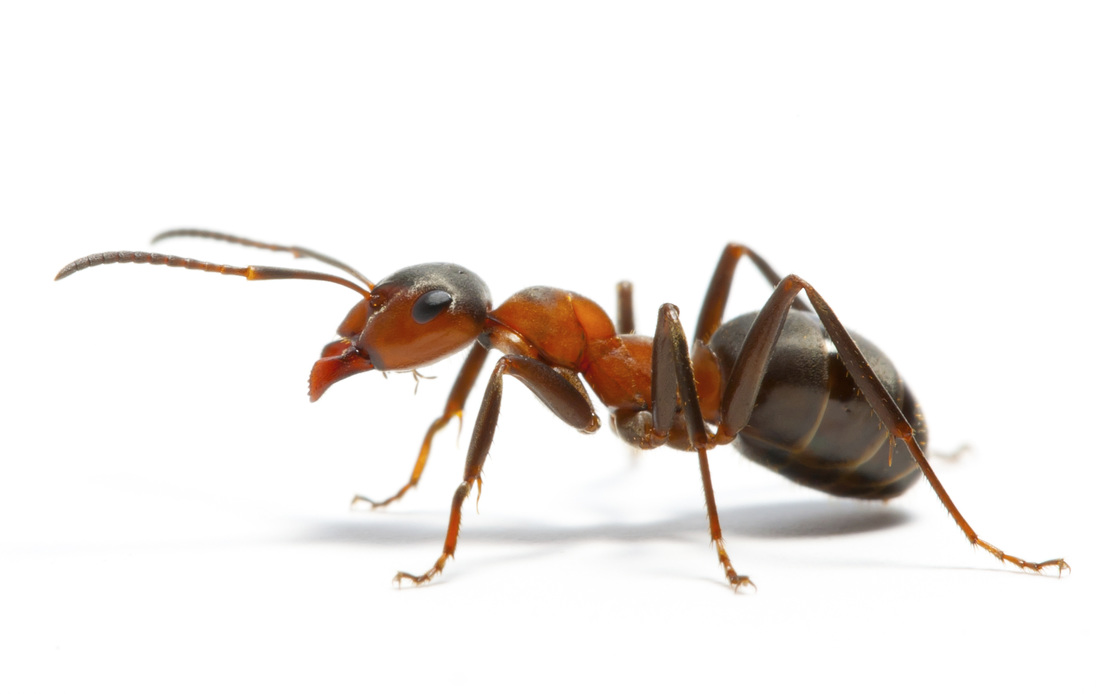
Phylum Arthropoda – The Arthropods: insects, spiders, crustaceans
Phylum Platyhelminthes – The Flatworms: planaria, tapeworms

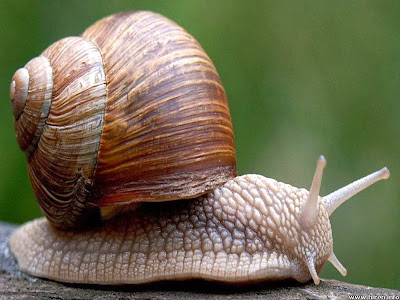
. Phylum Mollusca – The Mollusks: clams, snails, oysters, octopus
Lets find out more about how organisms are classified or grouped.
Objectives:
1. Determine the characteristics, features and way of living of organisms in each group.
2. Identify organisms that belong in each group.
3. Give the importance of the classification of animals.
Task
Research on the nine Phylum of Animal Classification. Then identify the following:
1. Characteristics of each animal in each Phylum.
2. Distinct features that make them different from the others.
You will make a diagram showing all the characteristics and distinct features of animals that belong to each phylum.
Process
Step 1.) Research the different Phylum of animals and identify examples of organisms that belong to each.
Step 2.) Give the distinct characteristic and features that you observe in each Phylum.
Step 3.) Fill up the diagram showing the characteristics of each Phylum.
Evaluation
|
DIAGRAM ILLUSTRATION
|
|||
|
1 |
2 |
3 |
4 |
|
Diagram is Poorly conducted. |
Diagram shows some effort. |
Diagram is satisfactory |
Diagram shows an effort was put into it. |
|
COMPARISON
|
|||
|
1 |
2 |
3 |
4 |
|
Showed that there are no complete characteristics identified. |
Showed some knowledge about animal groups. |
Showed animal groups were researched well. |
Showed that animal groups were thoroughly understood and thoroughly researched. |
Conclusion
In conclusion, there are many different groups of animals. All of the Phylum of animals have different qualities but are all equally interesting and important to our ecosystem. They play a large role for the balance of ecosystem. Moreover, these classifications helps us to view an organized taxonomy for animals. For scientists, these will help them to identify species in their experiments. It also allows us to create evolutionary histories for seeing how different groups of organisms are related.

Credits
Teacher Page
Mabel Grace V. Bitayan