
Introduction
Oh No!
Look at These Poor Animals
Being Harmed by Our Pollution!


Many things affect our marine life, and pollution should never be one of them.
Did you know that...
Ocean pollution affects 817 animal species around the world and...
YOU

can do something about it!
In this webquest we need some really resourceful students to help us find out ways that we can help prevent pollution from harming our marine life.
Task
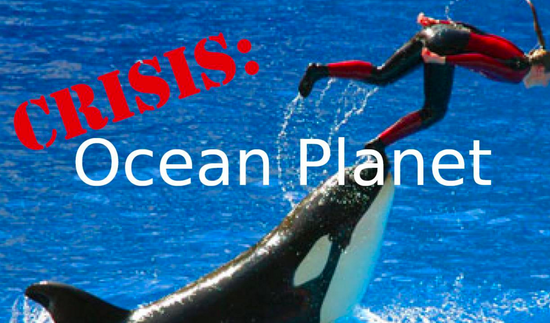
According to research the oceans all over the world have numerous dead animals for example: turtles, whales, seals, etc. have been found on shore. These poor animals have encountered disposables in our oceans and have mistaken it for food! These ocean animals have been dying rapidly and we must act fast before they become extinct.



You and your partner will research what is being affected by this ocean pollution, how they are being affected, and ways that we can stop them from being harmed.
Each group will need to answer questions over the oceans pollution. You must record your information.
Each person will get a worksheet. The worksheet will have specific questions that you will need to answer. As you are researching your information you will need to record your answers on your worksheet.
Once all information is recorded on your worksheet, you will be ready to start your journey with ocean pollution!!

Process
In teams of two you will search to find the answers to the following questions...
1. What is the most common pollution element found in the ocean today?
https://www.rubiconglobal.com/blog-ocean-pollution-facts/
2. What percent of trash in the ocean is from land-based sources?
https://www.rubiconglobal.com/blog-ocean-pollution-facts/
3. Does pollution affect microorganisms too?
http://wwf.panda.org/about_our_earth/blue_planet/problems/pollution/
4. What are three things that you can do to reduce pollution so that it doesn't end up in our oceans?
https://www.rubiconglobal.com/blog-ocean-pollution-facts/

5. What are five types of pollution that end up in the ocean?
https://www.rubiconglobal.com/blog-ocean-pollution-facts/
6. What physical effects does pollution have on the marine life?
https://www.rubiconglobal.com/blog-ocean-pollution-facts/
7. What island is the largest oceanic garbage site in the world?
https://www.rubiconglobal.com/blog-ocean-pollution-facts/

8. How many seabirds die each year because of ocean pollution?
https://www.rubiconglobal.com/blog-ocean-pollution-facts/
9. What is a dead zone?
https://oceanservice.noaa.gov/facts/deadzone.html
10. What is the most interesting thing you learned while researching ocean pollution?
Evaluation
The Students will be graded on how well they navigated and participated in the Web quest. Below is the criteria that they need to meet.
| Criteria | 25% | 50% | 75% | 100% |
| Grammar & Spelling |
Many errors in both areas and lack of effort is apparent.
|
The student shows effort and has complete sentences, however there are still many errors. |
The student has complete sentences and uses vocabulary well, but still has a couple errors. | The grammar and spelling is well done and use of vocabulary is exceptional. |
| Work Sheet |
Student only answered a couple questions. |
Student only answered half of the questions or didn't answer more than half correctly. | Student answered almost all the questions correctly. | Student answers all the questions correctly and thorough. |
| Knowledge of Subject | The student didn't navigate through the videos or show any much interest in the assignment. | The student wasn't thorough and and left out some information. | Student showed that they learned most of what was taught, however they lacked a little information. | The student excelled in learning as much as possible through paying attention to the details of the assignment. |
| Group Assessment | Very little effort was put into helping out with the assignment. | Participated some with partner, but relied on the other member to get assignment done. | Student helped with assignment and did well, however the project could of been better. | The student worked excellent with partner and turned in an excellent assignment. |
Conclusion
CONCLUSION

"We can do this, we must do this, and we will do this" - Boyan Slat, speaking on ocean plastic clean up.
After this Webquest we hope all students have learned HOW to avoid plastic pollution to our oceans and are aware of the consequences of such. However, if that has not yet gotten our message across to you, we encourage you to watch the video below.
- THANK YOU :)
Credits
Introduction Credits:
Animals Pictures: http://www.onegreenplanet.org/animalsandnature/marine-animals-are-dying-because-of-our-plastic-trash/
Finger Pointing: https://www.netpicks.com/are-you-seriously-dedicated-to-trading/
Ocean Pollution Fact: https://www.rubiconglobal.com/blog-ocean-pollution-facts/
Task Credits:
Crisis: Ocean Planet: https://www.bing.com/images/search?q=Crisis%3A%20Ocean%20Planet&qs=n&form=QBIR&sp=-1&pq=crisis%3A%20ocean%20planet&sc=8-0&sk=&cvid=3B910191E3364088A3A8F969133872C9
First Paragraph: http://www.softschools.com/facts/holidays/ocean_pollution_facts/1303/
Next 3 animal pictures: https://www.bing.com/images/search?q=ocean+pollution&FORM=HDRSC2

Group of students working together: https://www.bing.com/images/search?q=students+working+together+clip+art&FORM=HDRSC2
Good luck picture: https://www.bing.com/images/search?q=goodluck+clip+art&qs=n&form=QBIR&sp=-1&pq=goodluck+clip+art&sc=4-17&sk=&cvid=EFF7419BCBBD438D8B588681170AAE15
Process Credits:
Kids Holding Hands Image: https://www.dreamstime.com/stock-images-two-kids-holding-hands-image25354334
Trash on Beach Image: http://www.noaa.gov/resource-collections/ocean-pollution
Reduce Reuse Recycle Logo: http://www.recycling.com/downloads/recycling-symbol/
Questions 1,2,4-8: https://www.rubiconglobal.com/blog-ocean-pollution-facts/
Question 3: http://wwf.panda.org/about_our_earth/blue_planet/problems/pollution/
Question 9:https://oceanservice.noaa.gov/facts/deadzone.html
Conclusion Credits:
"Clean Seas Please" picture: https://www.coastkeeper.org/kids-ocean-day-2011/
Ted Talk Video: youtu.be/zJiQt9ASSNg